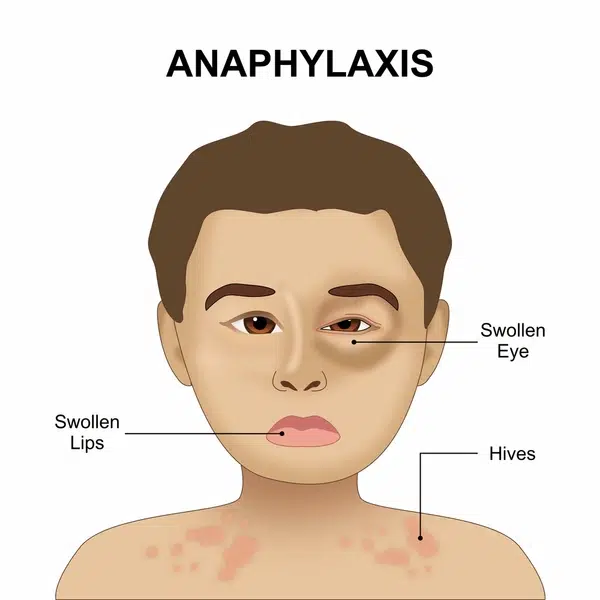
Anaphylaxis is a rapid, severe allergic reaction that can escalate into a life-threatening emergency within minutes. Acting quickly—especially by administering adrenaline with an EpiPen® or Anapen®—can save a life. In South Australia, where food allergies, insect stings, and asthma are common, understanding anaphylaxis first aid is a critical skill for families, educators, carers, and workplaces.
Build the confidence to respond decisively in an emergency — enrol in nationally recognised first aid training with First Aid Pro Adelaide.

Key Takeaways
- Anaphylaxis is a medical emergency that can become fatal very quickly without prompt adrenaline treatment.
- Common Australian triggers include food allergies (such as peanuts, shellfish, eggs), insect stings, medications, and latex.
- Early recognition of symptoms — including breathing difficulty, throat swelling, hives, low blood pressure, or collapse — is vital.
- Five clear anaphylaxis first aid steps can save lives: call 000, position correctly, give adrenaline, monitor breathing/CPR, and repeat adrenaline if required.
- ASCIA Action Plans provide clear guidance for individuals with known allergies in schools, workplaces, and the community.
- Workplace first aid training strengthens WHS compliance and improves emergency response capability.
- EpiPen® and Anapen® are the two adrenaline autoinjectors available in Australia and are PBS subsidised with prescription.
Understanding Anaphylaxis: A Severe Allergic Emergency
Anaphylaxis occurs when the immune system reacts aggressively to an allergen, triggering a widespread and dangerous response throughout the body. Unlike mild allergic reactions, anaphylaxis affects multiple systems at once — particularly the airways and cardiovascular system — and can progress rapidly.
According to the Australasian Society of Clinical Immunology and Allergy (ASCIA), anaphylaxis must always be treated as a medical emergency requiring immediate adrenaline administration.

Common Causes of Anaphylaxis
Trigger Type | Examples |
Food allergies | Peanuts, tree nuts, shellfish, eggs, milk |
Insect stings | Bees, wasps, ants |
Medications | Antibiotics, NSAIDs, anaesthetic agents |
Latex | Gloves, balloons, medical equipment |
Exercise-induced | Often linked with food allergies |
People with both asthma and allergies are at higher risk and should always have an up-to-date ASCIA Action Plan and access to adrenaline.
What Happens in the Body During Anaphylaxis
During an anaphylactic reaction, the immune system releases large amounts of chemicals such as histamine. This causes widespread inflammation, leading to airway swelling, breathing difficulty, rapid heartbeat, and a dangerous drop in blood pressure.
Without fast intervention, oxygen delivery to vital organs is compromised, increasing the risk of collapse, cardiac arrest, or death.
Why Timing Matters in Anaphylaxis First Aid
Every minute counts when anaphylaxis occurs. Symptoms can worsen quickly, and delays in treatment significantly increase risk. Adrenaline delivered via an autoinjector is the only first-line treatment proven to reverse the reaction effectively.
Aspect | Description | Why It Matters |
Physiological response | System-wide inflammation | Causes airway narrowing and shock |
Speed of onset | Rapid escalation | Immediate action is critical |
Treatment | Adrenaline autoinjector | Reverses life-threatening effects |
Recognising the Warning Signs of Anaphylaxis
Knowing what to look for enables faster and more effective first aid.
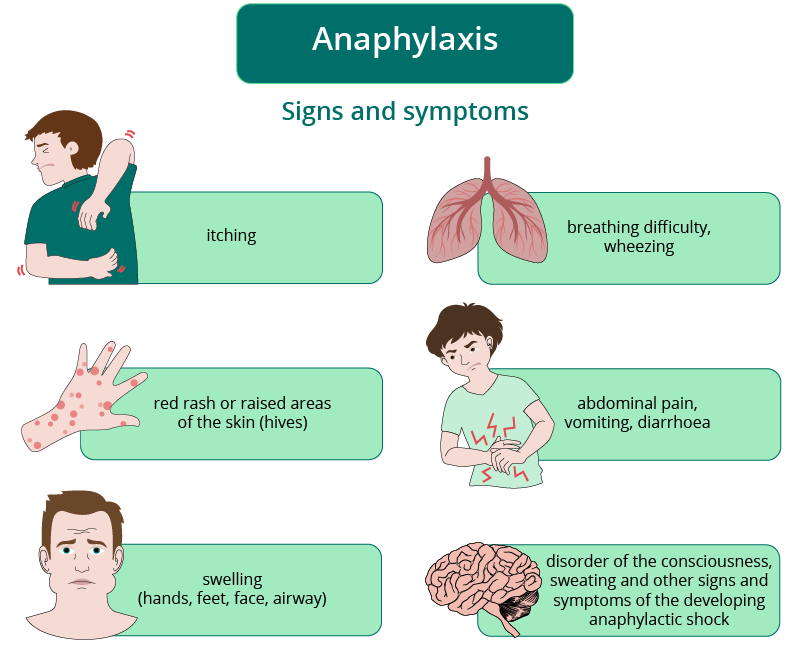
Skin Symptoms
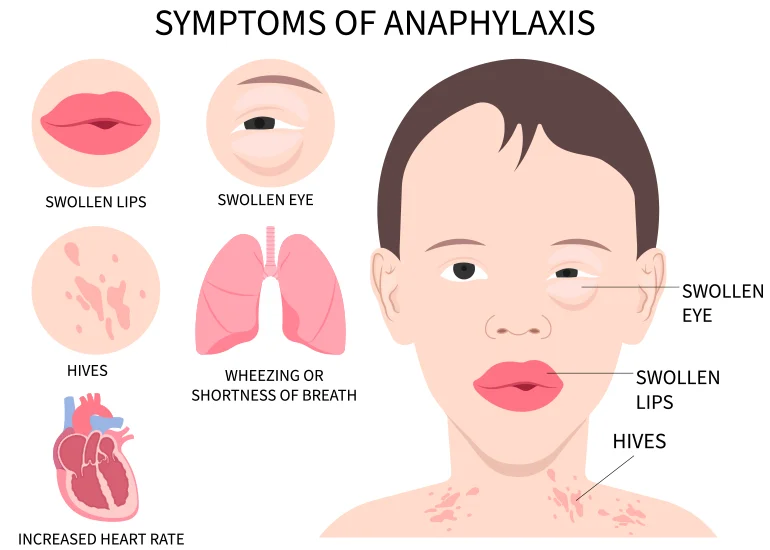
Hives, redness, itching, or swelling of the face, lips, tongue, or throat are often early indicators.
Breathing Difficulties
Shortness of breath, wheezing, coughing, or noisy breathing signal dangerous airway involvement.
Cardiovascular Symptoms
A sudden drop in blood pressure may cause dizziness, fainting, or collapse. Pulse may become rapid or weak.
Gastrointestinal Symptoms
Nausea, vomiting, abdominal pain, or diarrhoea may accompany other symptoms.
Common Symptoms of Anaphylaxis at a Glance
Use this as a fast reference. If you suspect anaphylaxis, treat it as a medical emergency.
Difficulty breathing
Swelling of lips, tongue, or throat
Hives or widespread skin reaction
Pale or flushed skin
Weak or rapid pulse
Nausea or vomiting
Sudden collapse or unconsciousness
Important: Skin symptoms may be absent. Any combination of breathing or circulation issues should be treated as anaphylaxis.
5 Life-Saving Anaphylaxis First Aid Steps
1. Call Triple Zero (000)
Call for an ambulance immediately at the first suspicion of anaphylaxis.
2. Position the Person Correctly
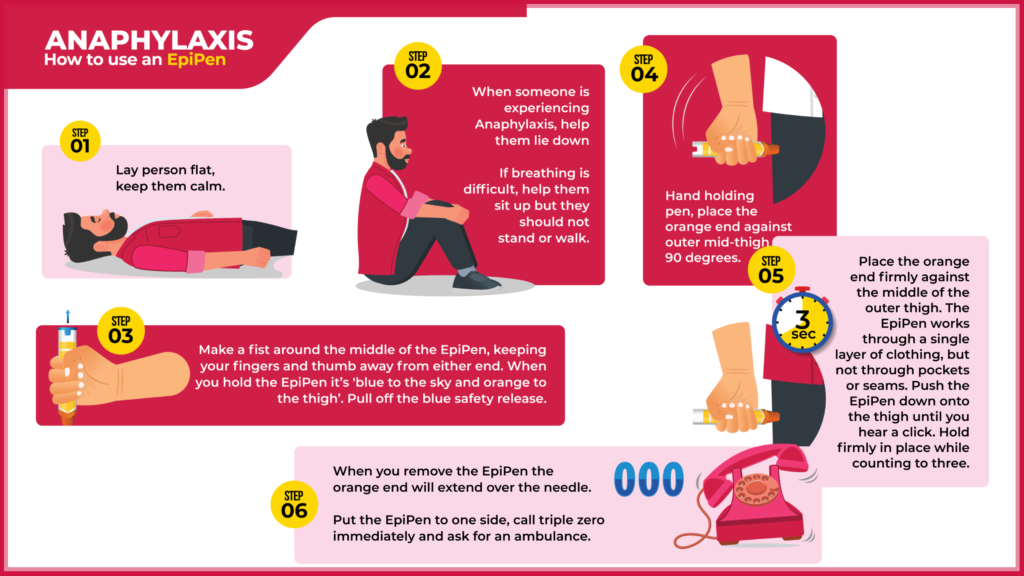
- Lay the person flat and keep them still
- If breathing is difficult, allow them to sit with legs extended
- Do not let them stand or walk
- Place unconscious or pregnant individuals on their side
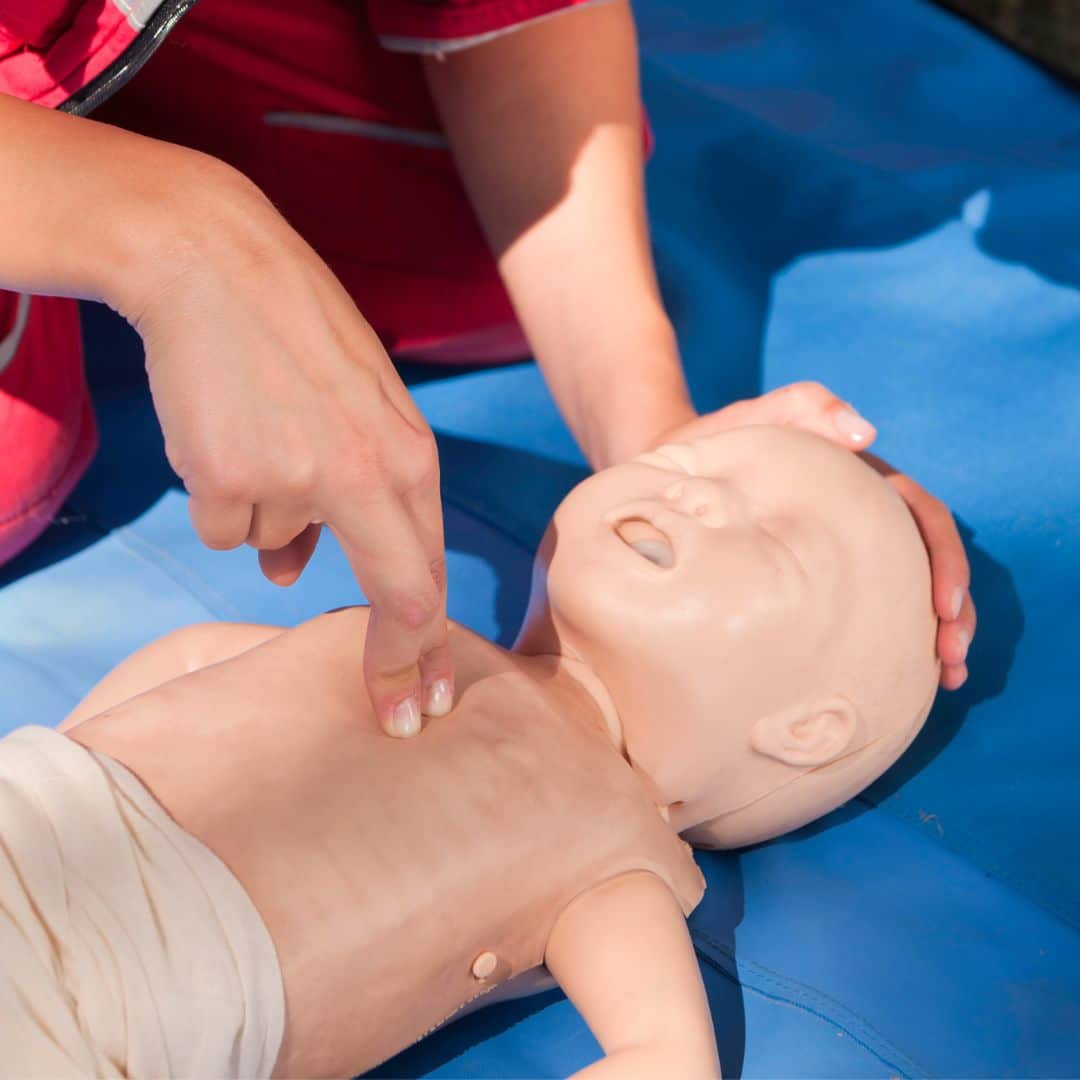
- Hold infants and young children flat, not upright
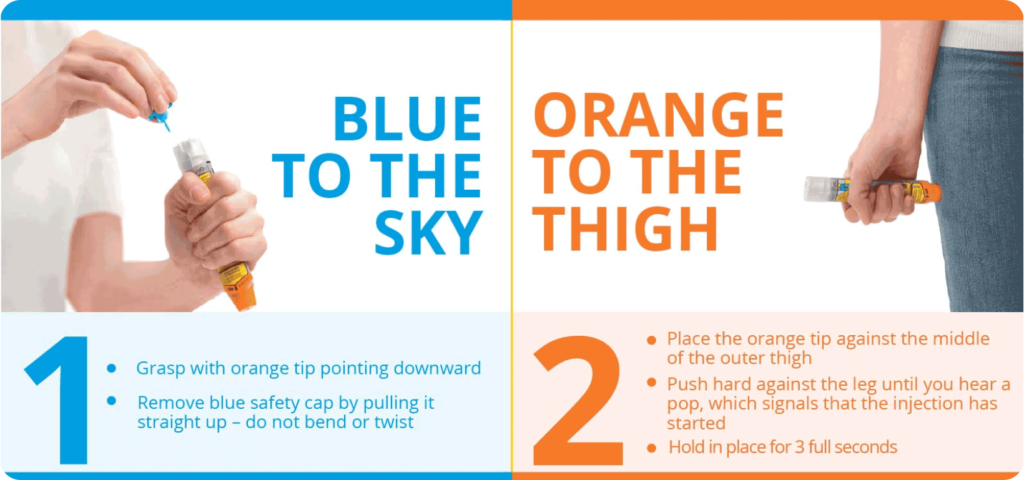
3. Give Adrenaline Using an EpiPen® or Anapen®
Adrenaline should be administered without delay.
Step | Action |
Check device | Confirm adrenaline autoinjector |
Remove safety cap | “Blue to the sky, orange to the thigh” |
Inject | Outer mid-thigh at 90° angle |
Hold | In place for 3 seconds |
Massage | Injection site for 10 seconds |
If in doubt — give adrenaline. Delayed treatment increases fatal risk.
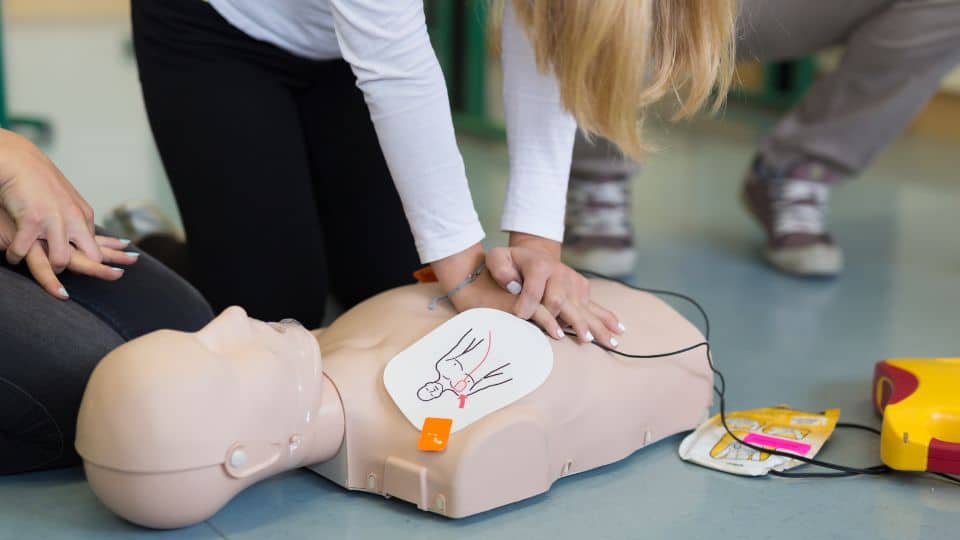
4. Monitor Breathing and Start CPR if Needed
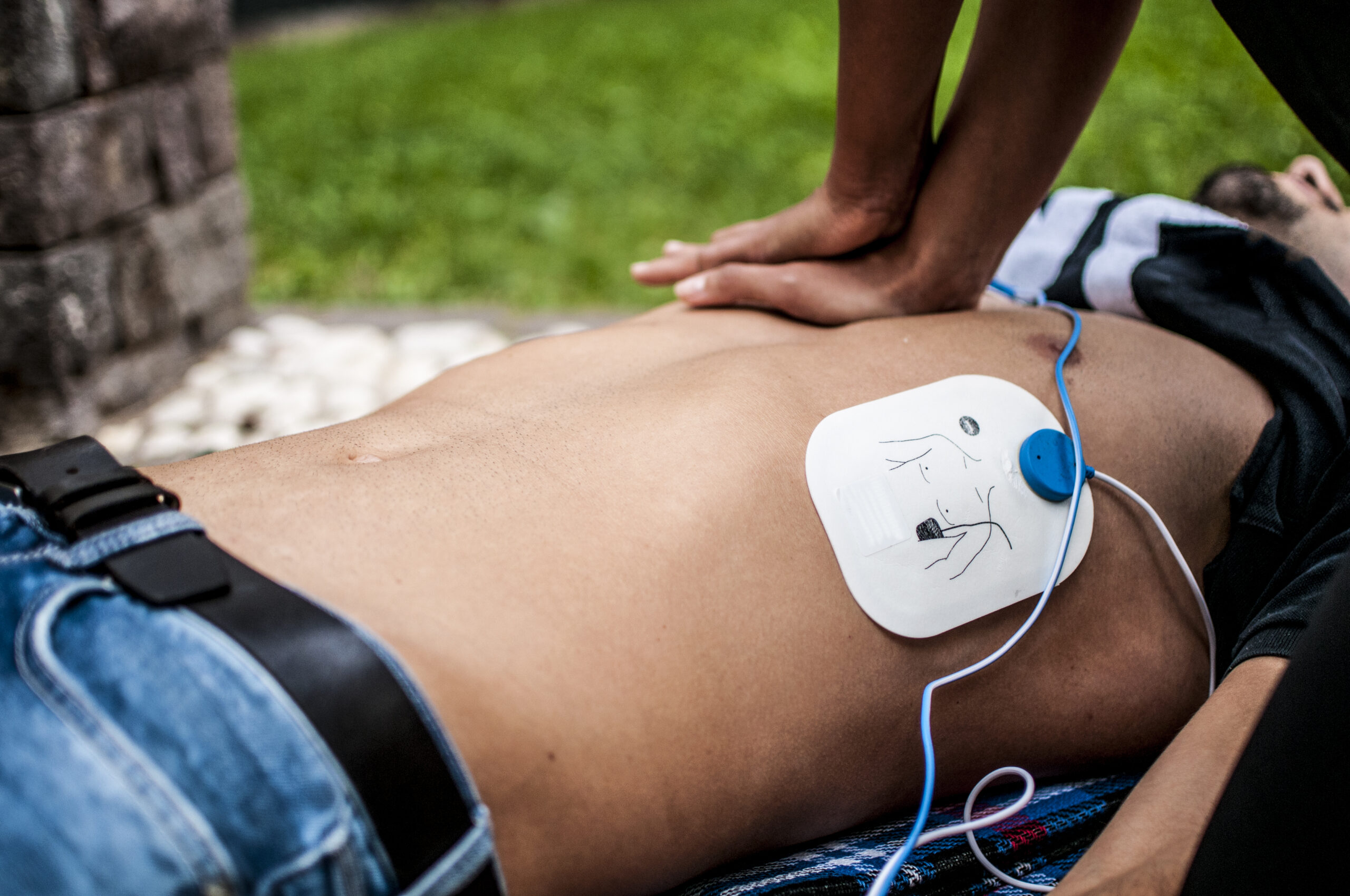
If the person becomes unresponsive and is not breathing normally, begin CPR following the DRSABCD action plan until help arrives.
5. Give a Second Dose After 5–10 Minutes if Needed
If symptoms persist or return, administer another autoinjector. This is safe and recommended by ASCIA.
Why Hospital Care Is Always Required After an EpiPen®
Even if symptoms improve, hospital monitoring is essential. A biphasic reaction — where symptoms return hours later — can occur. Medical professionals will observe and manage ongoing risk.
ASCIA Action Plans: A Critical Safety Tool
Australian Society of Clinical Immunology and Allergy Action Plans provide clear, visual instructions for managing allergic emergencies. They are essential in schools, childcare services, workplaces, and community settings.
An ASCIA Action Plan outlines:
- How to recognise mild vs severe symptoms
- When and how to give adrenaline
- When to call emergency services
📄 Templates available from: https://www.allergy.org.au/hp/ascia-plans-action-and-treatment
Why Anaphylaxis First Aid Training Matters in Adelaide Workplaces
South Australian employers have a duty of care under WHS legislation to manage medical risks, including severe allergic reactions.
Benefits of workplace training include:
- Faster emergency response
- Increased staff confidence
- Stronger WHS compliance
- Improved safety in high-risk settings such as childcare, hospitality, and healthcare
Protect your workplace — book group first aid training with First Aid Pro Adelaide.
Adrenaline Autoinjectors Available in Australia
Brand | Devices | Prescription | PBS |
EpiPen® | EpiPen (0.3mg), EpiPen Jr (0.15mg) | Yes | Yes |
Anapen® | 150, 300, 500 | Yes | Yes |
Store autoinjectors at room temperature and replace before expiry.
Be Ready to Act: Anaphylaxis First Aid Saves Lives
Anaphylaxis can strike without warning. Knowing the signs and responding quickly with adrenaline can prevent tragedy. With nationally recognised training, you gain the confidence and skills to protect others when it matters most.
Don’t wait for an emergency — enrol in certified first aid training with First Aid Pro Adelaide today.
References
- Australian Resuscitation Council – Anaphylaxis Guidelines
- healthdirect: Anaphyaxis
- Pharmaceutical Benefits Scheme (PBS): www.pbs.gov.au
- Australasian Society of Clinical Immunology and Allergy (ASCIA)
- Better Health Channel: Anaphylaxis
Frequently Asked Questions
What is the difference between an allergic reaction and anaphylaxis?
Mild allergic reactions may cause local symptoms, while anaphylaxis involves breathing or circulation problems and requires immediate anaphylaxis first aid with adrenaline.
Can I use an EpiPen on someone else?
Yes. In Australia, anyone may administer an EpiPen in an emergency when acting in good faith.
Can an EpiPen be reused?
No. Each autoinjector is single-use only. Always carry a spare if prescribed.
How do I get an EpiPen in South Australia?
A GP or allergy specialist can prescribe one, and it may be subsidised through the PBS.
Are adrenaline side effects dangerous?
Temporary effects such as shaking or increased heart rate may occur, but adrenaline is far safer than untreated anaphylaxis.