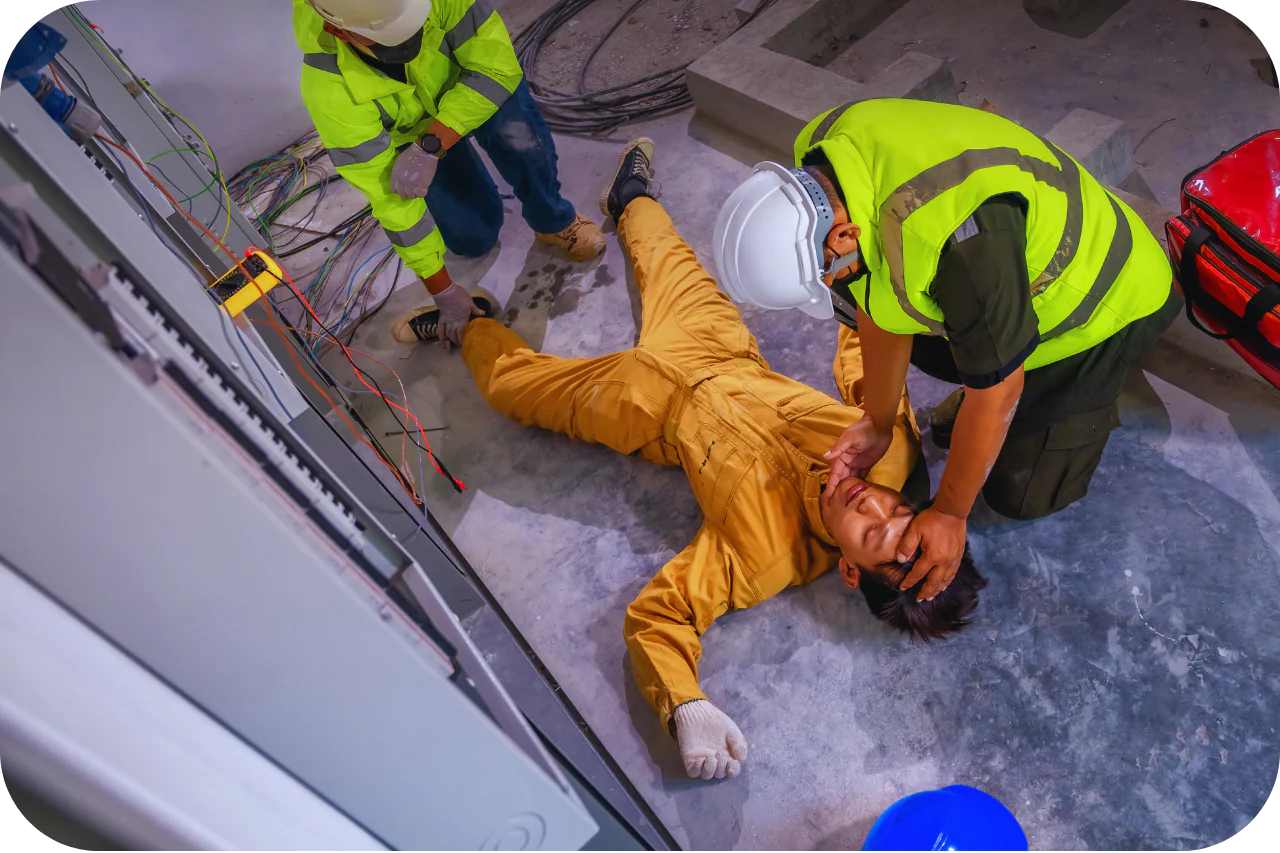
First aid room requirements in South Australia outline the facilities, equipment, and trained personnel an Adelaide workplace must supply to manage injuries and illnesses quickly and effectively. These obligations come from the First Aid in the Workplace – Code of Practice, adopted under SA’s WHS framework, and ensure employers can provide immediate care, reduce harm, and comply with their legal responsibilities.
→ Equip your staff with nationally recognised skills. Enrol your team in one of First Aid Pro Adelaide’s accredited first aid courses today.
Key Takeaways
- Every workplace in South Australia must supply suitable first aid equipment, trained first aiders, and appropriate facilities based on a WHS first aid risk assessment.
- Higher-risk sites across Adelaide and regional SA may require dedicated first aid rooms, eyewash facilities, spill equipment, and more trained first aid officers.
- Fast access to first aid treatment is essential; well-positioned first aid kits and AEDs significantly reduce the severity of workplace incidents.
- SA’s remote and regional industries—mining, agriculture, transport, and energy—need enhanced first aid arrangements due to extended emergency response times.
- Regular inspections, restocking, and documentation are critical for meeting WHS compliance obligations.
Understanding South Australian First Aid Room Requirements
What Safe Work Australia & SafeWork SA Expect
In South Australia, the First Aid in the Workplace – Code of Practice (adopted by SafeWork SA) outlines how businesses must meet their WHS duties. The Code explains the minimum facilities and equipment needed based on:
- the type of work undertaken
- workplace hazards and injury trends
- number of workers and public visitors
- workplace size, layout, and location
- whether the site is categorised as higher risk
This risk-based approach helps Adelaide employers determine what level of first aid capability, equipment and whether a first aid room is required.
When an Adelaide Workplace Should Provide a First Aid Room
Core Requirements
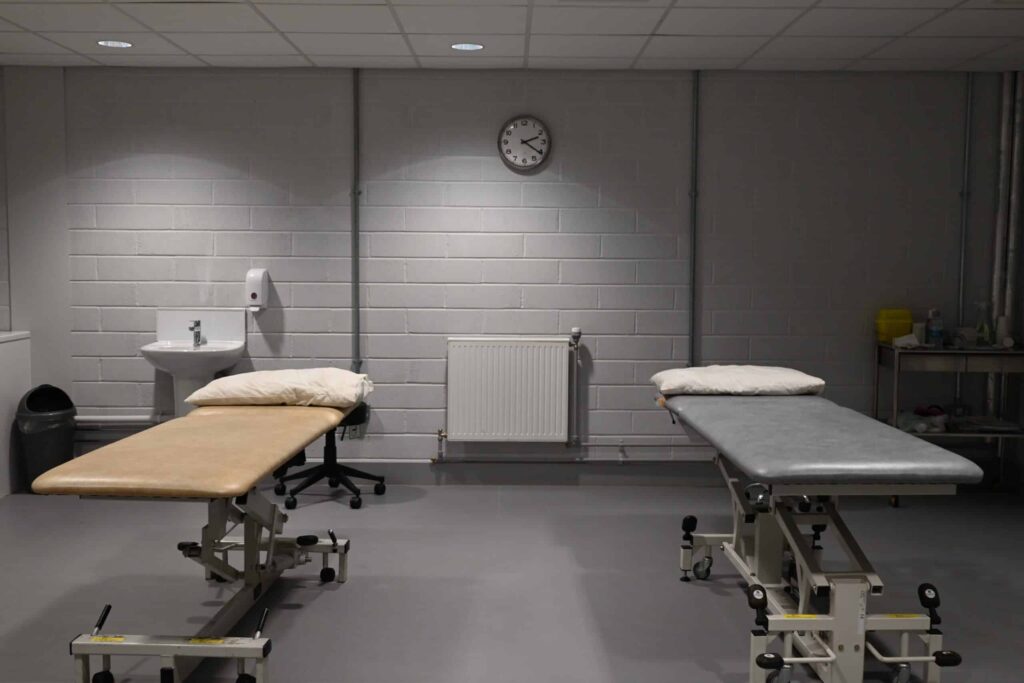
A dedicated first aid room is recommended when:
- A low-risk workplace has 200 or more workers.
- A high-risk workplace has 100 or more workers.
- A risk assessment indicates a first aid room is needed — for example, where serious injuries are reasonably foreseeable.
Why High-Risk SA Industries Often Need a First Aid Room
In higher-risk sectors such as manufacturing, food processing, chemical handling, distribution centres, workshops, and mining, a risk assessment will often show that a dedicated first aid room is reasonably required, even with smaller workforce sizes.
Common High-Risk Sectors in South Australia
- Manufacturing hubs (Wingfield, Lonsdale, Elizabeth)
- Food processing facilities (Murray Bridge, Port Lincoln)
- Chemical handling sites
- Distribution centres
- Workshops, fabrication, and engineering sites
- Regional mining operations (Olympic Dam, Prominent Hill, Whyalla)

How a WHS First Aid Risk Assessment Determines SA Workplace Requirements
What Your First Aid Risk Assessment Must Cover
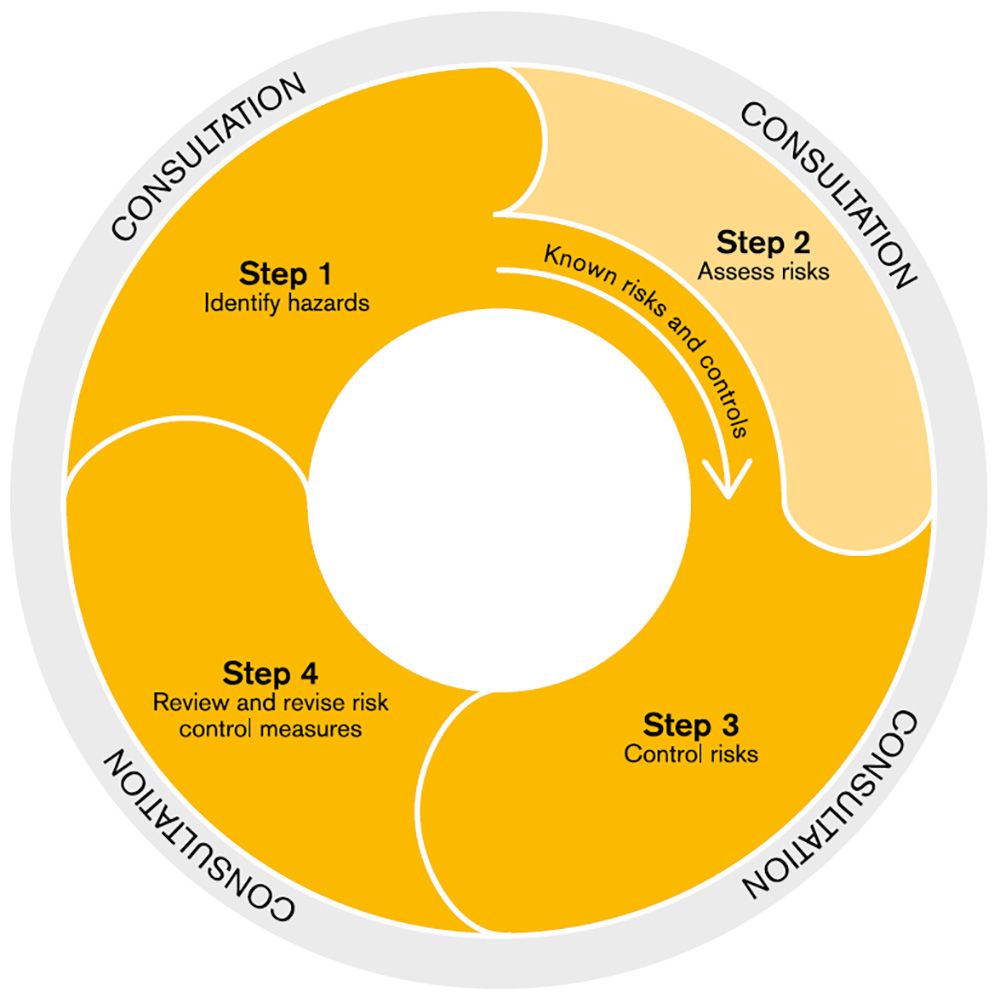
A first aid risk assessment in South Australia must identify:
- How many trained first aiders are required.
- How many first aid kits are needed.
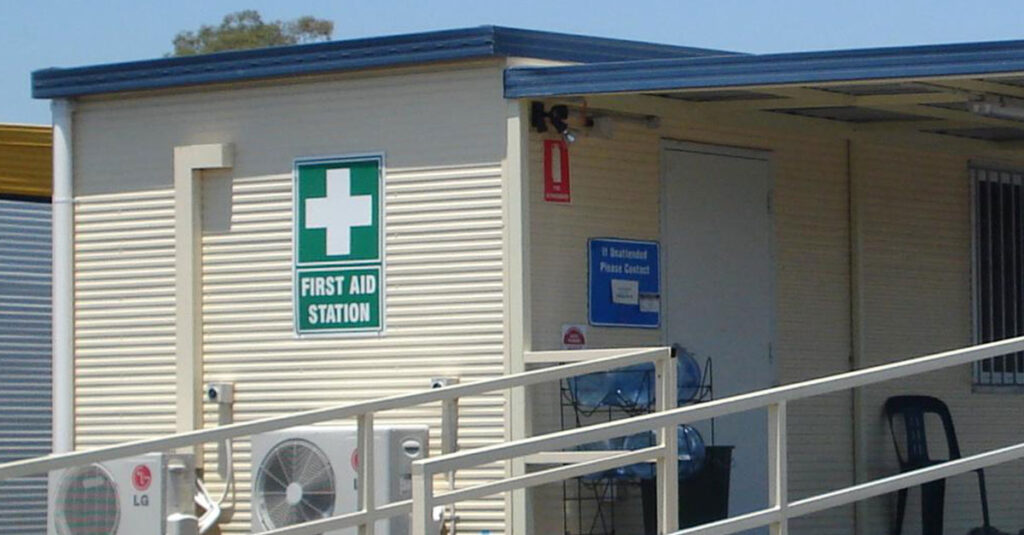
- Whether a first aid room or a first aid station is appropriate.
- What specialised equipment is required (AEDs, eyewash, spill response).
- Arrangements for remote or isolated workers across SA.
Risk assessments must be reviewed regularly — especially as Adelaide workplaces expand, change processes, or introduce new hazards.
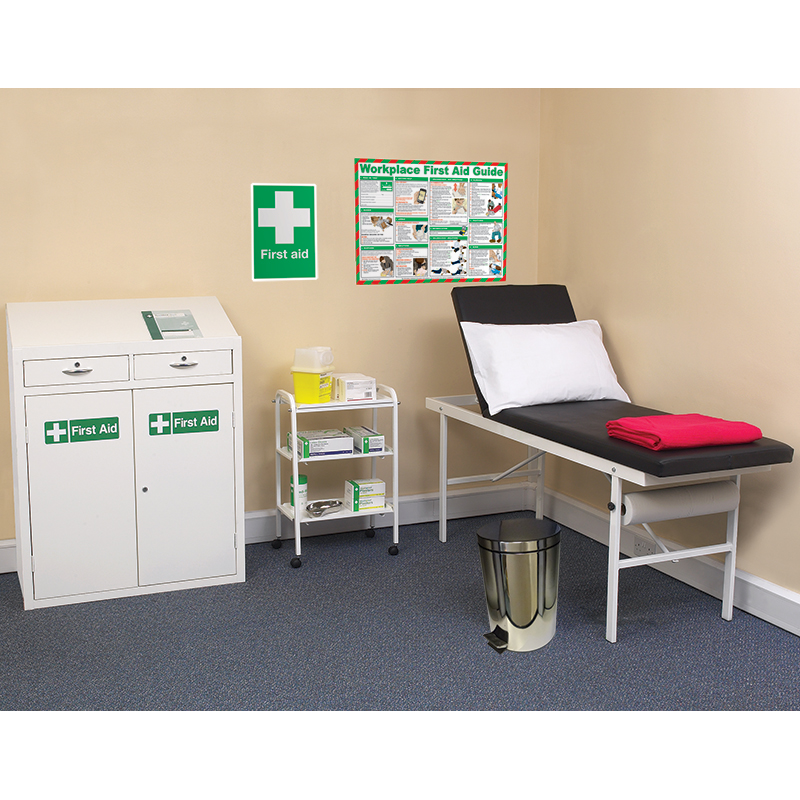
First Aid Room Setup: Essential Equipment for SA Workplaces
Minimum First Aid Room Equipment List
A compliant first aid room in South Australia should include the following:
| Required Item | Purpose |
|---|---|
| Examination couch | Safe surface for casualty assessment |
| Hand basin (hot & cold water) | Hygiene and wound care |
| Full workplace first aid kit | Immediate treatment |
| First aid signage | Clear identification |
| Sharps container | Safe disposal |
| Clinical waste bin | Biohazard waste |
| Workbench & storage | Organised equipment access |
| Chairs | Casualty seating |
| Privacy screen | Confidentiality & dignity |
| Emergency lighting | Use during power outages |
Depending on hazards identified in the SA workplace risk assessment, additional equipment may be needed.
First Aid Kit Placement Rules for Adelaide Businesses
Where to Position First Aid Kits
All Adelaide workplaces must provide at least one first aid kit. Larger or higher-risk sites often require several.
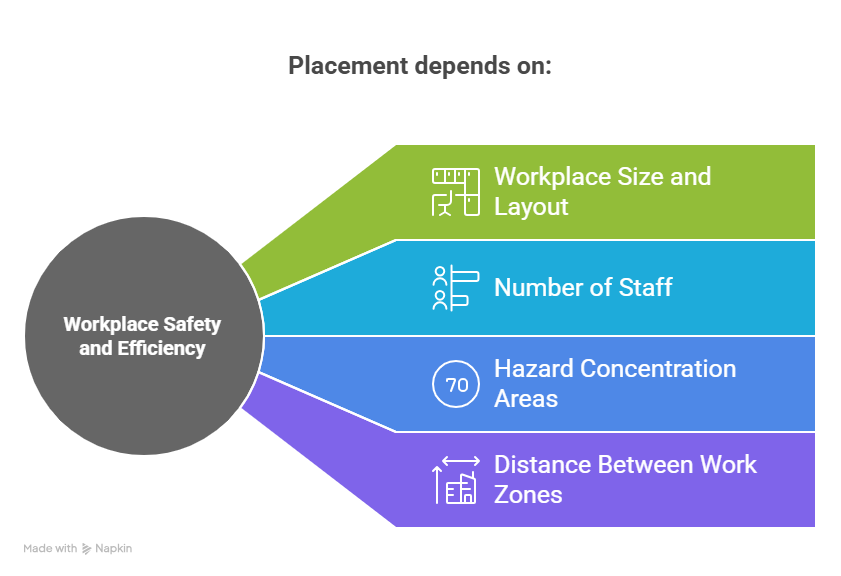
Kits must always be located close to high-risk activity areas.
Accessibility Standards
South Australian workers must be able to reach a first aid kit within minutes.
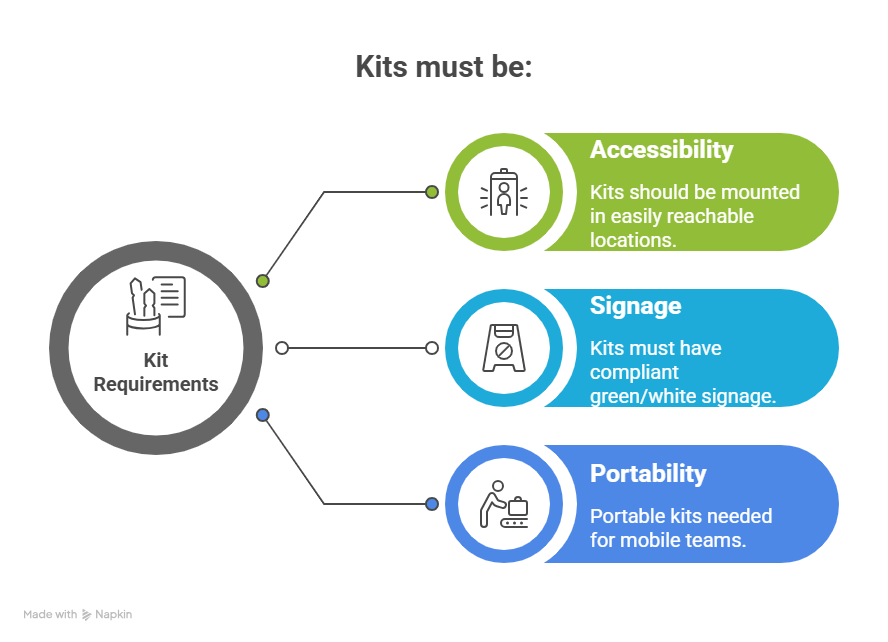
Signage and Labelling Requirements
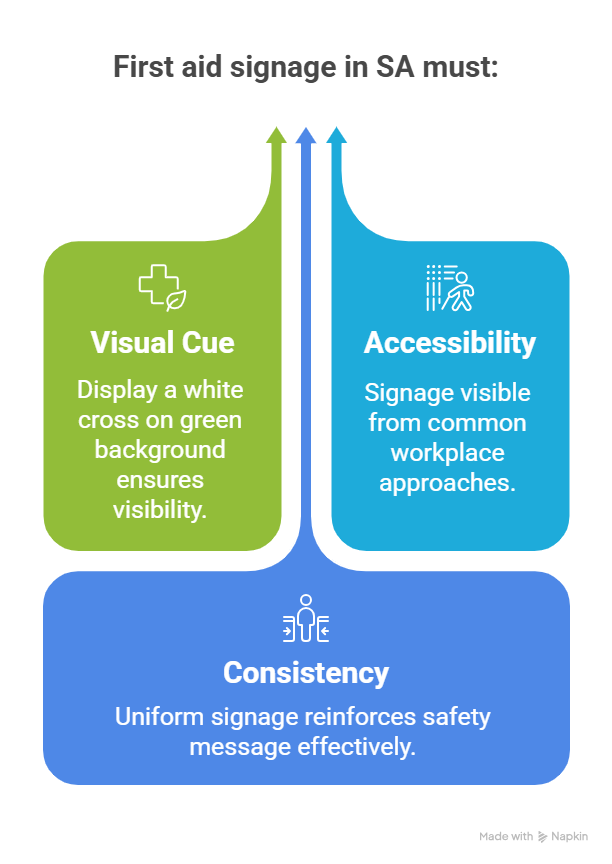
AED Placement in Adelaide Workplaces
Where to Install Defibrillators in SA
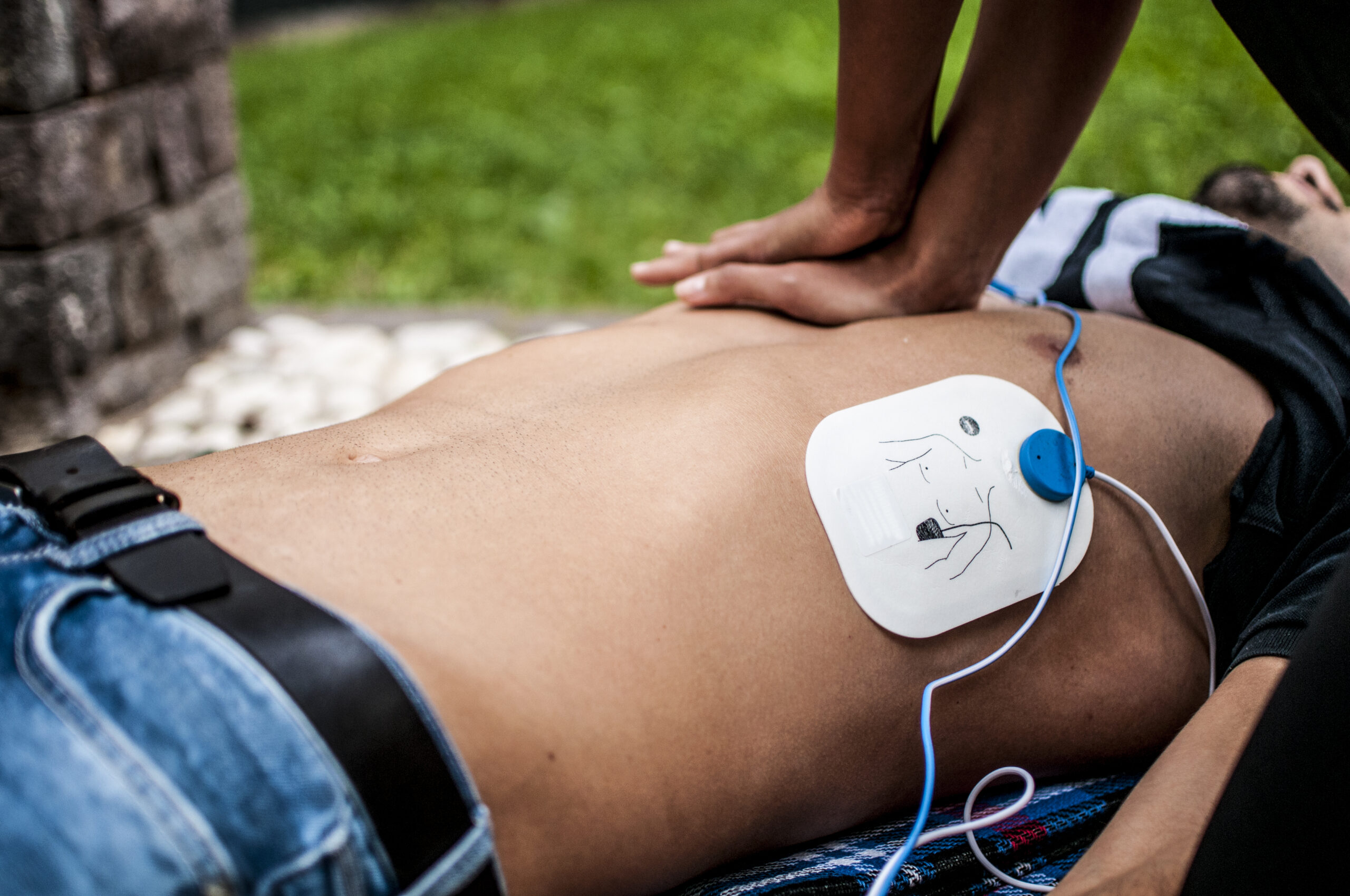
Workers should be able to access an AED within 3 minutes. AEDs work best when:
- Centrally located
- Placed near high foot-traffic locations
- Installed beside first aid rooms or stations
- Clearly marked with standard AED signage
AEDs in High-Risk SA Industries
AEDs are strongly recommended in sectors such as:
- Mining and resources
- Heavy manufacturing
- Construction
- Food production
- Transport and logistics
- Outdoor and heat-exposed environments
- Large public venues
These industries face higher risks of cardiac arrest.
AED Cabinet & Maintenance Requirements
Regular AED checks must include:
- Battery condition
- Pad expiry dates
- Cabinet alarm function
- General operational readiness
Well-maintained AEDs are crucial for preventing cardiac arrest fatalities in both urban and regional SA.
Setting Up a Workplace First Aid Station in Adelaide
Low-risk Adelaide workplaces may set up a first aid station instead of a full first aid room. A compliant station must include:
- First aid kit
- Clean water access
- A fixed treatment area
- Proper first aid signage
- At least one trained first aider onsite
Minimum Station Equipment
A first aid station must provide:
- First aid kit
- Infection control materials
- Disposable gloves and PPE
- General waste bins
- Resuscitation mask
The station must always remain clear and easily accessible, with no obstructions and clear sightlines to signage.
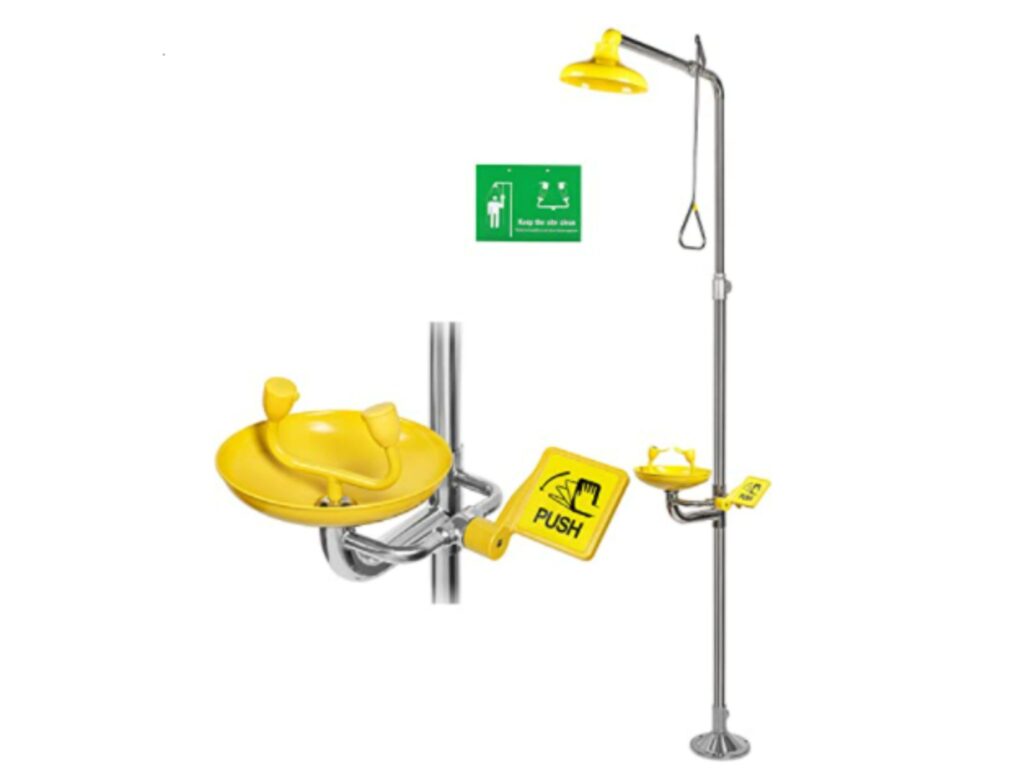
Eye Wash Station Requirements (SA Workplaces)
When Adelaide Workplaces Need Eye Wash Facilities
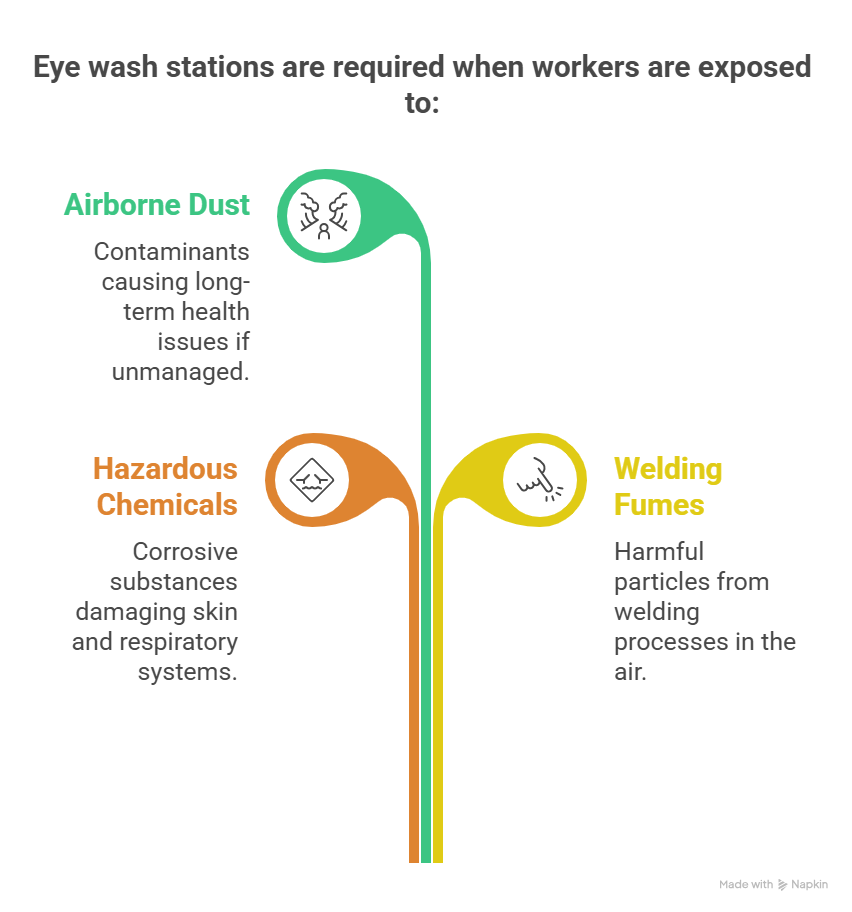
These risks are common in SA manufacturing, agriculture, food processing, construction, and remote mining sites.
Eye wash requirements in South Australian workplaces are based on risk, not a single rule for every site. The key trigger is a realistic risk of eye injury from hazardous chemicals or infectious substances, with other eye irritants captured through the workplace’s first aid and WHS risk assessment.
When SA workplaces need eye wash
Emergency eye wash equipment must be provided wherever there is a risk of eye injury from hazardous chemicals or infectious substances, such as splashes, sprays, aerosols or spills that could reach the face or eyes. This includes areas where hazardous liquids or powders are handled in open containers, chemicals are mixed, decanted or sprayed, or processes generate mists, vapours or particles that can contact the eyes.
In South Australia this commonly covers manufacturing, food processing, agriculture, construction, laboratories, vehicle and engineering workshops, chemical storage/decanting areas and remote or regional mining operations where hazardous chemicals are used or produced. Eye wash facilities are required where a first aid risk assessment identifies a risk of eye injury from hazardous chemicals, infectious substances or airborne particles, which is why they are often needed in these SA industries.
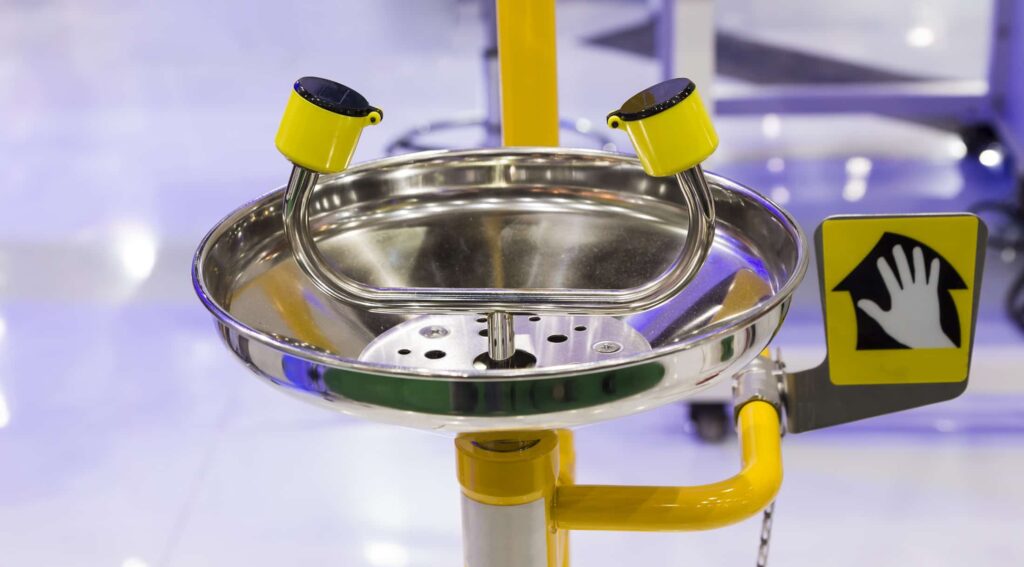
Types of eye wash stations
Two main types of eye wash facilities are used in workplaces:
- Plumbed eye wash units – permanently connected to a potable water supply and preferred in fixed facilities because they can reliably meet flow, duration and water‑quality expectations.
- Portable or self‑contained units – suitable for mobile work, temporary tasks or remote SA sites where plumbing is not reasonably practicable, as long as they meet the same performance and maintenance requirements as plumbed units.
Personal eye‑wash bottles are treated only as supplementary first aid; they do not replace a compliant plumbed or self‑contained eye wash where there is a significant risk of chemical eye injury.
Installation and performance expectations
Emergency eye wash units should be:
- Located within about 10 seconds’ travel (around 15 metres) of the hazard, on the same level, clearly signed, well lit and free from obstructions to allow immediate access in an emergency.
- Designed and installed to deliver a gentle, continuous flow to both eyes simultaneously for at least 15 minutes, in line with AS 4775 performance criteria.
Eye wash stations must be activated and checked regularly (for example, weekly flushing plus at least annual flow and performance testing) to maintain water quality, flow rate and reliability, and should be maintained in line with the manufacturer’s instructions and the relevant Australian Standard.
Chemical Spill Station Recommendations for SA Workplaces
Mandatory Spill Response Equipment
| Component | Purpose |
|---|---|
| Absorbent pads | Contain liquid spills |
| Neutralisers | usually saline water to treat acid/alkali spills |
| PPE | Protect workers during clean-up |
| Waste bags | Safe disposal |
| Spill signage | Hazard control |
Placement & Training
Spill stations must be:
- positioned near chemical storage
- clearly marked
- used only by trained and authorised workers
First Aid Facility Maintenance Requirements in SA
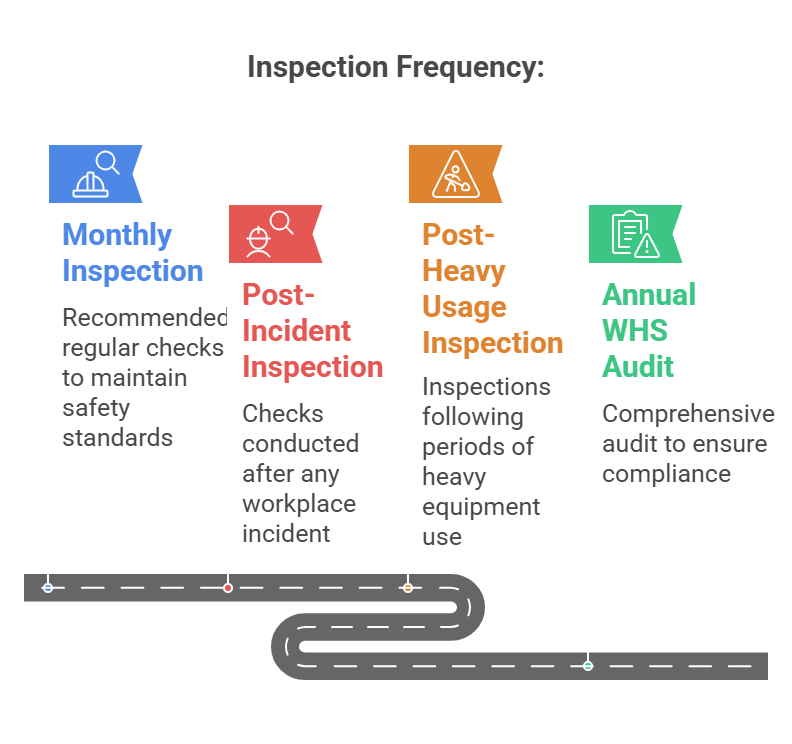
Adelaide workplaces should inspect first aid rooms, kits, AEDs, and stations:
Recordkeeping Requirements
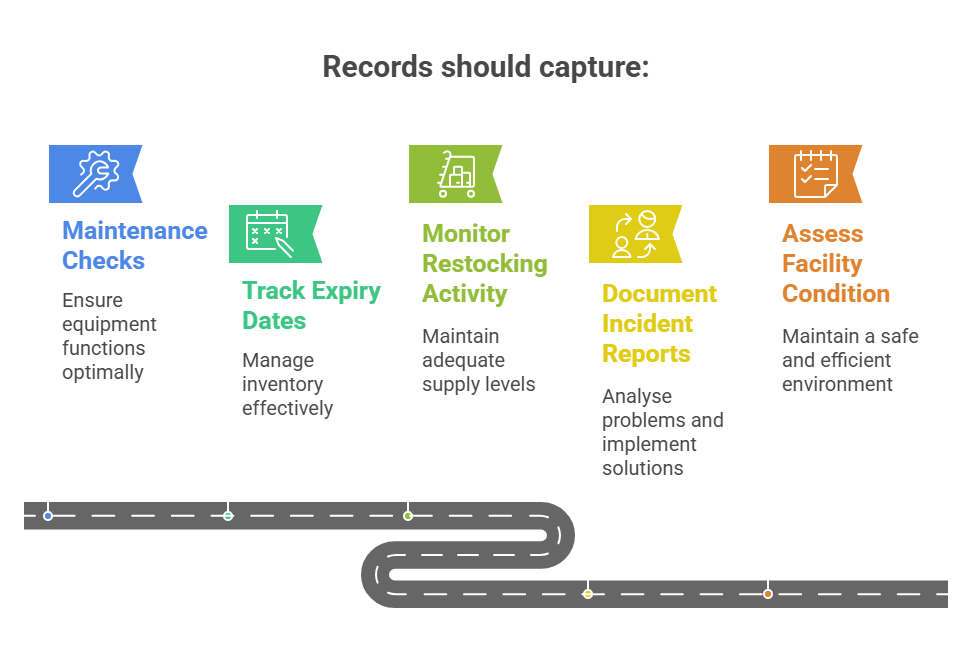
Documentation supports SafeWork SA compliance and audit readiness.
Remote & Isolated Worksite First Aid (Regional South Australia)
South Australia’s vast geography — including the Eyre Peninsula, the Far North, Riverland, and Limestone Coast — requires enhanced first aid arrangements for remote and isolated worksites.
Additional First Aid Requirements for Remote SA Worksites
- High-capacity first aid kits
- Reliable communication (satellite phone, radio)
- Emergency transport plans
- Increased number of trained first aiders
Mobile First Aid Rooms & Upgraded Kits
Many regional industries across SA require mobile and upgraded first aid solutions, including:
- Vehicle-mounted first aid kits
- Portable AEDs
- Trauma-specific equipment
- Remote-capable eyewash/irrigation units
→ Ensure your SA workplace meets WHS obligations. Book Workplace First Aid Training with First Aid Pro Adelaide today.
Ensuring Your Adelaide Workplace Meets First Aid Room Requirements
Providing effective first aid is a core WHS duty for all South Australian workplaces. By following the national Code of Practice, conducting a thorough first aid risk assessment, and equipping your business with the right facilities, SA employers can significantly reduce the severity of workplace injuries and illnesses. Properly maintained first aid rooms, accessible kits, AEDs, spill equipment, and trained first aiders support a safer and more compliant workplace across Adelaide and regional SA.
→ Strengthen your workplace safety. Enrol your staff in nationally recognised first aid training with First Aid Pro Adelaide today.
References
- Safe Work Australia – First Aid in the Workplace Code of Practice
- Safe Work SA: First Aid
- SafeWork SA – WHS Legislative Framework
- Work Health and Safety Act 2012 (SA)
Frequently Asked Questions
How do I know if my SA workplace needs a first aid room?
This depends on worker numbers, the nature of work, and the risk level. Many higher-risk Adelaide industries require first aid rooms regardless of workforce size.
How many first aid kits should an Adelaide workplace have?
At least one is required, but larger, multi-level, or high-risk workplaces typically need multiple kits.
Do I need a trained first aider onsite at all times?
Yes. A trained first aider must be available whenever workers are present.
Does every South Australian workplace need an AED?
Not legally—but AEDs are strongly recommended and may significantly reduce the risk of cardiac arrest fatalities.
How often should SA workplaces inspect first aid facilities?
Monthly checks are recommended, along with immediate inspections after incidents and annual WHS audits.