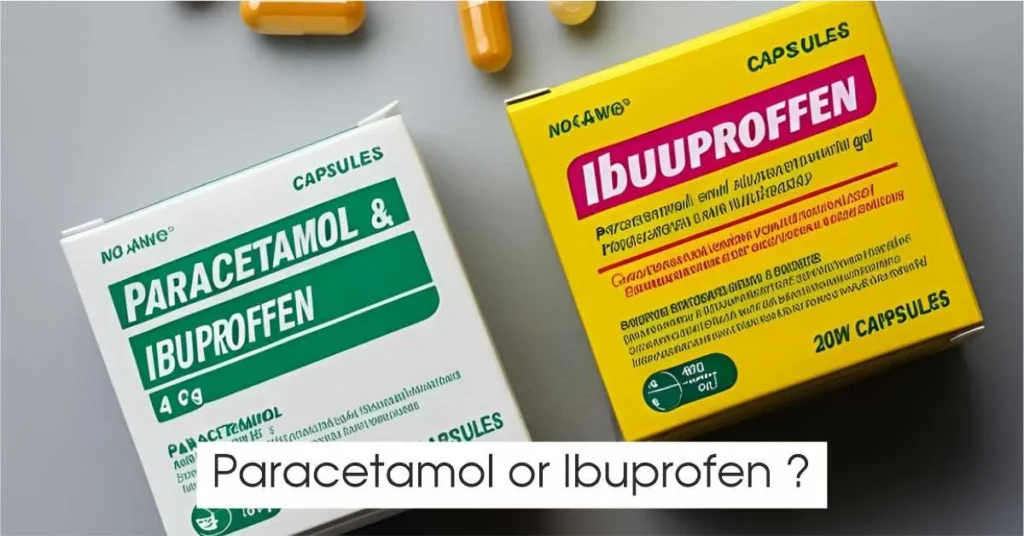
Walk into any Australian pharmacy or peek inside a family’s medicine drawer, and you’ll almost certainly find bottles of paracetamol or Ibuprofen, or both sitting side by side. These medications have become household staples, earning their place on the World Health Organization’s List of Essential Medicines. But here’s the thing – despite their similar purposes, many people don’t realise these are actually very different drugs with distinct strengths, weaknesses, and ideal use cases.
Choosing between paracetamol or ibuprofen matters more than you might think. Sure, both tackle pain and bring down fevers, but the way they work inside your body is fundamentally different. Making the right choice between ibuprofen vs paracetamol can mean the difference between quick relief and ongoing discomfort, or between a medication that’s perfectly safe for you versus one that might cause unwanted reactions.
This comprehensive guide explains everything you need to know about these two common painkillers, so you can make confident, informed decisions about managing pain effectively and safely.
Key Takeaways
- These two painkillers work differently in your body despite delivering similar pain relief results
- For most general pain situations, paracetamol is the recommended starting point due to its superior safety record
- Ibuprofen’s anti-inflammatory action makes it the better option for swelling, muscle injuries, and joint pain
- Combining both medications is safe and sometimes more effective than taking higher doses of either alone
- Persistent pain lasting more than a few days warrants professional medical evaluation
Become a Competent First Aid Responder
Managing pain is just one element of effective emergency response. Build real confidence by enrolling in a nationally recognised first aid course with First Aid Pro Adelaide and develop the practical skills needed to respond safely to injuries, sudden illness, and critical medical situations.

How Are Paracetamol and Ibuprofen Different?
While these medications achieve similar therapeutic goals, they’re not always interchangeable. The key difference lies in how they work: your body handles paracetamol primarily through the liver, whereas the kidneys process ibuprofen. But the distinctions run much deeper than just metabolism.
Each medication tackles pain through a unique biological pathway, which is why one might work brilliantly for a specific condition while the other provides minimal relief. These differences also determine which one carries fewer risks, which might interfere with your other medications, and which is appropriate for special situations like pregnancy or childhood illnesses.
Let’s explore each medication thoroughly before we compare them head-to-head.
If you’re looking to strengthen your emergency response skills, enrolling in a first aid course with First Aid Pro Adelaide is a practical next step. In just one day, you can gain essential, life-saving knowledge that extends well beyond simply choosing the right pain relief.
Understanding Paracetamol
Paracetamol (known as acetaminophen in the United States and some other regions) has been relieving pain safely for generations. It’s available without prescription in virtually every country and remains one of the most frequently recommended medications by doctors worldwide.
The Science Behind Paracetamol
Here’s something fascinating: despite decades of use, medical researchers haven’t completely cracked the code on exactly how paracetamol works. The prevailing theory suggests it blocks pain signal transmission in your nervous system, essentially preventing those “ouch” messages from making it to your brain. Since some of these same biochemical pathways contribute to fever, paracetamol also effectively lowers body temperature when you’re running hot.
While the precise mechanism remains somewhat mysterious, there’s absolutely no doubt about paracetamol’s effectiveness – countless studies and millions of successful treatments confirm it works exceptionally well for pain and fever management.
Forms and Administration
You can find paracetamol in various preparations:
- Oral tablets and capsules (the standard choice) • Children’s liquid formulations • Injectable solutions for clinical settings
Paracetamol is remarkably safe even for infants as young as one month, making it invaluable for parents – though you must always follow age-appropriate dosing precisely. One convenient advantage: you can take paracetamol on an empty stomach without triggering nausea or gastric irritation, unlike some other painkillers.

Potential Adverse Effects of Paracetamol
One major reason paracetamol enjoys such widespread use is its outstanding safety record. The vast majority of people experience no side effects whatsoever, and it’s safe for vulnerable groups including infants and pregnant women – doctors actually prefer it as the go-to painkiller during pregnancy.
Very occasionally, some people may experience:
- Skin reactions or rashes • Allergic responses • Medication-induced fever • Hepatitis (liver inflammation) • Blood disorders (including pancytopenia, neutropenia, or thrombocytopenia)
These adverse reactions are genuinely rare. Should you notice any unusual symptoms after taking paracetamol, contact your healthcare provider.
Anyone with existing liver or kidney disease should check with their doctor before using paracetamol, since the liver does most of the work breaking it down.
Medications That May Interact
Paracetamol plays nicely with most other drugs, but there are a few important exceptions. Be cautious if you’re also using:
- Warfarin (anticoagulant medication) • Metoclopramide (anti-nausea treatment) • Carbamazepine (epilepsy or neuropathic pain medication) • Phenytoin (seizure medication)
Paracetamol Overdose: A Serious Risk
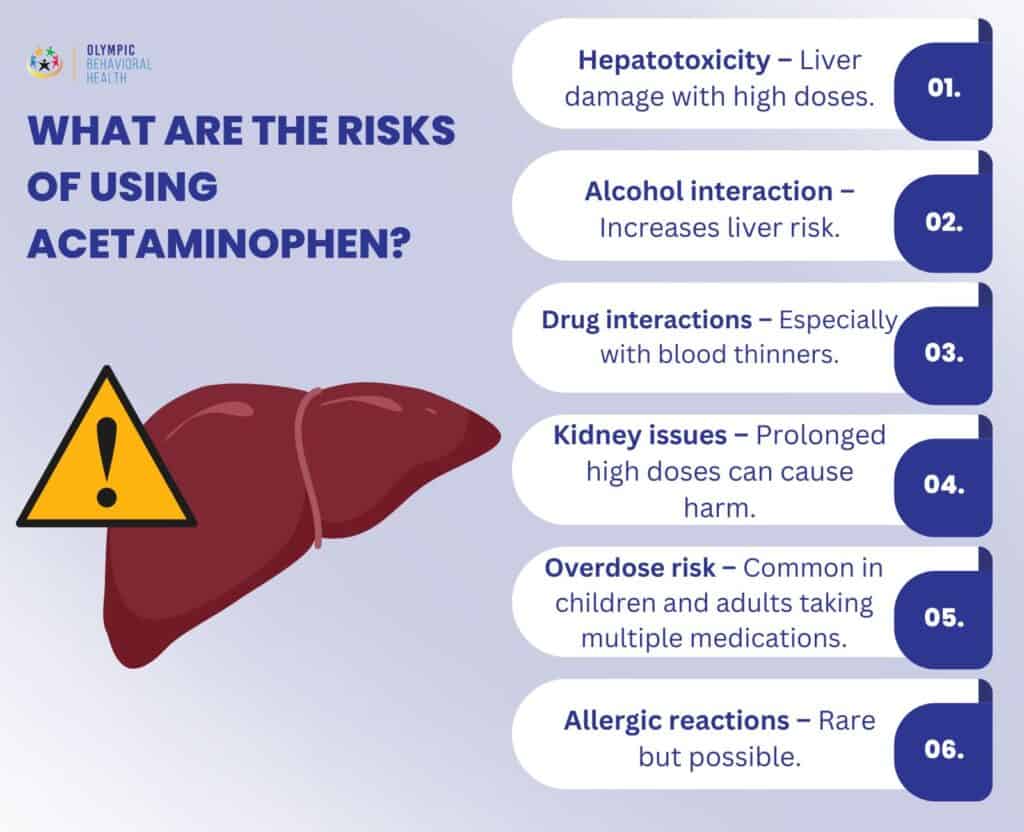
The biggest danger with paracetamol is hepatotoxicity – severe liver damage from taking too much. This usually only happens when someone takes a massive dose all at once (like swallowing many tablets in one go) or takes excessive amounts daily over several consecutive days.
Following dosage recommendations isn’t optional – it’s crucial. Liver toxicity from paracetamol can result in permanent organ damage and can be fatal.
Critical warning: Many cold and flu medications contain paracetamol alongside other ingredients. Before taking paracetamol separately, check all your other medications to avoid accidentally doubling up on your dose.
If someone has consumed a large quantity of paracetamol (whether intentionally or by accident), don’t hesitate – call the Poisons Information Centre on 131 126 or get them to an emergency department immediately. Early symptoms might be minimal (just nausea, vomiting, or stomach pain developing later), but waiting for symptoms is dangerous. Serious liver damage can occur before obvious symptoms appear, so act fast.
For those wanting greater confidence in real emergencies, a nationally recognised first aid course with First Aid Pro Adelaide is a smart investment. One focused day of training can provide practical, life-saving skills that reach far beyond basic medication decisions.
Common Brand Names for Paracetamol
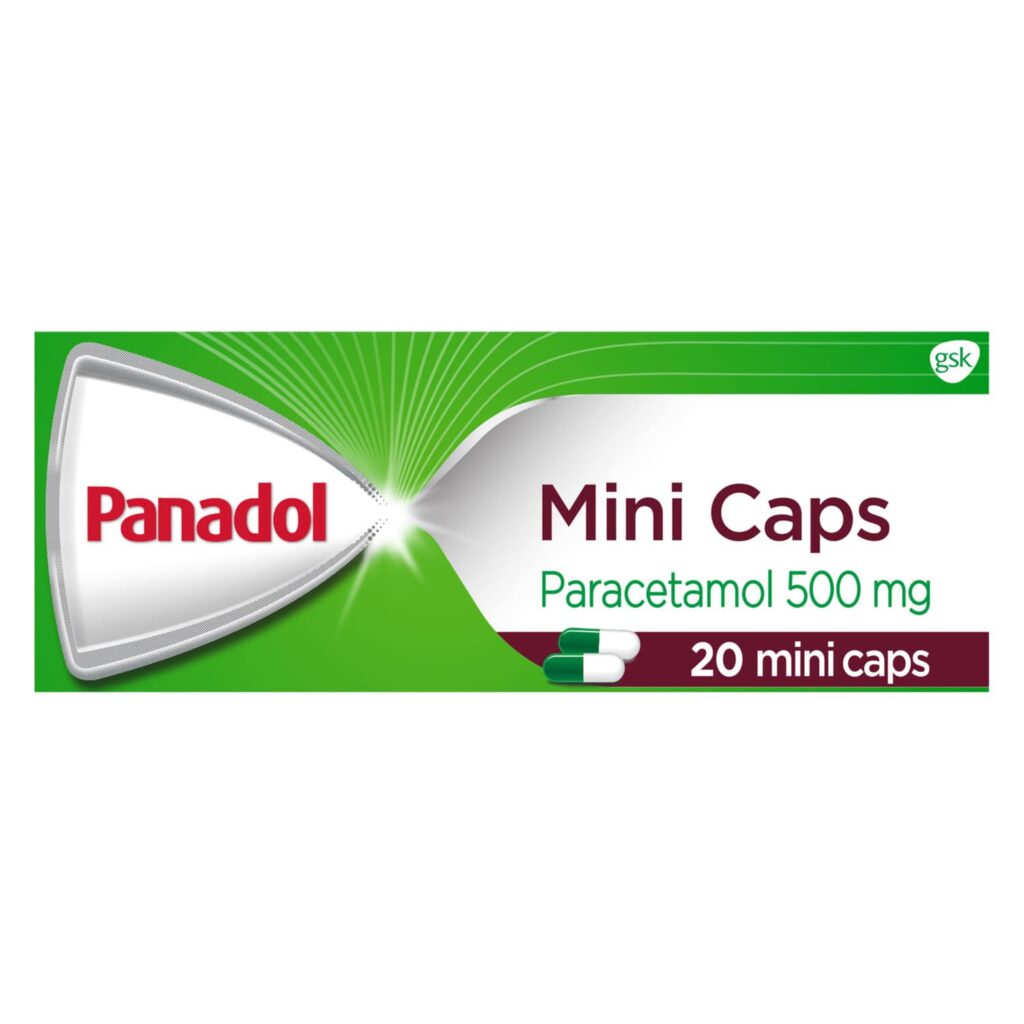
Panadol is probably the most recognised paracetamol brand, but it’s just one of many. In Australia, you’ll also find Panamax, Hedanol, Herron Paracetamol, Chemist Own Paracetamol, and Dymadon. American consumers typically know it as Tylenol.
You’ll also find paracetamol combined with other active ingredients in products like Codral Cold & Flu (which adds decongestants).
Regardless of brand, the active ingredient is chemically identical. If two products contain the same amount of paracetamol per dose (check the packaging), they’ll have the same effect.

Understanding Ibuprofen
Ibuprofen is another extremely common pain medication available without prescription in most countries. It falls into the NSAID category – non-steroidal anti-inflammatory drugs – which gives you a clue about one of its key features.
The Science Behind Ibuprofen
Unlike paracetamol’s somewhat mysterious mechanism, scientists understand ibuprofen’s action quite clearly. It works by blocking your body’s production of prostaglandins – chemical compounds that serve various purposes, including creating inflammation responses. When ibuprofen suppresses these chemicals, both pain and inflammation decrease. While inflammation is part of your body’s natural healing process, it’s not always beneficial, which is where ibuprofen shines.
Thanks to its powerful anti-inflammatory effect, ibuprofen outperforms paracetamol for conditions like arthritis, period cramps, sports injuries, and other inflammation-based pain.
Forms and Administration
Ibuprofen comes in multiple formats:
- Standard tablets and capsules • Paediatric liquid suspensions (suitable from three months of age) • Topical gels that you apply directly to painful areas
Always adhere carefully to dosing instructions. Unlike paracetamol, ibuprofen should be taken with food or at least milk – swallowing it on an empty stomach is a reliable recipe for stomach upset.
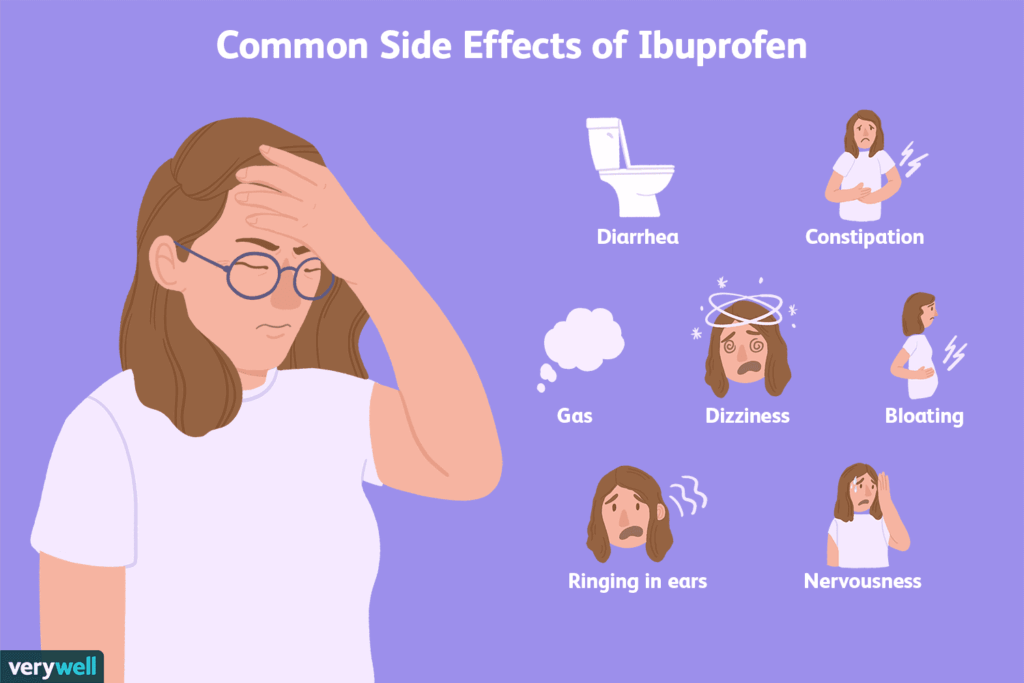
Potential Adverse Effects of Ibuprofen
Ibuprofen does carry a higher probability of side effects than paracetamol. People sometimes experience:
- Headaches • Dizziness or lightheadedness • Nausea • Loose stools or diarrhea • Heartburn or indigestion • Stomach ulcers • Gastrointestinal bleeding • Elevated blood pressure
Not everyone experiences these issues, but it’s important to be aware of the possibilities.
Medications That May Interact
Ibuprofen can interact problematically with quite a long list of other drugs. These include:
ACE inhibitors, aldosterone antagonists, alendronate, amiloride, aspirin, beta-blockers, brimonidine, calcineurin inhibitors, corticosteroids, cyclosporin, fluconazole, lithium, loop diuretics, methotrexate, phenindione, potassium, prostaglandin analogues, rifampicin, sartans, tacrolimus, thiazide diuretics, thiazolidinediones, triamterene, and warfarin.
If you’re on any prescription medications, always verify with your pharmacist or doctor that adding ibuprofen won’t cause problems.
Does Ibuprofen Thin Your Blood?
Not in the technical medical sense, but it does have blood-thinning-like effects – specifically, it interferes with normal blood clotting and can slow wound healing. This becomes particularly important if you’re already taking anticoagulant medications or have conditions affecting your blood’s ability to clot. In these situations, only use ibuprofen if your doctor specifically approves it.
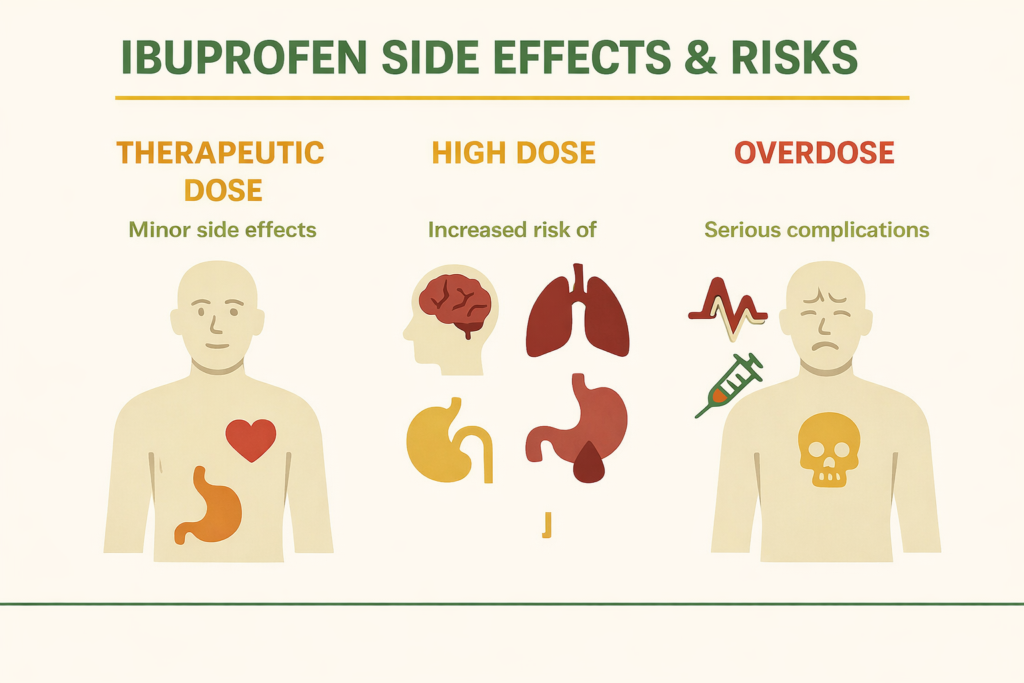
Ibuprofen Overdose Risks
Taking too much ibuprofen is dangerous, though fatalities are uncommon. The consequences are typically less catastrophic than paracetamol overdose, but kidney damage can occur.
Milder overdose indicators include ringing in the ears, heartburn, nausea, vomiting, diarrhea, dizziness, abdominal pain, skin rashes, vision problems, or excessive sweating.
More serious warning signs include severe headaches, laboured breathing, seizures or convulsions, dangerously low blood pressure, minimal urine production, or unconsciousness.
Suspect an ibuprofen overdose? Ring the Poisons Information Centre on 131 126 for immediate advice.
Common Brand Names for Ibuprofen
Nurofen is the most widely recognised ibuprofen brand in Australia, but you’ll also see Advil, Panafen, and Hedafen on pharmacy shelves. Just as with paracetamol, if two products contain the same quantity of ibuprofen, they’ll deliver identical results.
If you’re ready to build real capability in emergency situations, consider completing a nationally recognised first aid course with First Aid Pro Adelaide. In just a single day, you’ll develop practical, life-saving skills that go well beyond deciding which painkiller to use.
Direct Comparison: Paracetamol Or Ibuprofen
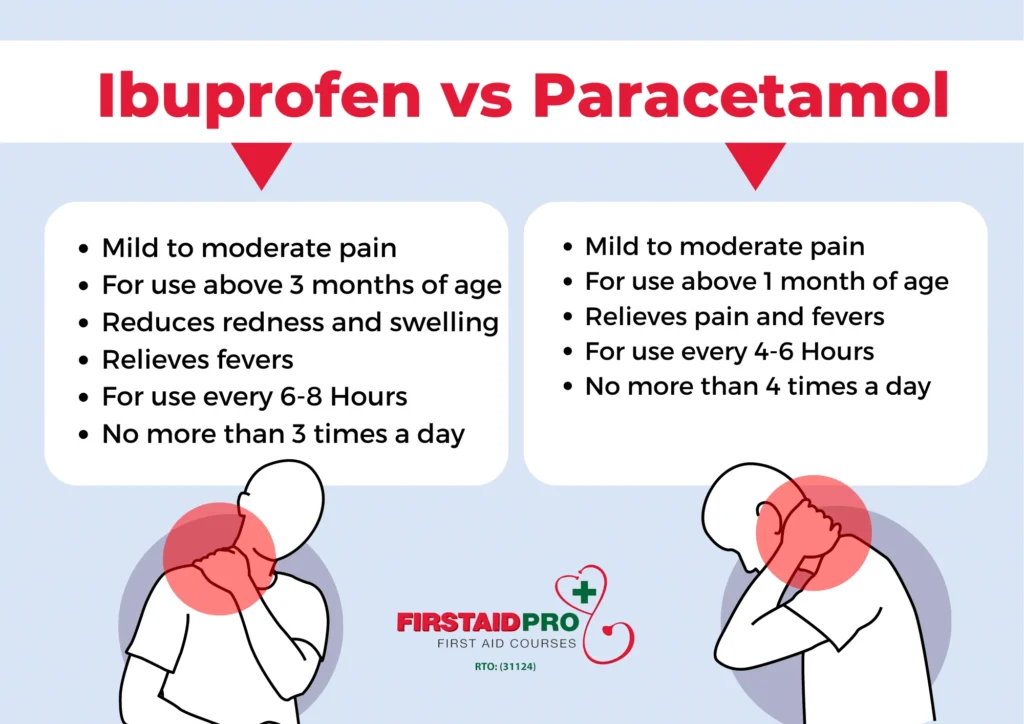
Both medications reduce fever and control pain by affecting different areas in your brain, but the similarities largely end there. Here's how they stack up:
Paracetamol uses the liver
Ibuprofen uses the kidneys
Paracetamol offers minimal anti-inflammatory effect
Ibuprofen provides strong anti-inflammatory action
Paracetamol doesn't need food
Ibuprofen should be taken with food
Paracetamol causes very few
Ibuprofen causes more frequent side effects
Paracetamol has minimal interactions
Ibuprofen interacts with many medications
Paracetamol is the preferred choice
Ibuprofen should be avoided (forbidden in third trimester)
Put simply, paracetamol is your safe, reliable, all-purpose option with minimal downsides for most people, including children and pregnant women. But you must respect the dosage limits – overdosing carries severe consequences.
Ibuprofen brings more baggage in terms of potential side effects and drug interactions, but when you’re dealing with inflammation-driven pain, it’s often significantly more effective than paracetamol.
Deciding Which Medication to Use
For everyday pain like headaches, medical experts generally suggest trying paracetamol first, then moving to ibuprofen if you don’t get adequate relief. This strategy makes sense because paracetamol has such an excellent safety profile – fewer side effects, fewer drug conflicts, and incredible versatility. You can take it whenever and wherever you’ve got water available, no meal required.
When paracetamol doesn’t cut it, ibuprofen becomes your next logical option. Yes, there’s a higher chance of side effects and you need to take it with food, but its anti-inflammatory properties make it considerably more powerful for many types of pain.
Exception to the rule: For certain specific problems – muscle strains, sports injuries, or menstrual cramps – you’re better off starting directly with ibuprofen. It’s demonstrably more effective for these inflammation-heavy conditions.
Special consideration for pregnancy: Pregnant women should stick exclusively to paracetamol. Medical professionals strongly advise against ibuprofen during pregnancy, especially in the final trimester, due to research linking it to miscarriage and fetal complications.

Taking Paracetamol and Ibuprofen Together
Yes, it’s generally safe for adults to take paracetamol (acetaminophen) and ibuprofen together for short-term pain or fever relief, as they work differently and don’t interact harmfully. – just stick to proper dosing for each one. Since paracetamol and ibuprofen operate through different mechanisms without interfering with each other, taking both at recommended doses for severe pain is actually safer than exceeding the recommended dose of either medication alone (particularly paracetamol, where overdosing is extremely dangerous).
You can even buy combination products containing both active ingredients – Nuromol, Mersynofen, and Maxigesic are examples available in Australia.
Alternating for Round-the-Clock Relief
Here’s a smart strategy for managing ongoing pain: alternate between the two medications. Since each painkiller needs 4-6 hours between doses, you might have uncomfortable gaps when your previous dose wears off.
Instead, try this: take paracetamol now, then ibuprofen three hours from now, then paracetamol three hours after that, continuing the rotation. This pattern maintains more consistent pain control throughout the day.
Important caveat: Neither medication is designed for long-term continuous use. Pain that persists for more than two to three days deserves medical evaluation – see your doctor to investigate the underlying cause and discuss better solutions.

Choosing the Right Painkiller for Children: Paracetamol or Ibuprofen?
Deciding between paracetamol or ibuprofen for your child involves the same general considerations as for adults. Most children’s painkillers come as flavoured liquid suspensions that you administer using a dosing syringe.
When you’re uncertain which to choose, paracetamol is typically the safer bet because it has fewer potential complications. Its biggest practical advantage for children: no food required, making it perfect for those middle-of-the-night moments when your sick child definitely doesn’t want to eat.
That said, ibuprofen can be more effective for inflammation-related discomfort like growing pains. It also works more quickly – you’ll usually see effects within 15 minutes, compared to paracetamol’s 30-minute timeline.
Crucial dosing reminder: Read and follow paediatric dosing instructions with extreme care every single time. Most medicines list dosing by both age and weight – weight is generally more accurate (assuming the child meets the minimum age). Different formulations can have different concentrations, so even if you’ve used the same brand before, check the label. Never dose from memory.
Making Informed Painkiller Choices
Both ibuprofen and paracetamol deserve space in your home first aid kit. Understanding what makes them different gives you the power to select the right medication for your particular situation – whether that means paracetamol’s gentle, safe approach for everyday aches, or ibuprofen’s inflammation-fighting strength for swelling and muscle pain.
Keep These Principles in Mind
A quick, practical checklist to guide safe choices in routine pain relief.
Default to paracetamol
Inflammation needs a different approach
Combination can be appropriate
Dosage limits are non-negotiable
Escalate when needed
If you need comprehensive emergency response training, consider enrolling in a first aid course with First Aid Pro Adelaide. A single day of training could equip you with life-saving knowledge that goes far beyond painkiller selection.
References
- NIH National Library of Medicine: Overview review: Comparative efficacy of oral ibuprofen and paracetamol (acetaminophen) across acute and chronic pain condition
- First Aid Pro (RTO): Pain Management in First Aid – Techniques & Safety Considerations
- Safe Work Australia: First Aid In The Workplace: Code of Practice
- Healthdirect: Paracetamol
- The Royal Children’s Hospital Melbourne: Pain-relief medicine for children – paracetamol and ibuprofen
Medical Disclaimer
This content offers general health information and should not substitute for professional medical advice. In any medical emergency, dial 000 immediately and follow emergency services guidance.
Frequently Asked Questions
Which painkiller is stronger – paracetamol or ibuprofen?
There’s no straightforward answer because they work differently and excel in different scenarios. Ibuprofen’s anti-inflammatory properties make it more powerful for inflammation-related pain like sore joints and pulled muscles. Paracetamol generally performs better when pain and fever aren’t primarily inflammation-driven. Individual responses vary too, and the type of condition being treated makes a huge difference in which feels “stronger.”
For headaches, should I take paracetamol or ibuprofen?
Ibuprofen is generally more effective than paracetamol for most headaches, especially tension-type or those with inflammation, due to its anti-inflammatory action. Choose paracetamol if you have stomach issues, kidney problems, or need faster initial relief. If headaches are frequent or severe, talk to a healthcare provider.
Which is better for children – paracetamol or ibuprofen?
Paracetamol handles mild to moderate childhood pain and fever effectively, though it doesn’t do much for inflammation-related symptoms like swelling and redness. Ibuprofen, being an NSAID, also manages mild to moderate pain and fever well, but with the added benefit of reducing inflammation. The right choice depends on what’s causing your child’s discomfort – inflammation-heavy problems respond better to ibuprofen, while general aches and fever often respond fine to paracetamol.