A Compliance-Focused Guide for Childcare, Schools, OSHC and Early Learning Providers
Childcare first aid rules in Australia set clear expectations for how education and care services prepare for medical emergencies. From nationally approved training to current CPR skills and documented workplace procedures, first aid compliance is a legal requirement—not a recommendation. Services that understand and meet these obligations protect children, support educators, and demonstrate a strong duty of care during assessment and regulatory reviews.
Be ready to respond with confidence. Enrol in a nationally recognised HLTAID012 Childcare First Aid course with First Aid Pro Adelaide to meet ACECQA requirements and strengthen safety across your facility.
Key Compliance Takeaways for Childcare Services
Why First Aid Compliance Is Non-Negotiable in Childcare
Education and care environments are dynamic, high-responsibility settings. Young children are still developing coordination, communication and immune defences, which increases the likelihood of illness and injury. First aid compliance ensures educators can respond quickly and appropriately when something goes wrong—whether that’s an asthma flare-up, an allergic reaction, a fall, or a sudden medical emergency.
Beyond safety outcomes, first aid compliance is also a regulatory obligation. Failure to meet training and availability requirements can affect a service’s assessment and rating and expose operators to enforcement action. Strong first aid systems support educator confidence, reassure families, and demonstrate professionalism across early learning and OSHC services.

The Regulatory Landscape Behind Childcare First Aid
The Laws and Codes That Shape First Aid Obligations
The Education and Care Services National Law (applied in SA via referral legislation) and National Regulations (e.g., Reg 136) mandate that centre-based services have at least one educator with current approved first aid qualification, plus separate training in anaphylaxis management and emergency asthma management, available at all times children are present.
WHS legislation (Work Health and Safety Act 2012 (SA)) and the adopted national First Aid in the Workplace Code of Practice require PCBUs to assess risks and provide adequate first aid kits, facilities, procedures and trained first aiders based on workplace hazards.
SA‑specific application
South Australia implements the national Education and Care Services National Regulations directly, with SafeWork SA enforcing the WHS duties and endorsing the First Aid Code of Practice for risk‑based first aid provisions in all workplaces, including childcare.
Which Education and Care Services Are Covered
These obligations apply across all approved service types, including:
- Long day care
- Family day care
- Preschool and kindergarten programs
- Outside School Hours Care (OSHC)
Regardless of setting, services must ensure children have access to trained first aiders whenever they are being educated or cared for.
What Regulators Mean by “Adequate First Aid”
“Adequate” first aid is risk-based. It includes:
- Staff with approved, current first aid qualifications
- Accessible, suitably stocked first aid kits
- Clear procedures for managing illness and injury
- Facilities and systems that align with the risks of the service
First Aid Training Requirements for Teachers and School Staff
First Aid Certificate Requirement for School Employment
The Department for Education in SA states that teachers (including temporary/relief teachers) must hold a current approved first aid certificate as a condition of employment.
For early childhood or school roles with children’s health responsibilities, the department notes that HLTAID012 – Provide First Aid in an Education and Care Setting is recommended, as it also covers asthma and anaphylaxis—key competencies in school first aid contexts.
Permanent and contract teachers are expected to maintain an approved first aid training certificate as part of employment prerequisites, managed by their school leader.

How First Aid Compliance Is Assessed and Enforced
First aid compliance is routinely reviewed through assessment and rating visits under the National Quality Standard, as well as monitoring inspections and spot checks. Regulators examine training records, CPR currency, first aid kit maintenance and incident response processes. Gaps in compliance can lead to conditions being imposed, lower ratings, or further regulatory action—outcomes no service wants to face.
What ACECQA Expects from Childcare Services
Australian Children’s Education and Care Quality Authority interprets the National Regulations to require that at least one educator with approved first aid qualifications is in attendance and immediately available whenever children are present. In practice, many services train multiple staff to ensure coverage during breaks, excursions and staff absences.
Core Childcare First Aid Compliance Benchmarks
Services are expected to demonstrate:
- Approved first aid qualifications appropriate to education and care
- Annual CPR refreshers
- Evidence of training currency and documented first aid procedures
Childcare-Approved First Aid Qualifications Explained
The Required Course for Education and Care Settings
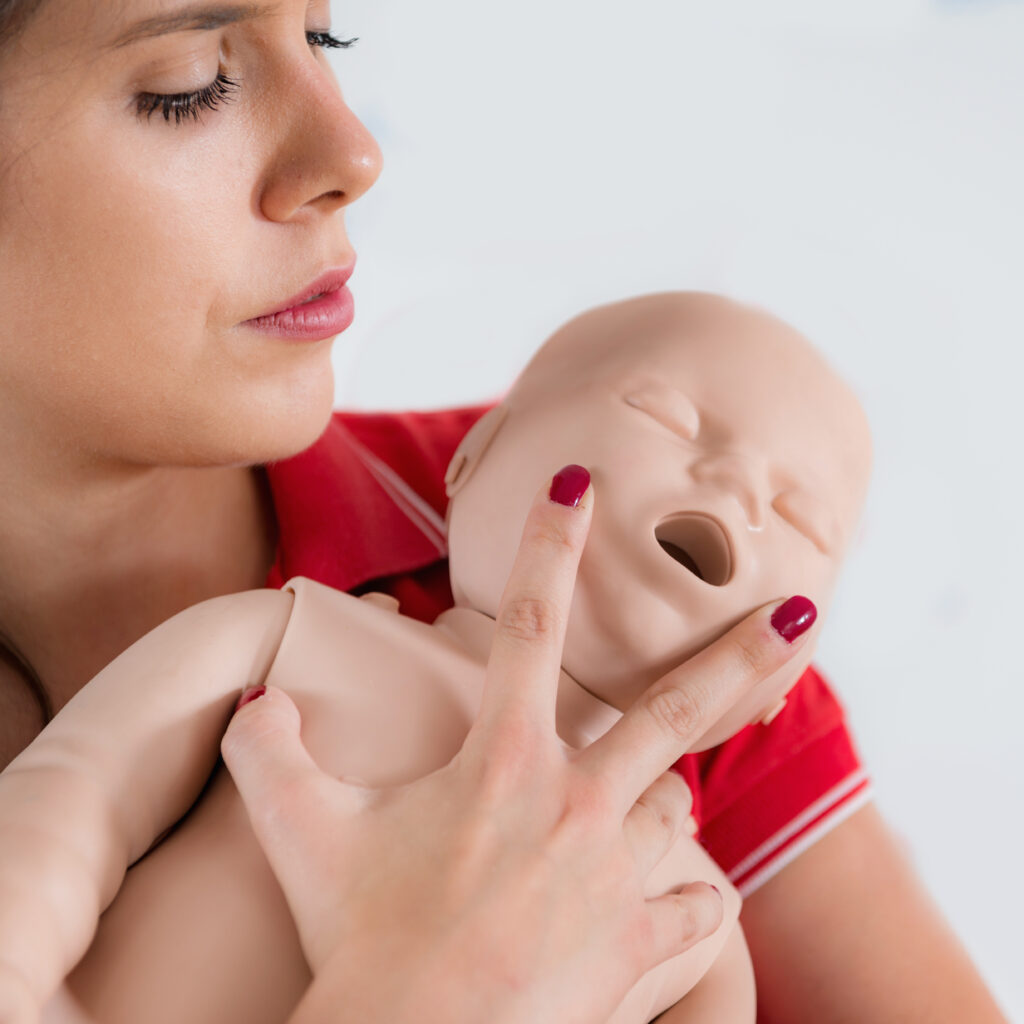
The standard qualification for childcare is HLTAID012 – Provide First Aid in an Education and Care Setting. This nationally recognised unit is delivered by registered training organisations and is designed specifically for childcare, learning and OSHC environments.
Skills and Knowledge Included in HLTAID012
HLTAID012 covers:
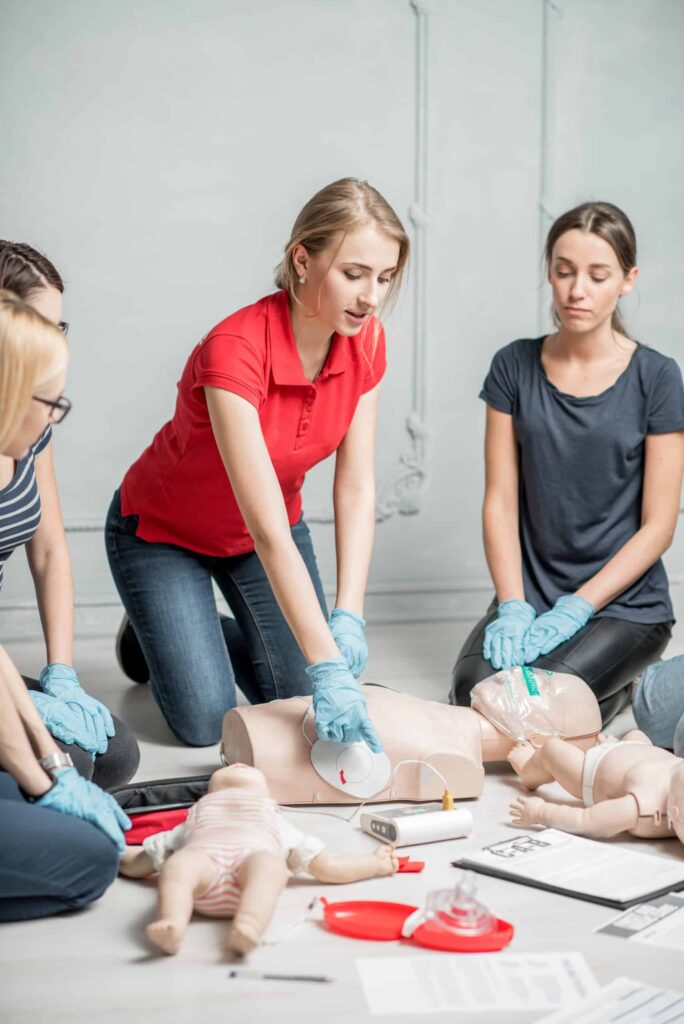
- Adult, child and infant CPR
- Asthma and anaphylaxis first aid
- Bleeding, burns, fractures and medical emergencies
- Infection control, incident response and reporting
Unlike general workplace first aid, it is written with education and care risks in mind.
Who Must Hold First Aid Qualifications in Childcare
Most educators—including full-time, part-time and casual staff—are expected to hold current approved first aid. Relief educators and family day care educators must also meet requirements relevant to their role and setting. In OSHC, where activities are often more physical, maintaining adequate first aid coverage is particularly important.
Minimum First Aid Requirements by Role
Role | Minimum first aid requirement |
Educator | |
Nominated supervisor | HLTAID012 + oversight of compliance |
OSHC staff | HLTAID012 or approved equivalent |
Family day care educator | HLTAID012 + first aid kit at residence |
CPR in Childcare: Renewal Rules and Best Practice
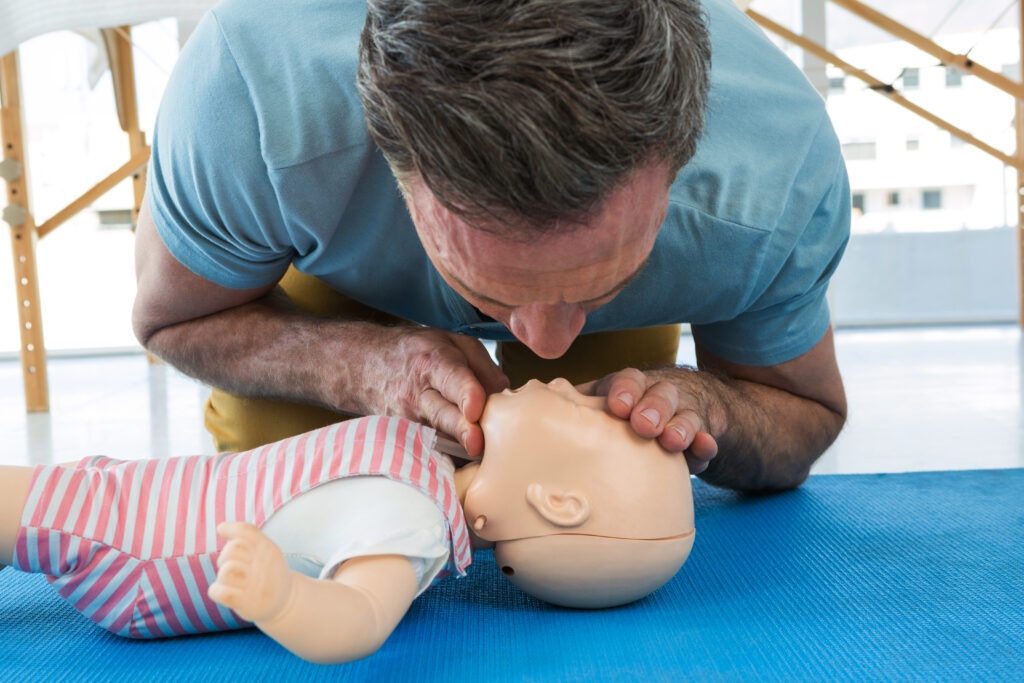
CPR is treated as a stand-alone requirement because it is a time-critical, high-risk skill. Australian regulators expect CPR to be refreshed every 12 months, even though the broader first aid certificate may be valid for three years.
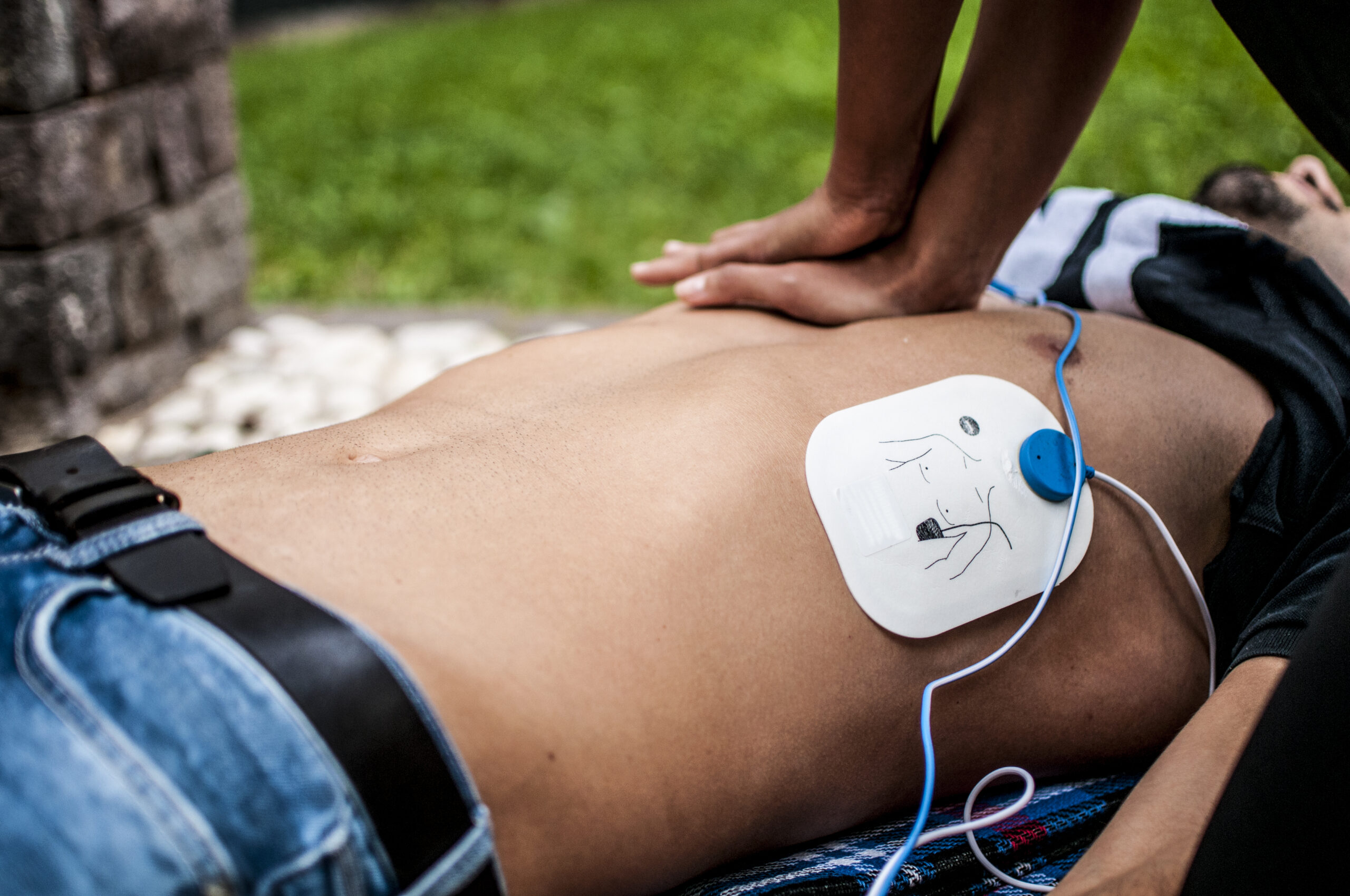
Annual CPR refreshers help educators maintain correct compression depth and rate, use AEDs confidently where available, and respond calmly in cardiac emergencies. Guidance aligns with recommendations from the Australian Resuscitation Council.
Infant and Child CPR Differences
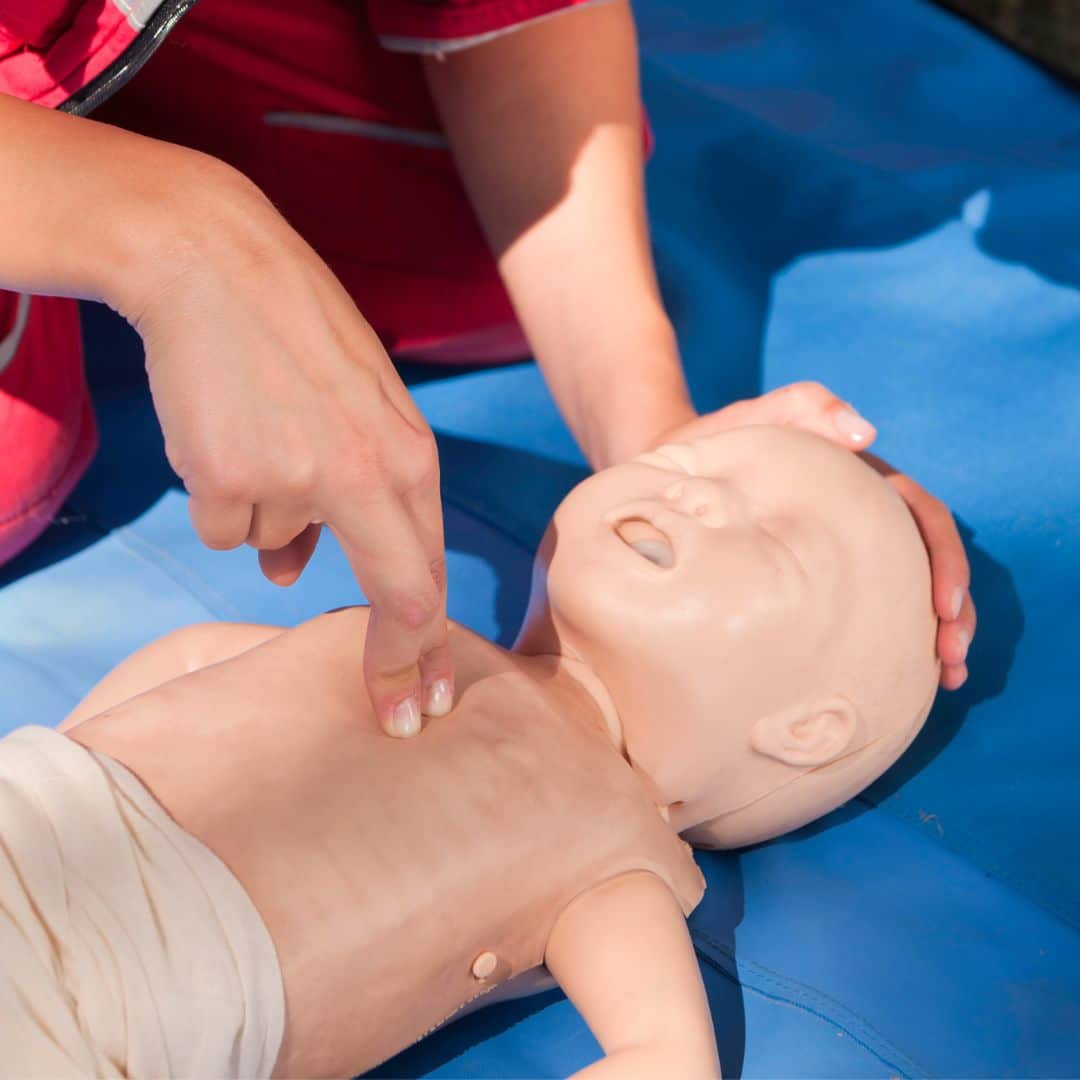
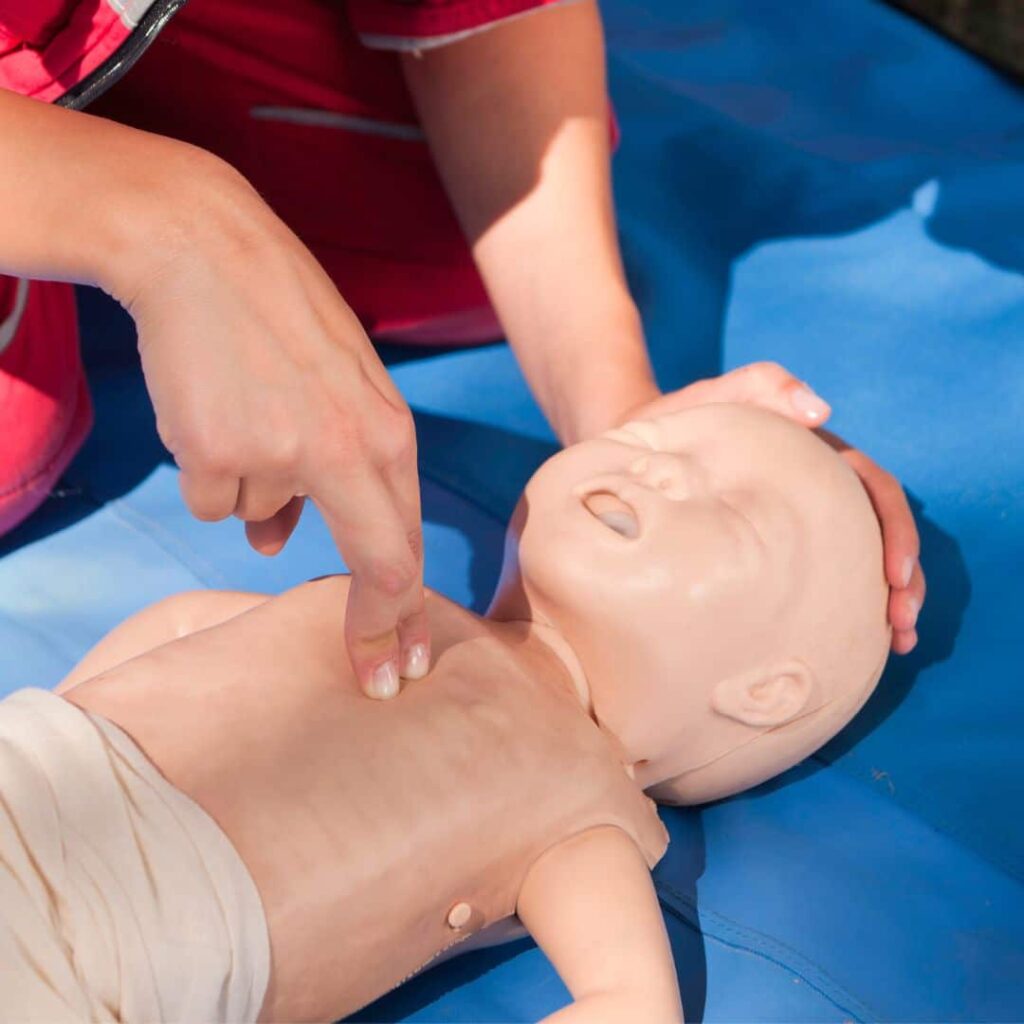
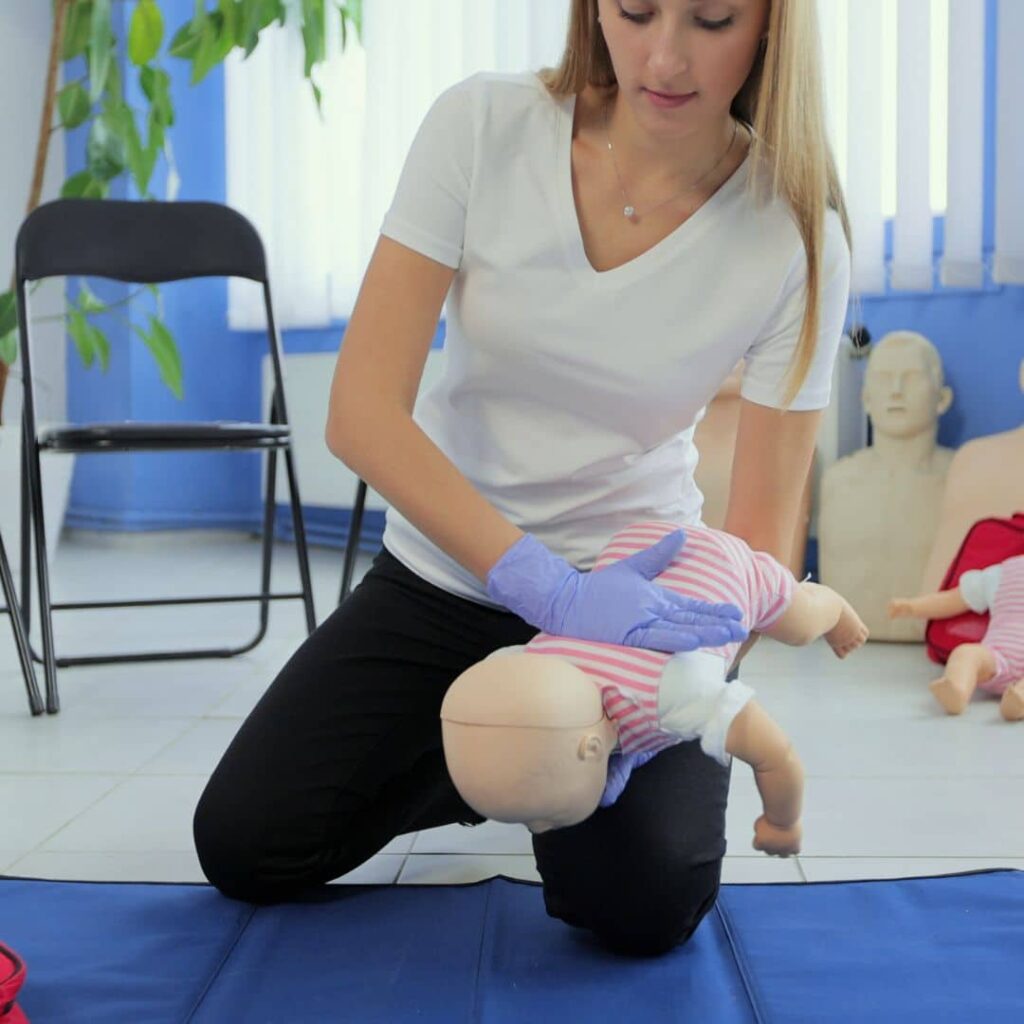
Childcare staff must demonstrate age-appropriate CPR. Infant CPR differs from adult CPR in hand placement, compression depth and technique—one of the key reasons education-specific training is essential.
Asthma and Anaphylaxis: Mandatory Skills for Childcare Staff
Anaphylaxis Readiness in Education and Care
All services must ensure staff can recognise and respond to anaphylaxis. This includes identifying symptoms, administering an adrenaline autoinjector, calling emergency services and monitoring the child until help arrives.
Asthma Response and Action Planning
Asthma is common in early childhood. Educators must be trained to recognise early warning signs, follow individual asthma action plans, and administer reliever medication correctly during an emergency.
Why HLTAID012 Is the Preferred Childcare Solution
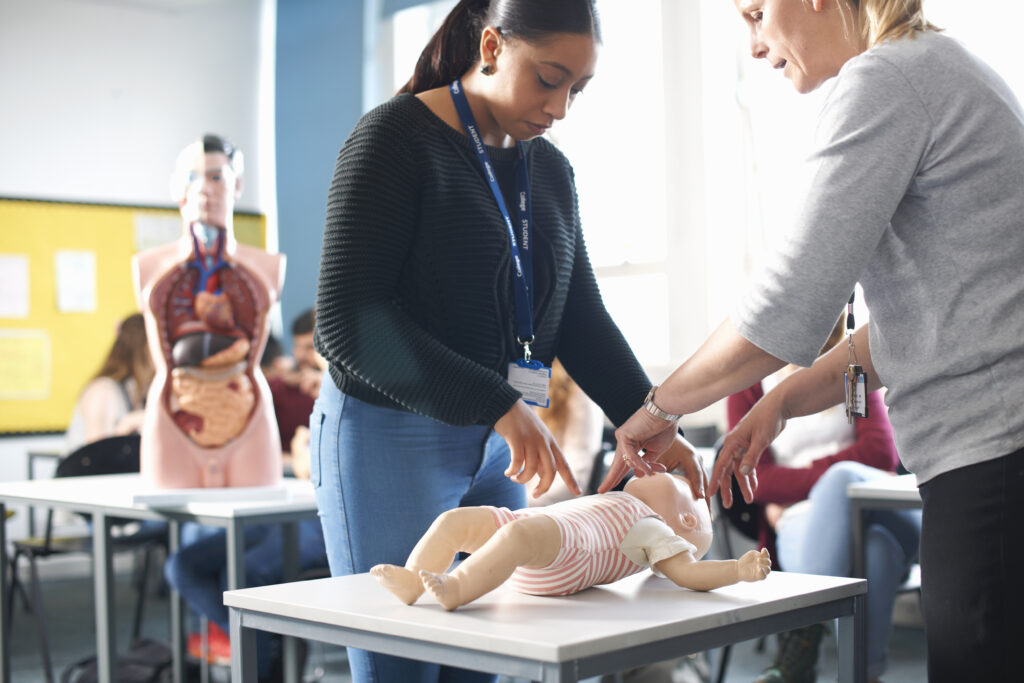
HLTAID012 is purpose-built for education and care settings. It focuses on first aid for infants and children, uses childcare-based scenarios, and integrates asthma and anaphylaxis management as core content rather than optional add-ons. For services, this reduces compliance complexity and ensures one comprehensive qualification meets multiple regulatory requirements.
First Aid Compliance in Outside School Hours Care (OSHC)
OSHC services must ensure trained first aiders are present at all times. While children are older, risks increase due to physical activity and excursions. HLTAID012 remains the safest option for meeting first aid compliance across OSHC programs.
Supervisors in OSHC are responsible for monitoring staff currency, maintaining first aid equipment, and ensuring incidents are managed and reported appropriately.
Leadership Responsibilities for Childcare First Aid
Nominated supervisors and managers play a central role in compliance. Responsibilities include tracking staff training and refresher requirements, ensuring coverage during leave and breaks, and preparing evidence for audits.
First Aid Records and Evidence Requirements
Evidence | Purpose |
Training register | Confirms staff qualifications |
CPR refresher records | Shows annual currency |
First aid kit checks | Demonstrates maintenance |
Incident reports | Confirms correct response |
Keeping First Aid Training Current
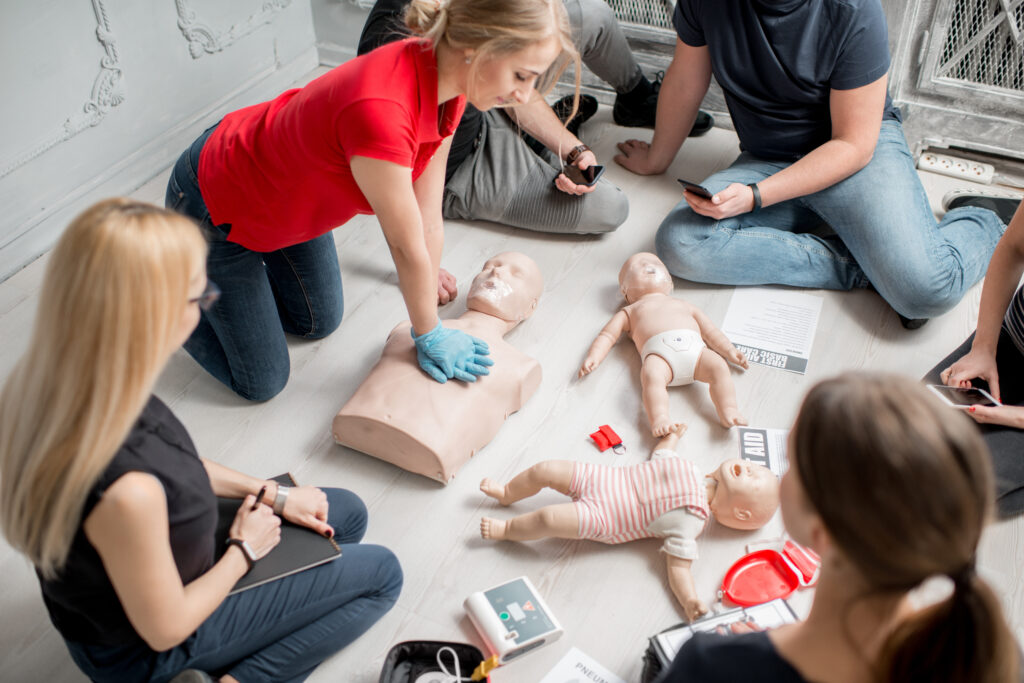
Training must be renewed as follows:
- CPR: every 12 months
- HLTAID012: every 3 years
- Asthma and anaphylaxis: refreshed in line with first aid renewal or service policy
Many services use compliance calendars and group training schedules to ensure no certificates lapse, reducing operational risk and audit pressure.
Keep your team compliant and confident. Book HLTAID012 Childcare First Aid training with First Aid Pro Adelaide and simplify refresher planning across your service.
What Happens When Services Fall Short
Failure to meet first aid requirements can result in compliance action from regulators, lower assessment and rating outcomes, and increased legal and reputational risk. Proactive training improves outcomes for children, builds educator confidence, and reassures families that safety is a priority.
Knowledge Check: Childcare First Aid Compliance Quiz
Test your understanding of ACECQA-aligned childcare first aid requirements.
1) Which qualification is the approved childcare first aid course?
2) How often should CPR be refreshed in childcare?
3) Who is responsible for first aid compliance at a service?
4) Which statement best reflects childcare compliance when relying on HLTAID011?
5) Which record is most useful during an audit to prove training currency?
Building Safer, Fully Compliant Education and Care Services
Meeting childcare first aid requirements is about more than ticking boxes. With the right training, current certification and clear workplace procedures, education and care services can respond quickly and effectively when a child needs help.
Strengthen safety and ensure compliance today. Enrol your team in the nationally recognised HLTAID012 Childcare First Aid course with First Aid Pro Adelaide and build confidence across your service.
References
- Australian Children’s Education and Care Quality Authority (ACECQA) – National Regulations and guidance
- Safe Work Australia – First Aid in the Workplace Code of Practice
- Australian Resuscitation Council guidelines
Frequently Asked Questions
What first aid qualification do childcare educators need?
Most early childhood educators require HLTAID012 – Provide First Aid in an Education and Care Setting, plus annual CPR refreshers.
How often must childcare staff renew CPR?
Every 12 months, in line with Australian Resuscitation Council guidance.
Is HLTAID011 enough for childcare?
Generally no. HLTAID011 is general first aid and may not meet ACECQA expectations for education and care settings.
Do OSHC staff need childcare-specific first aid?
Yes. OSHC services are expected to meet the same first aid compliance standards.
Who checks first aid compliance?
State and territory regulatory authorities administer the National Quality Framework and assess compliance during visits and audits.