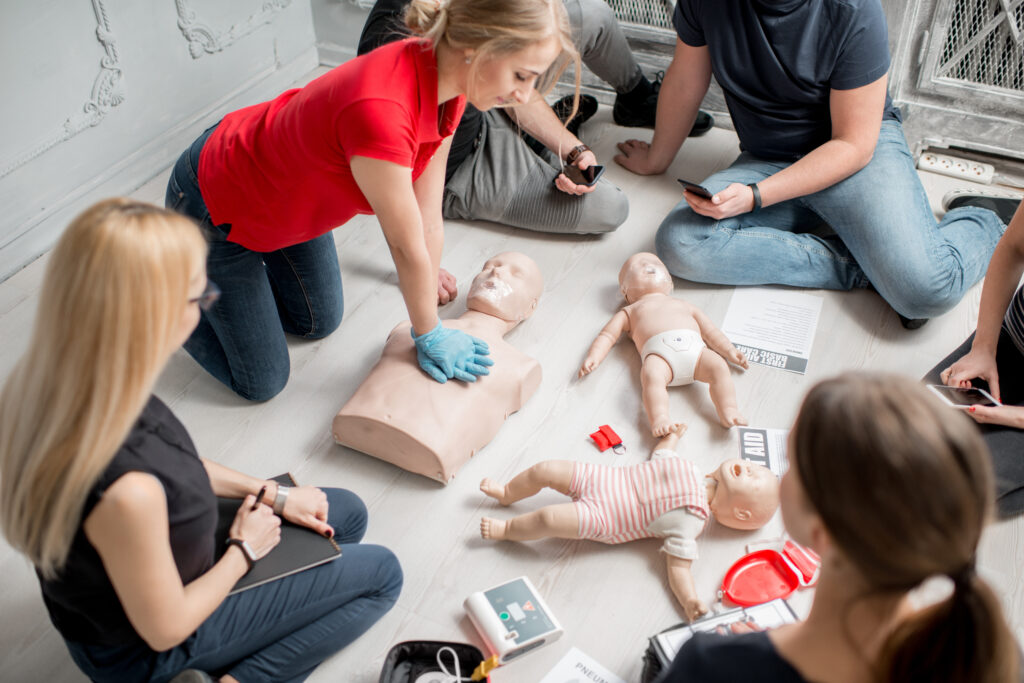
First aid is the immediate care provided to someone who is injured or becomes suddenly unwell before professional medical help arrives. In Australia, these first aid skills can save lives — and in Adelaide, where workplaces, schools, sporting environments, and everyday activities carry real risk, first aid knowledge combined with CPR training is not optional; it is essential.
Key Takeaways
Point | Detail |
Core qualification | HLTAID011 Provide First Aid is the nationally recognised standard |
CPR renewal | Recommended annually by the Australian Resuscitation Council |
Childcare requirement | HLTAID012 required under the National Quality Framework |
Emergency number | Always call 000 first in a life-threatening emergency |
Provider | First Aid Pro offers nationally accredited first aid training in Adelaide |
Course formats | In-person, online, and blended learning options available |
Why First Aid Skills with CPR Training Matters in Adelaide
Adelaide is a vibrant and growing city, with busy workplaces, schools, construction sites, and recreational environments where medical emergencies can happen without warning. From sporting injuries to cardiac events, the need for immediate response is constant.
Across Australia, cardiac arrest affects more than 25,000 people each year. Survival rates increase significantly when CPR is performed within the first few minutes. Ambulance response times — even in metropolitan Adelaide — can range from eight to fourteen minutes. That critical window is where trained bystanders make the difference.
Beyond cardiac emergencies, incidents such as workplace injuries, allergic reactions, choking, and heat-related illness are common. Safe Work Australia consistently highlights that early and effective first aid reduces both injury severity and fatal outcomes.
There are also legal responsibilities. Under South Australia’s Work Health and Safety laws, employers must ensure appropriate first aid arrangements are in place. In childcare and education settings, the National Quality Framework mandates specific first aid qualifications for staff.
How First Aid Training Prepares You for Real Emergencies
There is a clear difference between theoretical knowledge and practical capability. Accredited first aid training builds confidence through hands-on experience, allowing participants to act quickly and effectively in high-pressure situations.
A core framework taught in all courses is the DRSABCD action plan:
Danger — Response — Send for help — Airway — Breathing — CPR — Defibrillation
This structured approach ensures no critical step is missed when responding to an emergency.
Who Should Complete a First Aid and CPR Course in Adelaide?
First aid training is valuable for everyone, but it is especially important for people who may need to respond quickly and confidently when an emergency happens at home, at work, at school, or in the community.
Parents, carers, and grandparents
Teachers, educators, and childcare workers
Workplace health and safety representatives
Sports coaches and fitness professionals
Construction, hospitality, and retail workers
Community volunteers and club members
Ready to build life-saving skills? Enrol in a nationally recognised first aid course with First Aid Pro in Adelaide today. Flexible course options are available to suit your schedule.
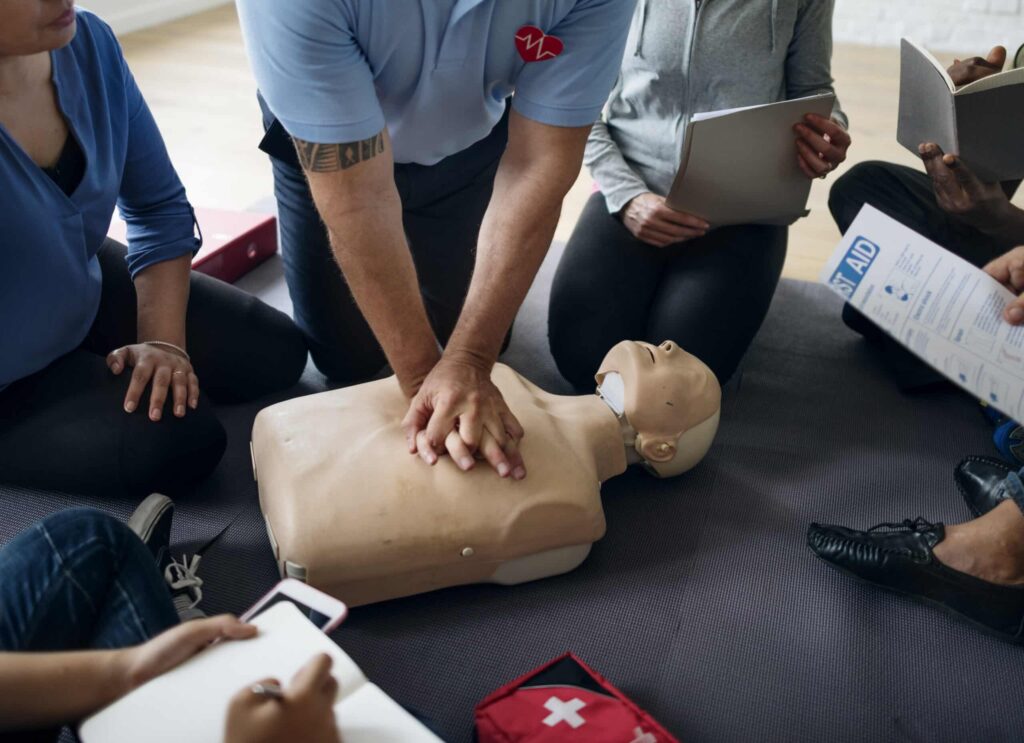
Core First Aid Skills You Will Learn in an Adelaide First Aid Course
A high-quality first aid course in Adelaide covers far more than just CPR. The HLTAID011 Provide First Aid qualification delivers a comprehensive set of emergency response skills.
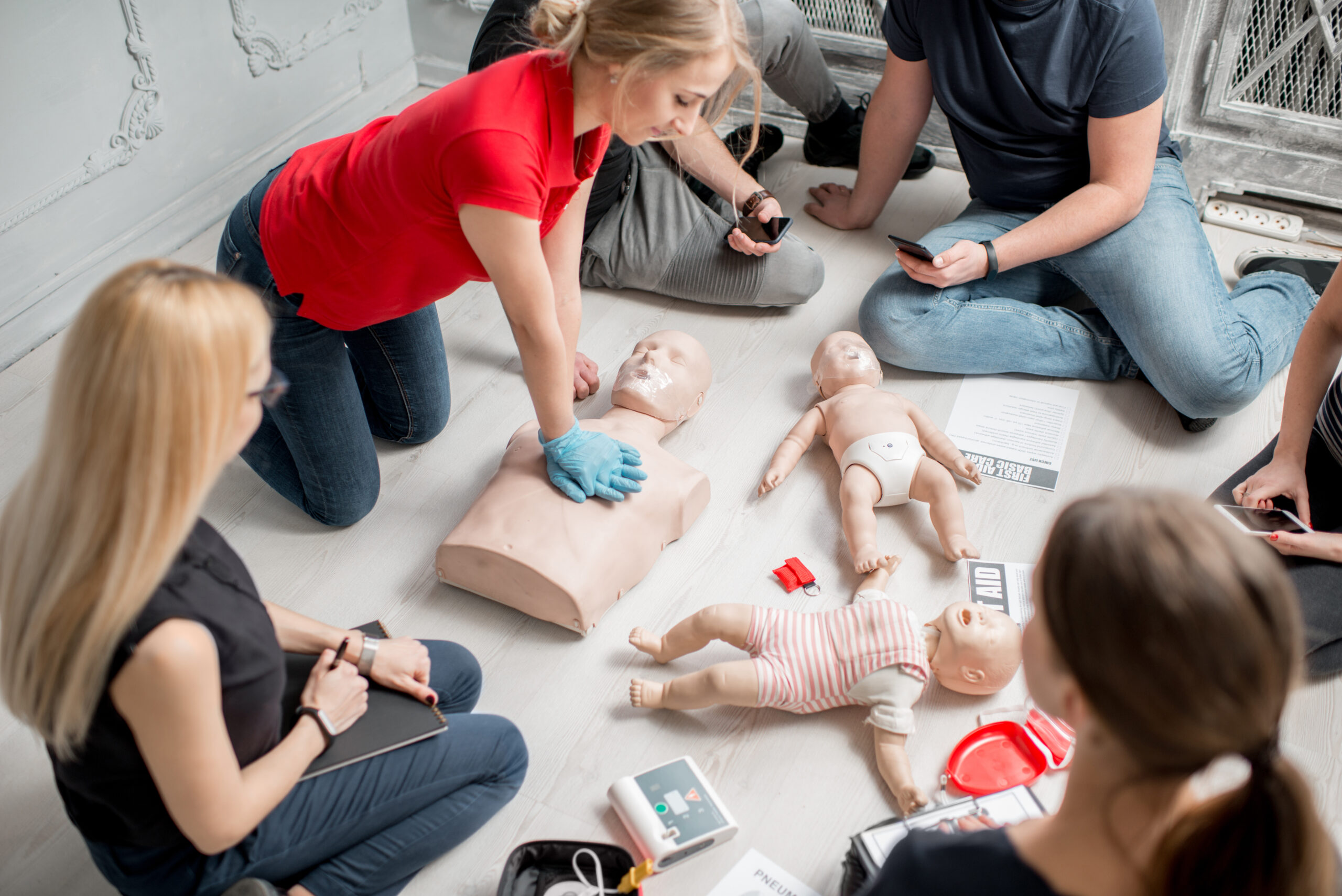
CPR Training in Adelaide — How to Perform Cardiopulmonary Resuscitation
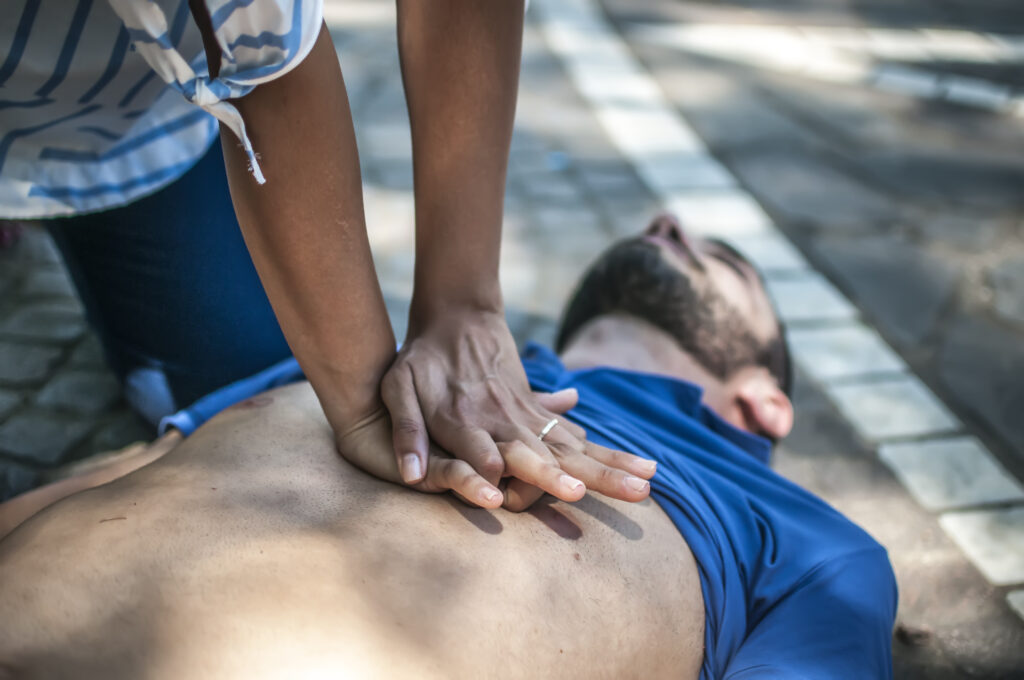
CPR is one of the most critical first aid skills. When the heart stops, CPR helps maintain blood flow to the brain and vital organs until advanced care arrives.
Current Australian Resuscitation Council guidelines recommend:
Patient | Compression Depth | Rate | Ratio |
Adult | 5–6 cm | 100–120 per minute | 30:2 |
Child (1–8 yrs) | One third chest depth | 100–120 per minute | 30:2 |
Infant (under 1 yr) | One third chest depth | 100–120 per minute | 30:2 |
If an Automated External Defibrillator (AED) is available, it should be used as soon as possible. AEDs provide voice prompts and are commonly found in public spaces across Adelaide.
The standalone CPR course — HLTAID009 Provide Cardiopulmonary Resuscitation — should be refreshed annually.
Bleeding and Wound Care — Critical First Aid Skills
Severe bleeding can become life-threatening quickly. Effective management includes:
- Applying firm, direct pressure using a clean dressing
- Maintaining pressure continuously for at least ten minutes
- Elevating the injured area if possible
- Using a tourniquet only for life-threatening bleeding
- Keeping the casualty calm and warm
If an object is embedded in a wound, do not remove it — stabilise it and wait for emergency services.
Choking First Aid — Responding Quickly and Safely
Choking requires immediate intervention.
For adults and children:
- Encourage coughing
- Deliver up to five back blows
- Follow with up to five chest thrusts
- Repeat until the airway clears or the person becomes unconscious
- Call 000 immediately
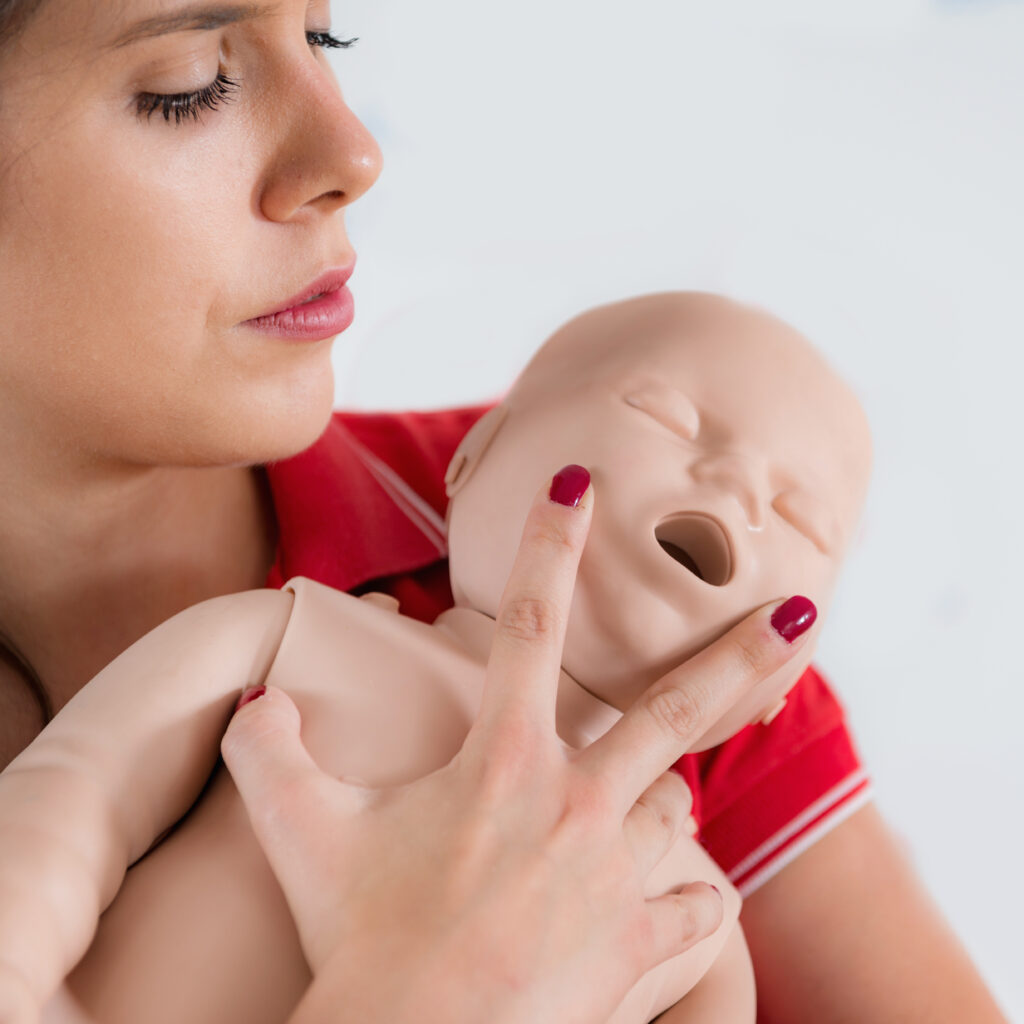
For infants:
- Use back blows and chest thrusts only
- Never perform abdominal thrusts
Managing Fractures and Soft Tissue Injuries
Injuries such as fractures and sprains are common in active environments.
Injury Type | Signs | First Aid |
Fracture | Severe pain, deformity, inability to move | Immobilise and call 000 |
Sprain/strain | Swelling, bruising, pain | RICE (Rest, Ice, Compression, Elevation) |
Open fracture | Bone visible, bleeding | Cover wound and call 000 |
Do not attempt to realign bones — keep the limb stable.
Anaphylaxis and Severe Allergic Reactions
Anaphylaxis is a rapid and life-threatening condition.
Signs include:
- Difficulty breathing
- Swelling of the face or throat
- Collapse or dizziness
- Hives or rash
First aid steps:
- Lay the person flat
- Administer an adrenaline auto-injector (EpiPen)
- Call 000 immediately
- Repeat after five minutes if needed
- Begin CPR if required
Seizure First Aid
During a seizure:
- Remove hazards from the area
- Cushion the head
- Do not restrain the person
- Do not place anything in their mouth
- Time the seizure
- Place in recovery position afterwards
Call 000 if the seizure lasts longer than five minutes.
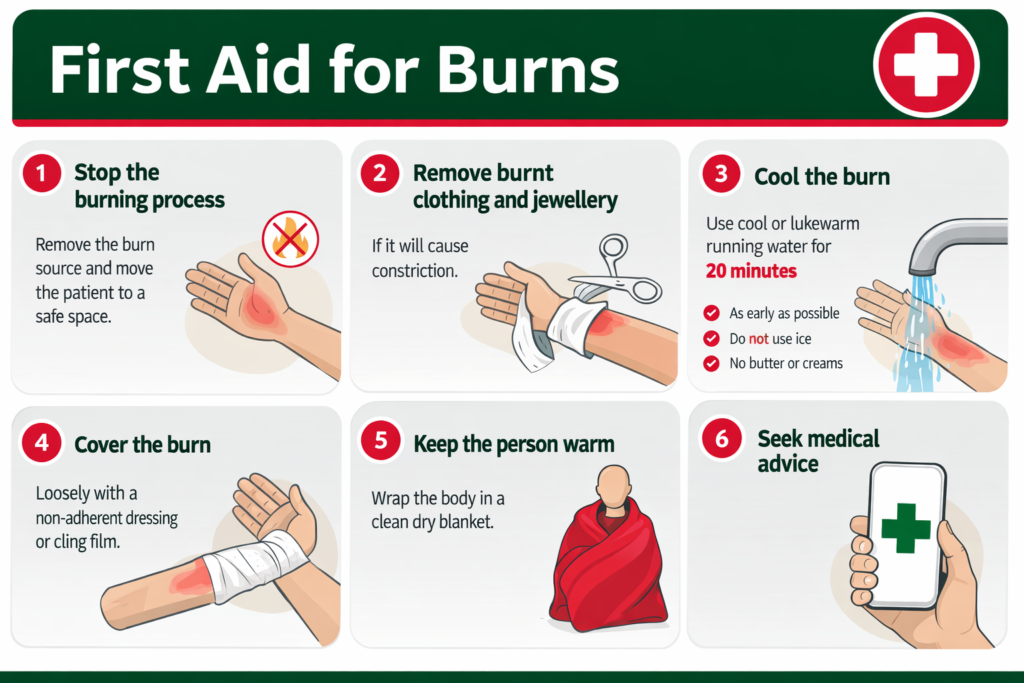
Burns First Aid — What to Do Immediately
Burns are common in Australian conditions.
The correct approach:
- Cool the burn under running water for 20 minutes
- Do not use ice or home remedies
- Remove jewellery and clothing near the burn
- Cover with a sterile non-stick dressing
Seek medical attention for serious burns or sensitive areas.
Snake Bite First Aid in Australia
Australia’s venomous snakes require specific treatment:
- Keep the person still and calm
- Apply pressure immobilisation bandaging
- Splint the limb
- Do not wash the bite
- Call 000 immediately
Never cut or suck the wound.
Diabetic Emergencies — Low Blood Sugar Response
Hypoglycaemia symptoms include:
- Shaking and sweating
- Confusion
- Pale skin
If conscious:
- Give fast-acting sugar (e.g. juice, glucose tablets)
If unconscious:
- Call 000
- Place in recovery position
Heat Exhaustion vs Heatstroke
Condition | Signs | First Aid |
Heat exhaustion | Sweating, weakness, nausea | Cool, hydrate, rest |
Heatstroke | High temperature, confusion, dry skin | Call 000, cool rapidly |
Heatstroke is a medical emergency.
Poisoning Emergencies
Call the Poisons Information Centre on 13 11 26 for advice.
Do not induce vomiting.
Call 000 if the person is unconscious.
Nationally Recognised First Aid Courses in Adelaide
Code | Course | Who It’s For | Renewal |
Provide First Aid | General public, workplaces | 3 years | |
Education & Care | Childcare, educators | 3 years | |
CPR | Everyone | Annually | |
Remote First Aid | Remote workers | 3 years |
All courses are delivered by Registered Training Organisations (RTOs) and recognised nationally.
Looking to get qualified? First Aid Pro delivers nationally recognised first aid training across Adelaide with flexible delivery options.
Choosing the Right First Aid Course in Adelaide
When selecting a provider, look for:
- National accreditation (RTO status)
- Experienced trainers
- Mandatory practical assessment
- Flexible delivery formats
- Clear certification documentation
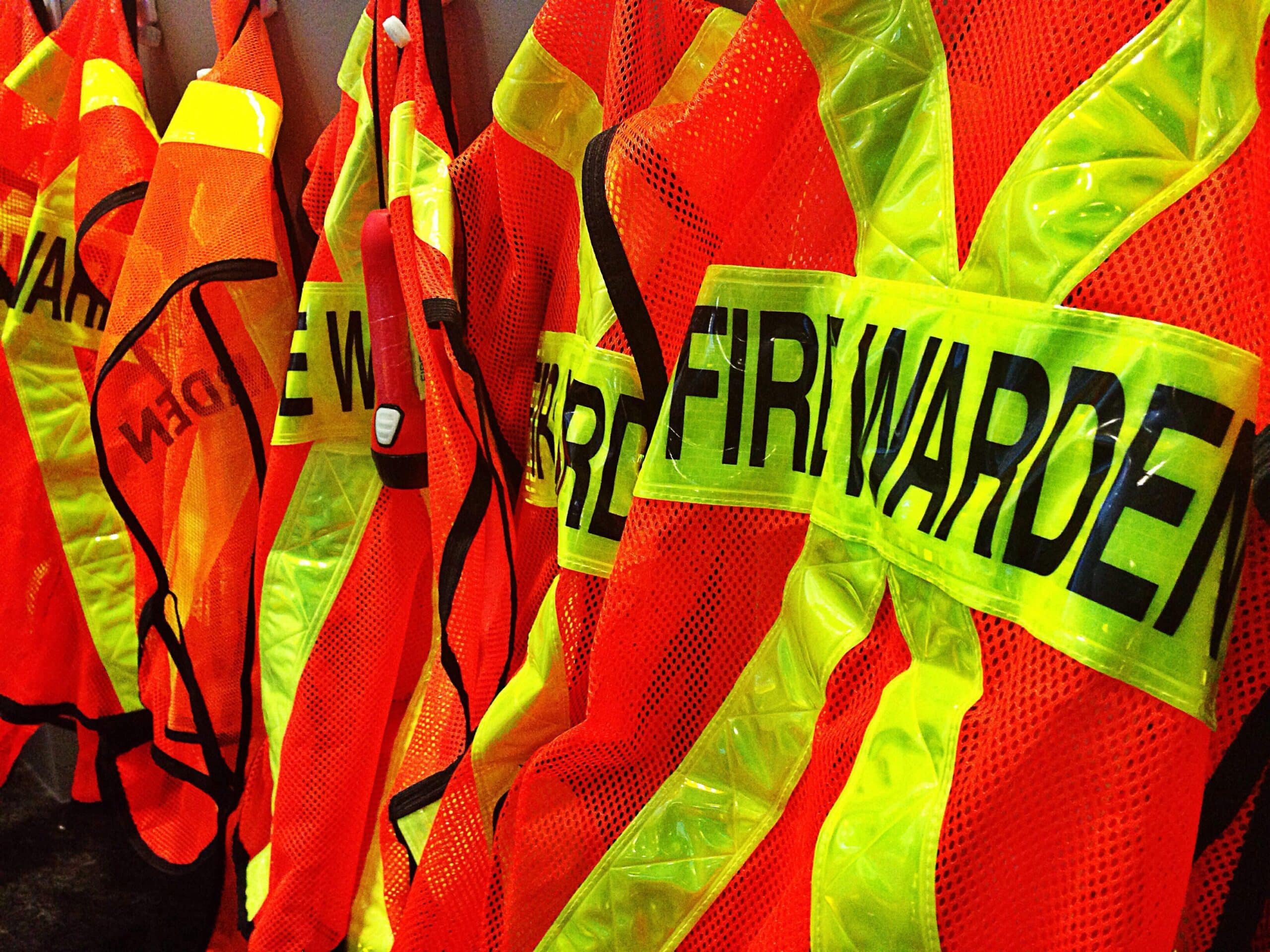
Workplace First Aid Requirements in South Australia
Businesses must:
- Provide appropriate first aid equipment
- Ensure trained personnel are available
- Maintain accessible first aid facilities
Recommended ratios:
- Low risk: 1 per 25 workers
- High risk: 1 per 10 workers
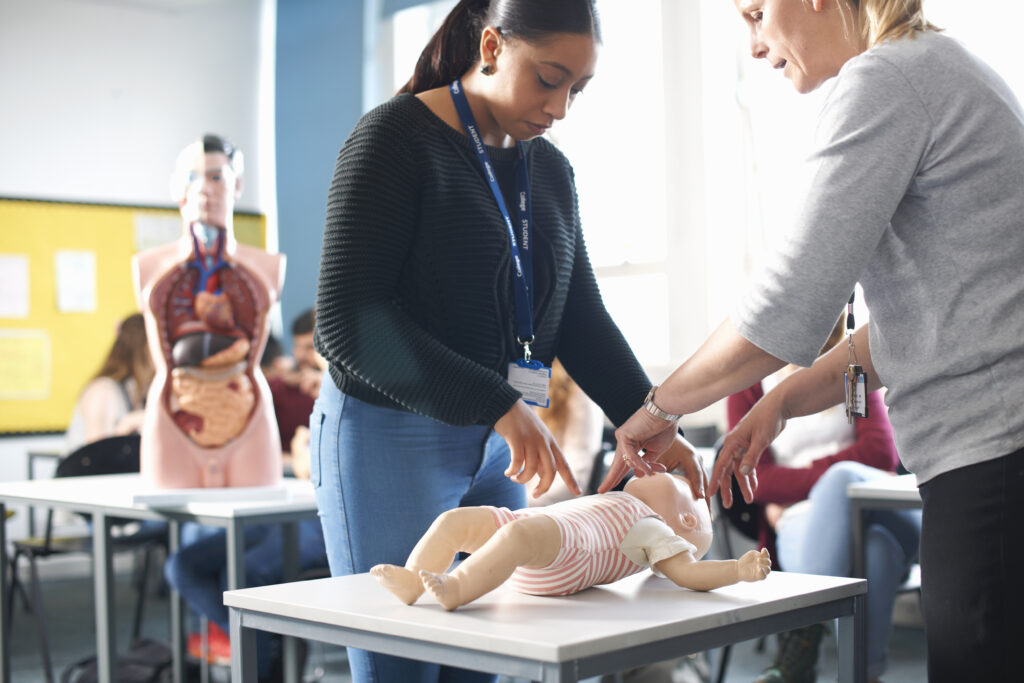
Childcare First Aid Requirements in Adelaide
Under national regulations:
- A qualified HLTAID012 educator must always be present
- CPR must be renewed annually
- Anaphylaxis and asthma training is mandatory
First Aid Refresher Training in Adelaide
First aid guidelines change regularly. Skills also decline over time.
- CPR should be refreshed annually
- First aid qualifications should be renewed every three years
Many Adelaide workplaces now require annual CPR updates.
Immediate First Aid Actions You Can Take
In an emergency, simple actions taken quickly can help protect life, reduce harm, and support the casualty until professional medical help arrives.
Call 000 in emergencies
Ensure scene safety
Follow DRSABCD
Stay with the casualty
Enrol with First Aid Pro Adelaide today and gain the confidence, skills, and nationally recognised certification to respond when it matters most.
How Much Do You Know?
Test your first aid knowledge with this quick quiz. Select one answer for each question, then click Check Answers to see your score.
1. How long should you cool a burn?
2. CPR ratio for adults?
3. What NOT to do during a seizure?
4. Poisons hotline?
5. Snake bite technique?
References
- Australian Resuscitation Council. (2024). ARC Guidelines.
- Safe Work Australia. (2023). First Aid in the Workplace Code of Practice.
- Australian and New Zealand Burns Association. (2023). First Aid Fact Sheet.
- Queensland Government — Department of Education. (2024). Education and Care Services — First Aid Requirements.
- Australian Skills Quality Authority (ASQA). (2024). Training.gov.au — HLT Health Training Package.
- Poisons Information Centre Australia. 13 11 26 — 24-hour emergency advice.
- First Aid Pro. Adelaid -. First Aid Courses Adelaide.
Frequently Asked Questions
What is the best general first aid course in Adelaide?
HLTAID011 Provide First Aid is the most comprehensive, and widely recognised basic course.
How often should I renew my first aid certificate?
Every three years, with CPR refreshed annually.
Can I complete first aid training online?
Yes, via blended learning with practical assessment required or 100% online via Zoom with practical assessment required.
What is the difference between HLTAID011 and HLTAID012?
HLTAID012 includes more paediatric and childcare-specific training.
Is first aid training mandatory for workplaces?
Yes, under WHS laws, businesses must provide trained first aiders and equipment.