Diabetes is a chronic condition affecting how the body manages blood glucose levels — and knowing how to respond to a diabetic emergency could be the difference between life and death. Across Australia, diabetic emergencies are on the rise. Ambulance Victoria alone attended more than 41,000 cases of hypoglycaemia and hyperglycaemia over a seven-year period, with call volumes increasing year on year. Here in South Australia, SA Ambulance Service regularly responds to diabetes-related emergencies across metropolitan Adelaide and regional communities alike. With more than 1.9 million Australians currently living with diabetes — and over 300 new diagnoses recorded every day — immediate and effective first aid has never been more important.
Whether the emergency involves hypoglycaemia (dangerously low blood sugar) or hyperglycaemia (elevated blood sugar), knowing what to do and acting without delay can prevent severe complications or death. This article explains what diabetes is, how to identify the warning signs of a diabetic emergency, and the critical first aid steps to follow in line with current Australian guidelines.
First Aid Pro offers nationally recognised training courses across Adelaide and South Australia, equipping everyday people with the skills to respond confidently to medical emergencies. Enrol in a First Aid Course today and be prepared when it counts most.
Key Takeaways
- Diabetes is a growing health concern across South Australia, with over 1.9 million Australians currently living with the condition and more than 300 new diagnoses recorded every day — making first aid awareness more important than ever.
- Two types of diabetic emergency require different responses — hypoglycaemia (low blood sugar) calls for immediate sugar intake in a conscious person, while hyperglycaemia (high blood sugar) requires hydration, medical guidance, and urgent care if symptoms escalate.
- Always call Triple Zero (000) without delay if a person with diabetes loses consciousness, cannot swallow, experiences a seizure, or fails to improve following initial first aid treatment.
- Preparation saves lives — people living with diabetes in Adelaide are encouraged to carry fast-acting glucose at all times, wear medical identification, and ensure family members, colleagues, and carers know how to respond in an emergency.
- First aid training gives you the confidence to act — enrolling in a nationally recognised First Aid Pro course in Adelaide means you are equipped to recognise the warning signs of a health emergency and respond effectively before paramedics arrive.
What Every Adelaide First Aider Should Understand About Diabetes
Diabetes Explained
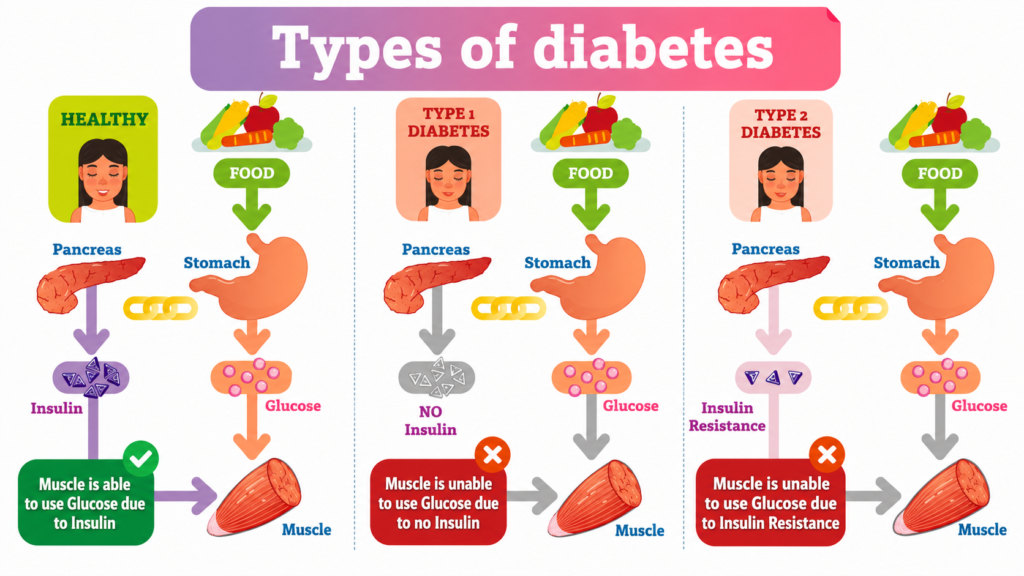
Diabetes is a chronic health condition that disrupts the body’s ability to regulate blood glucose (sugar) levels. Under normal circumstances, carbohydrates consumed through food are broken down into glucose and absorbed into the bloodstream. The pancreas then releases insulin — a hormone that acts as a key, allowing glucose to enter the body’s cells and be converted into energy.
In people living with diabetes, this process breaks down in one of two ways:
- The body produces little or no insulin, or
- The body cannot use insulin effectively (known as insulin resistance)
The result is an accumulation of glucose in the bloodstream. Over time, persistently elevated blood glucose can damage blood vessels, nerves, kidneys, and eyes, while also significantly increasing the risk of heart disease.
The Main Types of Diabetes
Type 1 Diabetes An autoimmune condition in which the immune system attacks and destroys the insulin-producing cells in the pancreas. People with type 1 diabetes produce little or no insulin and require lifelong insulin therapy — either through daily injections or an insulin pump. While it most commonly develops in childhood or early adulthood, type 1 diabetes can emerge at any age.
Type 2 Diabetes The most prevalent form of diabetes, type 2 is closely linked to genetic predisposition and lifestyle factors. The body either becomes resistant to insulin or fails to produce sufficient quantities. Though it predominantly affects adults, rates among younger Australians are increasing. Management typically involves lifestyle modification, and may progress to include oral medication or insulin therapy.
Gestational Diabetes This form of diabetes develops during pregnancy when the body cannot meet elevated insulin demands. It generally resolves after delivery, but it substantially increases the mother’s lifetime risk of developing type 2 diabetes.
Other Forms Less common types include monogenic diabetes (caused by a single gene mutation), diabetes resulting from pancreatic disease, and medication-induced diabetes.
Recognising Diabetes: Common Symptoms
People living with unmanaged or newly diagnosed diabetes may experience several noticeable warning signs.
Why Blood Glucose Management Matters
Effective blood glucose management — combining diet, physical activity, medication where required, and regular monitoring — is essential to preventing both short- and long-term complications.
Diabetes in South Australia and Across the Nation
Diabetes is one of Australia’s fastest-growing chronic diseases, with more than 1.9 million Australians currently affected. In South Australia, Diabetes SA provides support, education, and resources to thousands of people living with the condition across Adelaide and regional communities. Early diagnosis, consistent management, and access to quality healthcare are critical to avoiding serious complications — and first aid knowledge plays an important supporting role.
Key facts to keep in mind:
- More than 1.5 million Australians live with diagnosed diabetes, according to Diabetes Australia
- Diabetic emergencies are not limited to high blood sugar — dangerously low levels are equally serious and can escalate rapidly
- Prompt first aid response can be life-saving

Understanding Prediabetes
Prediabetes is a condition in which blood glucose levels are elevated above the normal range but have not yet reached the threshold for a type 2 diabetes diagnosis. It is a critical warning sign: without meaningful lifestyle intervention, approximately one in three people with prediabetes will develop type 2 diabetes within ten years.
Prediabetes typically presents with no obvious symptoms and is most often identified through blood tests — including fasting glucose, HbA1c, or an oral glucose tolerance test.
Risk Factors
All risk factors associated with type 2 diabetes are relevant, with particular attention to:
- Being overweight or obese
- A physically inactive lifestyle
- High blood pressure or abnormal cholesterol levels
- A family history of diabetes
- A personal history of gestational diabetes or polycystic ovary syndrome (PCOS)
- Certain ethnic backgrounds with higher genetic predisposition
Prevalence in Australia
Nearly one in six Australian adults over the age of 25 — more than two million people — are estimated to have prediabetes. This represents a significant risk for both future type 2 diabetes and cardiovascular disease.
Screening and Prevention
Screening: Those considered at higher risk are encouraged to undergo regular blood glucose testing. The Australian Type 2 Diabetes Risk Assessment Tool (AusDRisk) is widely recommended as an initial screening step, followed by formal pathology testing where indicated. GPs across Adelaide can facilitate this process.
Prevention through lifestyle change is highly effective and includes:
- Achieving modest weight loss (five to ten percent of body weight)
- Adopting a balanced, nutritious diet
- Engaging in regular physical activity (a minimum of 150 minutes per week)
- Managing blood pressure and cholesterol
- Quitting smoking
Structured lifestyle programs offer the most effective outcomes. Medication such as metformin may be considered in some circumstances on medical advice, though it is generally less effective than sustained lifestyle change alone.
Diabetes Types at a Glance: A First Aid Perspective
Type | Cause | First Aid Consideration |
Type 1 Diabetes | Autoimmune destruction of insulin-producing pancreatic cells | Requires insulin therapy; emergencies often involve low blood sugar |
Type 2 Diabetes | Insulin resistance or insufficient insulin production | Most common in adults; both high and low blood sugar emergencies are possible |
Gestational Diabetes | Develops during pregnancy | Risk of elevated blood sugar; emergencies are less common but possible |
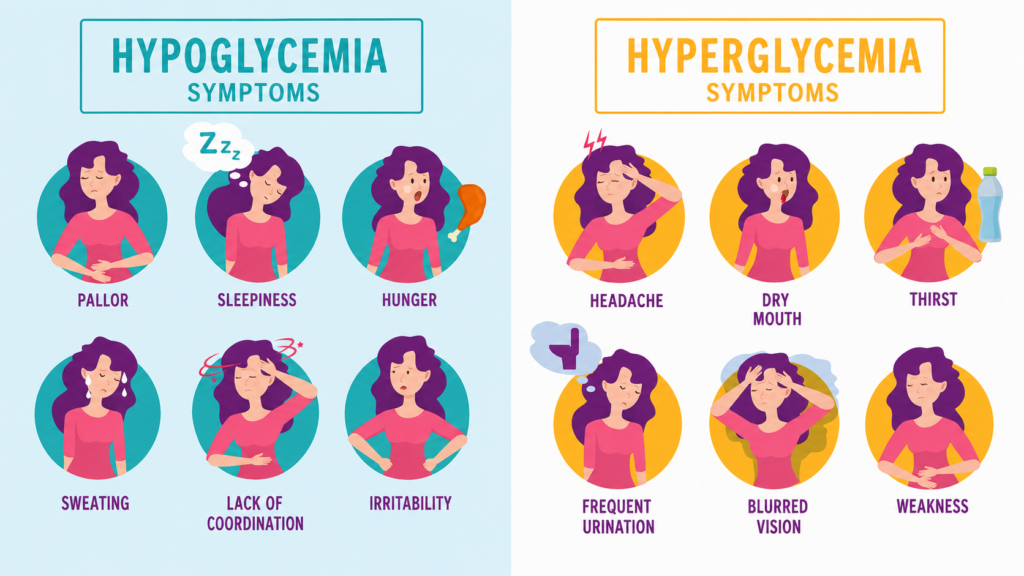
Recognising High and Low Blood Sugar: What to Look For
Hyperglycaemia (High Blood Sugar) — Definition and Signs
Hyperglycaemia refers to blood glucose levels that exceed the normal range. While specific targets vary between individuals, it is generally defined as:
- Fasting blood glucose (after eight hours without food): above 6.9–7.0 mmol/L
- Post-meal blood glucose (two hours after eating): above 10.0–11.1 mmol/L
- Severe hyperglycaemia is typically considered to be above 15 mmol/L
Causes: In people with diabetes, hyperglycaemia is most commonly triggered by insufficient insulin, missed medication doses, illness or infection, physical or emotional stress, or excessive carbohydrate consumption.
Symptoms include:
- Extreme thirst
- Frequent urination
- Fatigue and drowsiness
- Blurred vision
- Dry mouth
- Unintended weight loss
- Recurrent infections
Risks: Sustained hyperglycaemia causes progressive damage to nerves, kidneys, eyes, and the cardiovascular system. At very high levels, it can result in diabetic ketoacidosis (DKA) — a potentially life-threatening complication most commonly seen in type 1 diabetes.
Hypoglycaemia (Low Blood Sugar) — Definition and Signs
Hypoglycaemia refers to blood glucose levels that fall below 4.0 mmol/L, with most treatment guidelines recommending action at or below 3.9 mmol/L.
Causes: Most commonly a consequence of insulin therapy or certain diabetes medications. Contributing factors can include skipping meals, excessive alcohol consumption, or more physical activity than anticipated.
Symptoms include:
- Shakiness and trembling
- Sweating
- Hunger
- Dizziness or headache
- Rapid or irregular heartbeat
- Irritability or mood changes
- Confusion or difficulty concentrating
- Weakness and fatigue
Severe symptoms:
- Clumsiness or difficulty speaking
- Seizures
- Loss of consciousness
Risks: Hypoglycaemia can develop very quickly and must be treated as a medical emergency. Because the brain relies on glucose as its primary fuel, untreated low blood sugar can lead to coma or death.
When to Call for Emergency Help
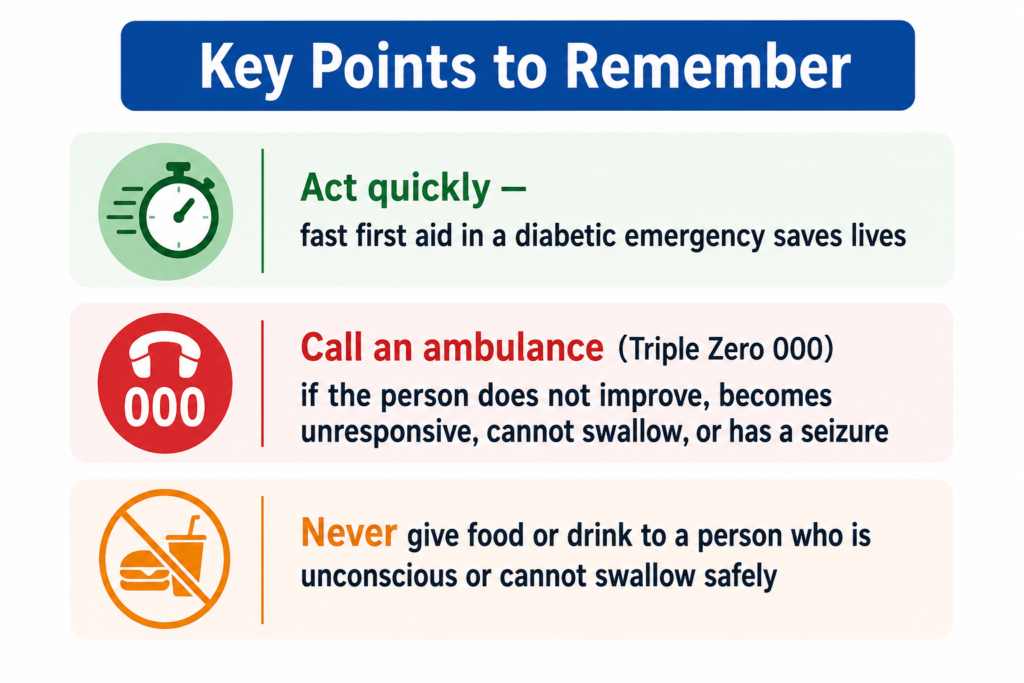
For hyperglycaemia: Call Triple Zero (000) immediately if the person is vomiting, unable to swallow, confused, or showing signs of diabetic ketoacidosis (DKA).
For hypoglycaemia: Call Triple Zero (000) if the person does not respond to initial treatment, loses consciousness, or experiences a seizure.
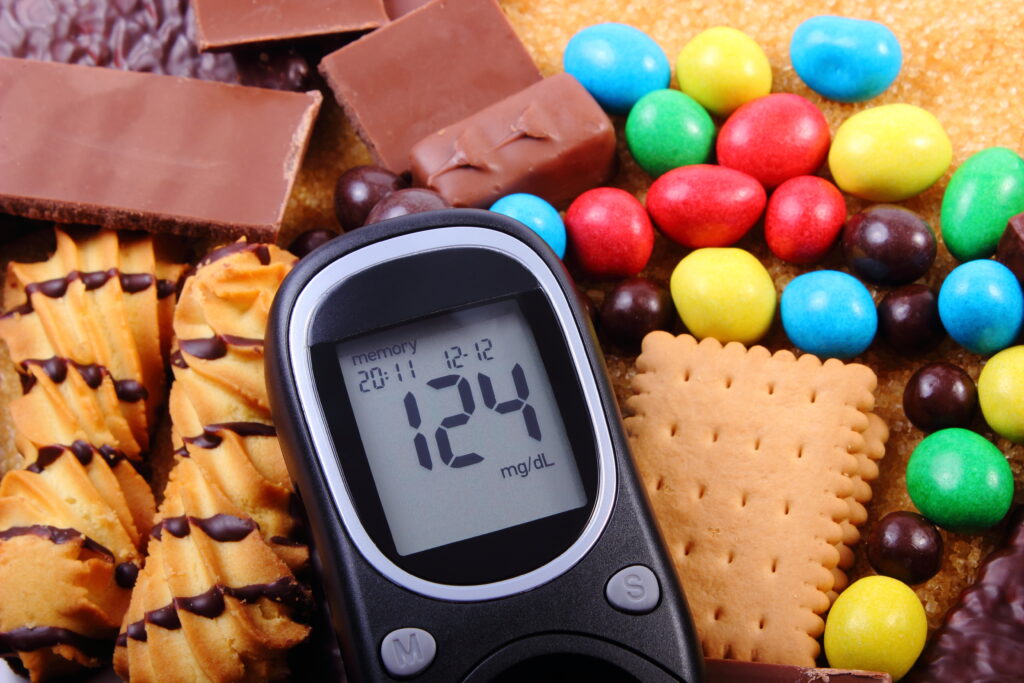
Diabetic Emergency First Aid: Step-by-Step Australian Guidelines
First Aid for Hypoglycaemia (Low Blood Sugar)
Recognising hypoglycaemia: Look for shaking, sweating, pale skin, rapid pulse, dizziness, confusion, irritability, drowsiness, difficulty concentrating, headache, or in severe cases, seizures or loss of consciousness.
If the person is conscious and can swallow safely:
- Stop any activity, reassure the person, and encourage them to rest.
- Administer 15–20g of fast-acting glucose, such as:
- 4–5 glucose tablets (approximately 4g each)
- 15g of glucose gel
- 3 teaspoons of sugar or honey
- 200mL of fruit juice or regular (not diet) soft drink
- 5–20 jellybeans (brand-dependent), 20–25 Skittles, or 5–10 Mentos
- Wait up to 15 minutes and monitor for improvement.
- If symptoms persist and the person can still swallow, repeat the treatment above.
- Once recovered, offer a snack containing longer-acting carbohydrates — such as a sandwich, a glass of milk, a piece of fruit, or a small tub of plain yoghurt. If it is mealtime, eat as usual.
If the person deteriorates, cannot swallow, has a seizure, or loses consciousness:
- Call Triple Zero (000) for an ambulance immediately.
- Place the person in the recovery position (lying on their side) and do not give anything by mouth.
- If you are trained to do so, a glucagon injection may be administered.
Note on insulin pumps: Do not attempt to operate or remove an insulin pump. If the person is able, allow them to manage it themselves. Focus your efforts on the hypoglycaemia steps above.

First Aid for Hyperglycaemia (High Blood Sugar)
Recognising hyperglycaemia: Watch for excessive thirst, frequent urination, hot or dry skin, fruity-smelling breath, blurred vision, fatigue, nausea, and in severe cases, confusion or loss of consciousness.
If the person is conscious:
- Follow their personal diabetes management plan if one is available.
- Encourage them to sip water and remain hydrated.
- Seek medical advice, particularly if their condition is worsening or they do not have a management plan in place.
- Do not administer insulin unless you are a medical professional or it is part of their prescribed management plan.
If the person becomes unresponsive or unconscious:
- Call Triple Zero (000) immediately.
- Place them in the recovery position, ensure their airway is clear, and do not give anything by mouth.
- Monitor their breathing and be prepared to commence CPR if required.
When You Are Unsure: High or Low Blood Sugar?
If you cannot determine whether a person is experiencing hypoglycaemia or hyperglycaemia, always default to treating for hypoglycaemia — that is, give sugar. Rapidly restoring blood glucose in a true hypoglycaemic episode can be life-saving, and providing a small amount of sugar to someone with high blood sugar is unlikely to cause significant harm.
Diabetes Technology and Medication: What First Aiders Should Know
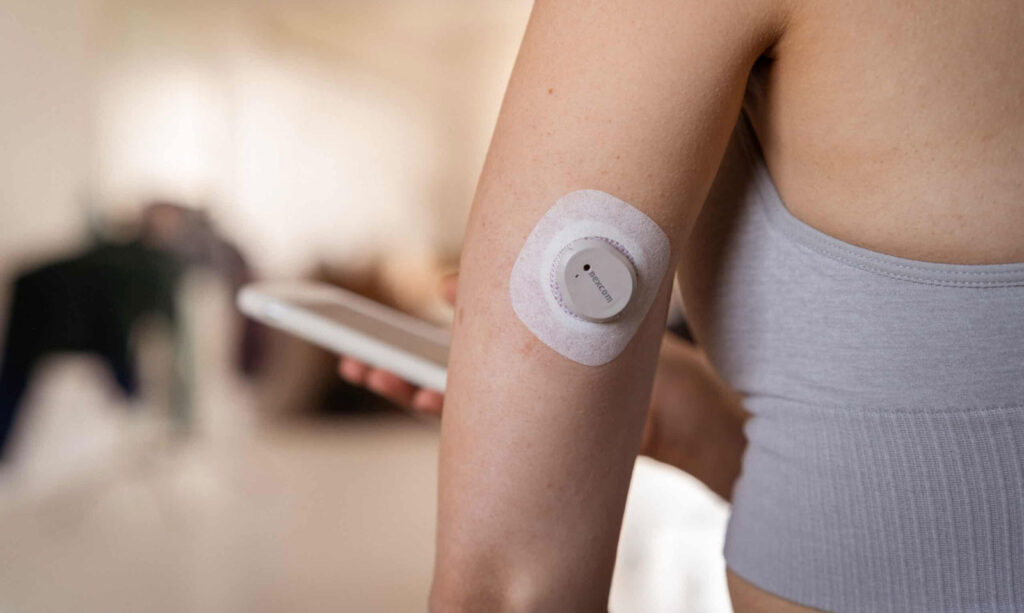
Continuous Glucose Monitoring: Dexcom G7 in Australia
The Dexcom G7 is the latest generation of continuous glucose monitoring (CGM) technology available in Australia, providing real-time blood glucose tracking for people living with type 1, type 2, and gestational diabetes from age two and above.
How it works:
The G7 features an all-in-one wearable sensor — 60% smaller than its predecessor, the Dexcom G6 — worn on the upper arm or abdomen. It continuously measures glucose levels from the interstitial fluid just beneath the skin and transmits readings wirelessly every few minutes to a compatible smartphone, smartwatch, or dedicated receiver. No routine finger-prick calibration is required.
Users receive customisable real-time alerts for both high and low glucose levels, including predictive warnings for urgent low glucose events. The G7 also integrates with insulin pumps such as the t:slim X2 and connects with a range of health apps.
Key features:
- 30-minute warm-up period following sensor application
- 10-day sensor wear, plus a 12-hour grace period for flexibility
- Fully waterproof — suitable for swimming, showering, and exercise
- Real-time data sharing with family and carers via the Dexcom Follow app
Access in Australia:
From 1 March 2025, the Australian Government began subsidising Dexcom G7 sensors through the National Diabetes Services Scheme (NDSS) for eligible people with type 1 diabetes and certain others with specific clinical needs. Adelaide residents can speak with their diabetes care team or GP to determine eligibility and access options.
Benefits:
Clinical evidence supports improved HbA1c outcomes, fewer hypoglycaemic and hyperglycaemic episodes, and more time spent within target glucose ranges compared with traditional finger-prick testing. The system is designed for straightforward self-insertion and intuitive operation, making it accessible to a wide range of users.
Semaglutide Treatment in Australia (2025)
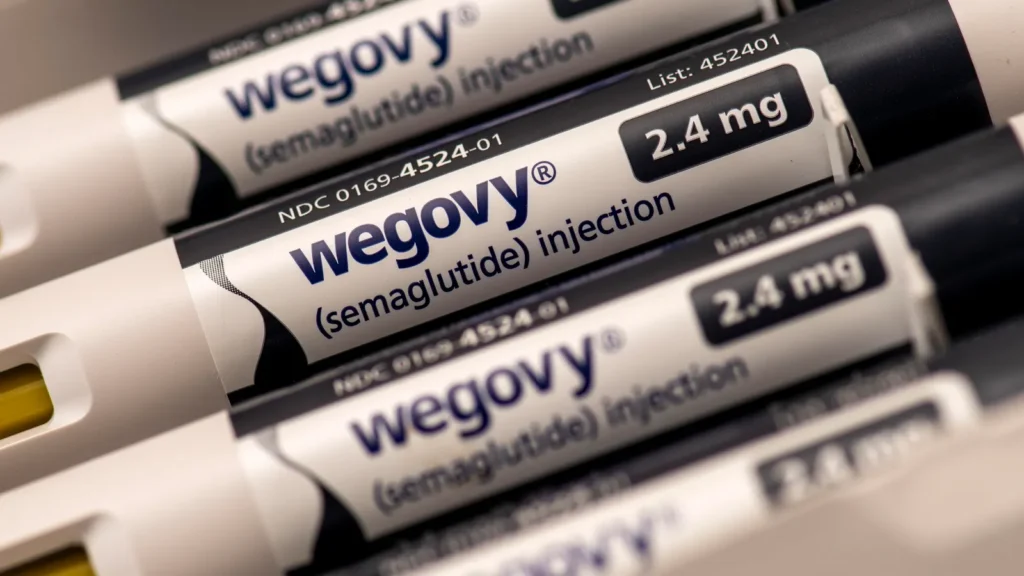
Semaglutide is a glucagon-like peptide-1 receptor agonist (GLP-1 RA) used in Australia primarily for the management of type 2 diabetes and, more recently, for chronic weight management and cardiovascular risk reduction in patients living with overweight or obesity. It is marketed under the brand names Ozempic (for type 2 diabetes) and Wegovy (for weight management and cardiovascular risk reduction).
Availability
- Ozempic (Novo Nordisk): Used for type 2 diabetes management. As of 1 June 2025, new 3mL pre-filled pens are PBS-listed, replacing the previous 1.5mL version (which will be phased out by December 2025). Recent supply disruptions have largely resolved, and the medication should be accessible through Adelaide pharmacies, though localised shortages may occasionally occur.
- Wegovy (Novo Nordisk): Approved for weight management and, since December 2024, for cardiovascular risk reduction in adults with established cardiovascular disease and a BMI of 27 or above (without diabetes). Wegovy is not currently subsidised under the PBS and involves significant out-of-pocket costs.
Both are once-weekly subcutaneous injections.
PBS Criteria and Prescribing
Ozempic is PBS-subsidised for adults with type 2 diabetes who meet specific initiation and continuation criteria. GPs must adhere closely to PBS restriction requirements. The Department of Health and Aged Care has flagged concerns about inappropriate prescribing and emphasises that Ozempic should only be PBS-prescribed for diabetes — not off-label for weight loss.
Wegovy is approved for adults and adolescents aged 12 and above with obesity (BMI ≥30, or BMI ≥27 with weight-related conditions), as well as adults with cardiovascular disease (BMI ≥27) without diabetes.
Dosage:
- Ozempic: Usual maximum dose of 1mg once weekly for diabetes management
- Wegovy: Commenced at 0.25mg weekly, with gradual dose increases every four weeks up to a maintenance dose of 2.4mg weekly
Side Effects and Safety
Common adverse effects include nausea, vomiting, diarrhoea, constipation, and abdominal discomfort — most of which tend to diminish over time — as well as fatigue and headaches.
Rare but serious risks include pancreatitis, gallbladder disease, potential thyroid tumour risk (observed in animal studies; not confirmed in humans), worsening of diabetic retinopathy, and very rarely, kidney complications or severe allergic reactions. Close monitoring during initial titration is recommended.
Preventing Diabetic Emergencies: Practical Steps for Adelaide Residents
Diabetic emergencies — whether from severe hypoglycaemia or hyperglycaemia — are potentially life-threatening but largely preventable with the right habits and preparation. The following guidance aligns with Australian health recommendations.
1. Follow Your Diabetes Care Plan
Monitor blood glucose regularly in accordance with your care team’s advice. Take all prescribed medications as directed and do not skip doses. Attend annual diabetes reviews and make use of education services available through the National Diabetes Services Scheme (NDSS) and local providers such as Diabetes SA in Adelaide.
2. Make Healthy Lifestyle Choices
Eat regular, balanced meals that align with your management plan and avoid skipping meals. Stay physically active and track how exercise affects your blood glucose. If you drink alcohol, do so in moderation and always eat alongside it — alcohol can trigger delayed hypoglycaemia. Avoid smoking, which significantly increases the risk of diabetes-related complications.
3. Be Prepared for Emergencies
Always carry fast-acting glucose — such as glucose tablets, jellybeans, or a small sugary drink (not diet varieties) — particularly if you use insulin or medications that can lower blood glucose. Assemble a diabetes emergency kit containing your medications, glucose supplies, snacks, a blood glucose meter, spare batteries, and key contacts. This is especially important during travel, or if you live or work in areas of South Australia prone to extreme weather or emergencies. Wear diabetes identification such as a medical alert bracelet or necklace.
4. Have a Personalised Emergency Plan
Develop a written diabetes management plan with your healthcare team and review it annually. Inform family members, friends, colleagues, and in Adelaide workplaces, designated first aiders about your condition and what they should do in an emergency. For children and young people, ensure that school staff and carers are trained to recognise and respond to diabetic emergencies.
5. Manage Illness and Infection Promptly
Infections can rapidly destabilise blood glucose control. Seek treatment early and follow a sick day management plan developed with your healthcare team, which will typically involve more frequent monitoring of blood glucose and ketone levels during periods of illness.
Summary: Immediate Actions in a Suspected Diabetic Emergency
Scenario | What to Do |
Low blood sugar (hypoglycaemia) | Give 15–20g of fast-acting sugar, monitor for 15 minutes, repeat if needed, follow with a carbohydrate snack; call 000 if the person becomes unresponsive |
High blood sugar (hyperglycaemia) | Follow their medical plan, encourage hydration, seek urgent medical assistance if symptoms are severe or worsening |
Person is unconscious | Call 000 immediately, place in the recovery position, give nothing by mouth |
Why should I learn first aid for health emergencies? Because rapid recognition and response can help prevent a situation such as a diabetic emergency from becoming fatal. First aid training equips you to act confidently and effectively while waiting for professional help to arrive — a skill that is particularly valuable in Adelaide’s suburban and regional communities where ambulance response times may vary.
Related Reading
- Diabetes Australia – www.diabetesaustralia.com.au
- Australian Resuscitation Council Guidelines – www.resus.org.au
- American Diabetes Association – www.diabetes.org
- NDSS – www.ndss.com.au
Frequently Asked Questions
What is the difference between hypoglycaemia and hyperglycaemia?
Hypoglycaemia refers to low blood sugar; hyperglycaemia refers to high blood sugar. Both can become medical emergencies if not managed promptly.
Can a diabetic emergency occur without warning?
Yes — particularly hypoglycaemia in people using insulin, which can develop rapidly and without obvious early signs.
Do all people with diabetes use insulin?
No. People with type 1 diabetes always require insulin. Many people with type 2 diabetes manage their condition through lifestyle changes and oral medication alone, though some may also require insulin as the condition progresses.
What is diabetic ketoacidosis (DKA)?
DKA is a serious and potentially life-threatening complication of severe hyperglycaemia, most commonly occurring in people with type 1 diabetes. It requires urgent hospital treatment.