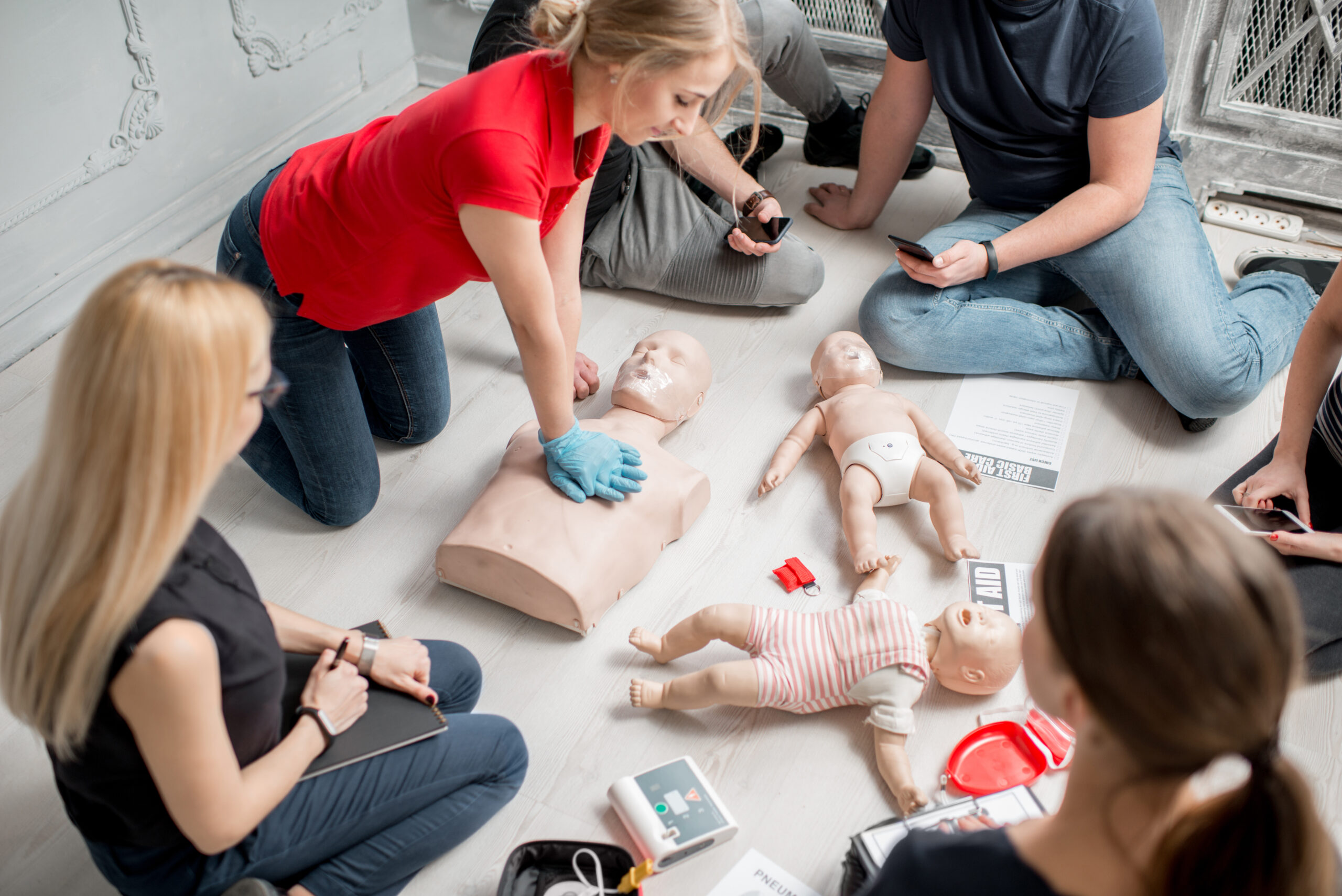
A burn injury occurs when skin or underlying tissue is damaged by heat, chemicals, electricity, friction or radiation. This guide walks you through how to treat burns and scalds correctly, covering first aid steps, the cool running water method, what to keep in your first aid kit, and when emergency medical care is needed. For hands-on practical training, consider enrolling in a nationally recognised first aid course with First Aid Pro Adelaide today.
Key Takeaways
- Burns and scalds range widely in severity — knowing how to classify and respond to them correctly matters enormously.
- The core first aid sequence is universal: stop the burning process, cool the burn under running water for a minimum of 20 minutes, cover the area appropriately, and seek medical help where required.
- Never apply ice, butter, toothpaste or creams to a burn — these can worsen damage and slow healing.
- A properly stocked first aid kit is a must-have in every home and workplace.
- When in doubt, treat any serious burn as an emergency — call Triple Zero (000) without hesitation.
Burn Severity — Understanding the Different Types
What Burn Degrees Actually Mean
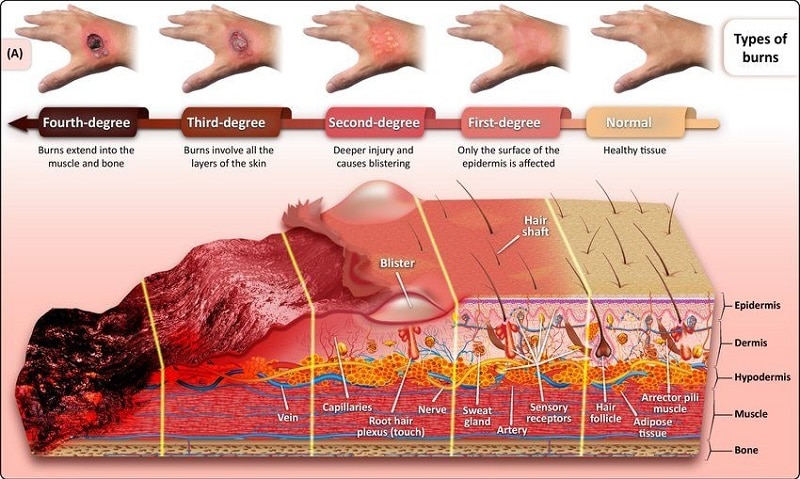
Burns are classified according to how deeply the skin and tissue beneath it have been damaged.
First-degree burns affect only the outermost layer of skin (the epidermis). The skin appears red, feels tender and warm to touch, and no blisters will be present. Common causes include brief contact with hot surfaces, minor scalds and sunburn. With appropriate care, these burns typically heal within a few days to one week and rarely leave scarring.
Second-degree burns — also referred to as partial thickness burns — penetrate into the second layer of skin. Blistering is common, the affected area is extremely painful, and the skin may appear mottled, pale or moist. These burns require careful first aid and often medical review to prevent infection and long-term scarring. Healing generally takes between one and three weeks.
Third-degree burns — known as full thickness burns — are the most serious. They destroy all layers of skin and may extend into underlying fat, muscle or bone. The skin can appear white, brown, black or leathery, and the person may experience little or no pain in the area because nerve endings have been destroyed. Third-degree burns must be treated as a medical emergency without delay.
How To Treat Burns — Step-by-Step First Aid
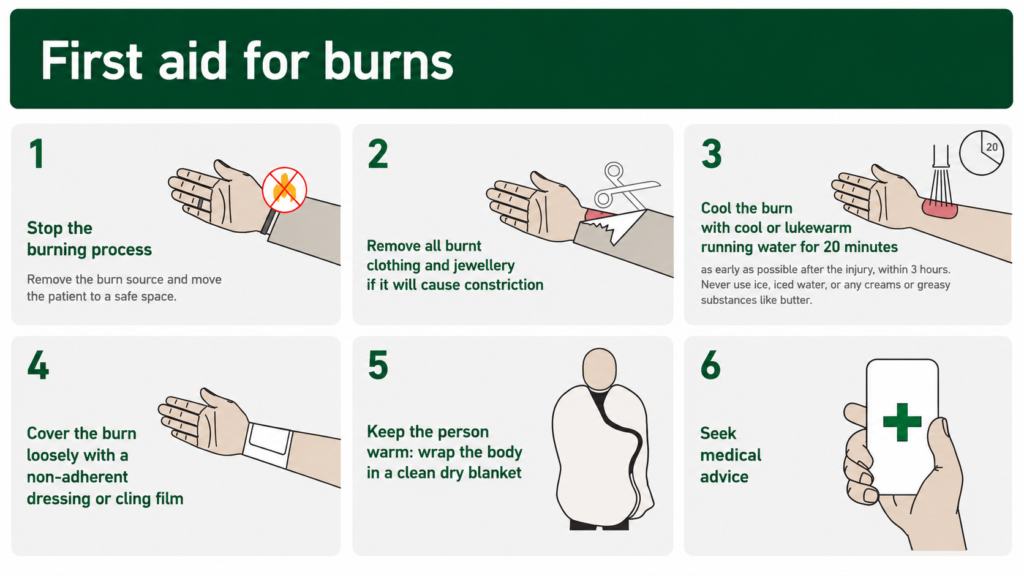
Step 1 — Remove the Person From Danger
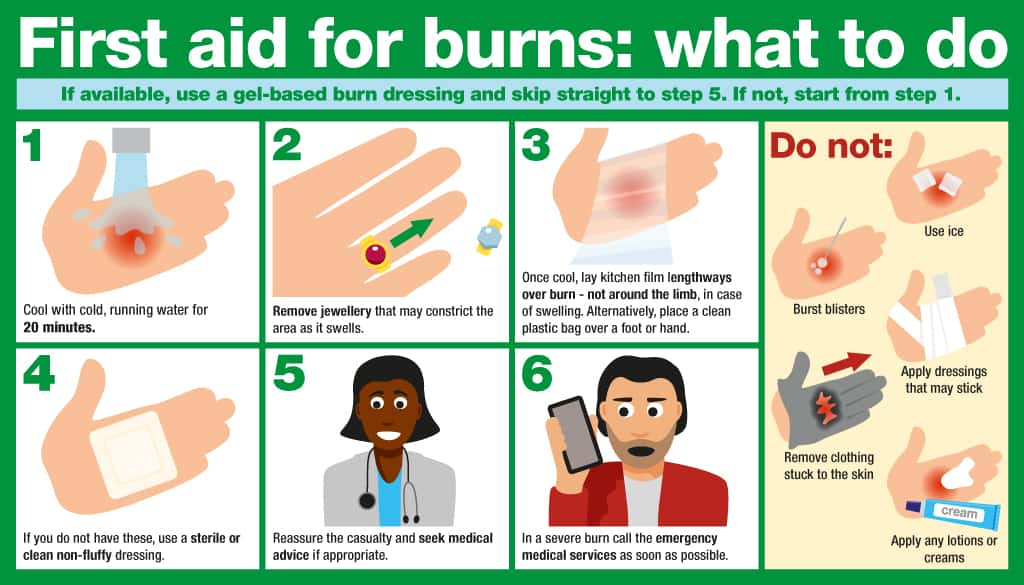
Your first priority is safety — for yourself, bystanders and the injured person. Remove them from the source of the burn where it is safe to do so. This may mean turning off the stove, extinguishing flames, switching off an electrical source or moving the person away from a chemical spill. As per ANZCOR guidelines, an ambulance should be called immediately if the burn is significant or if there is any doubt about its severity.
Step 2 — Cool the Burn With Running Water
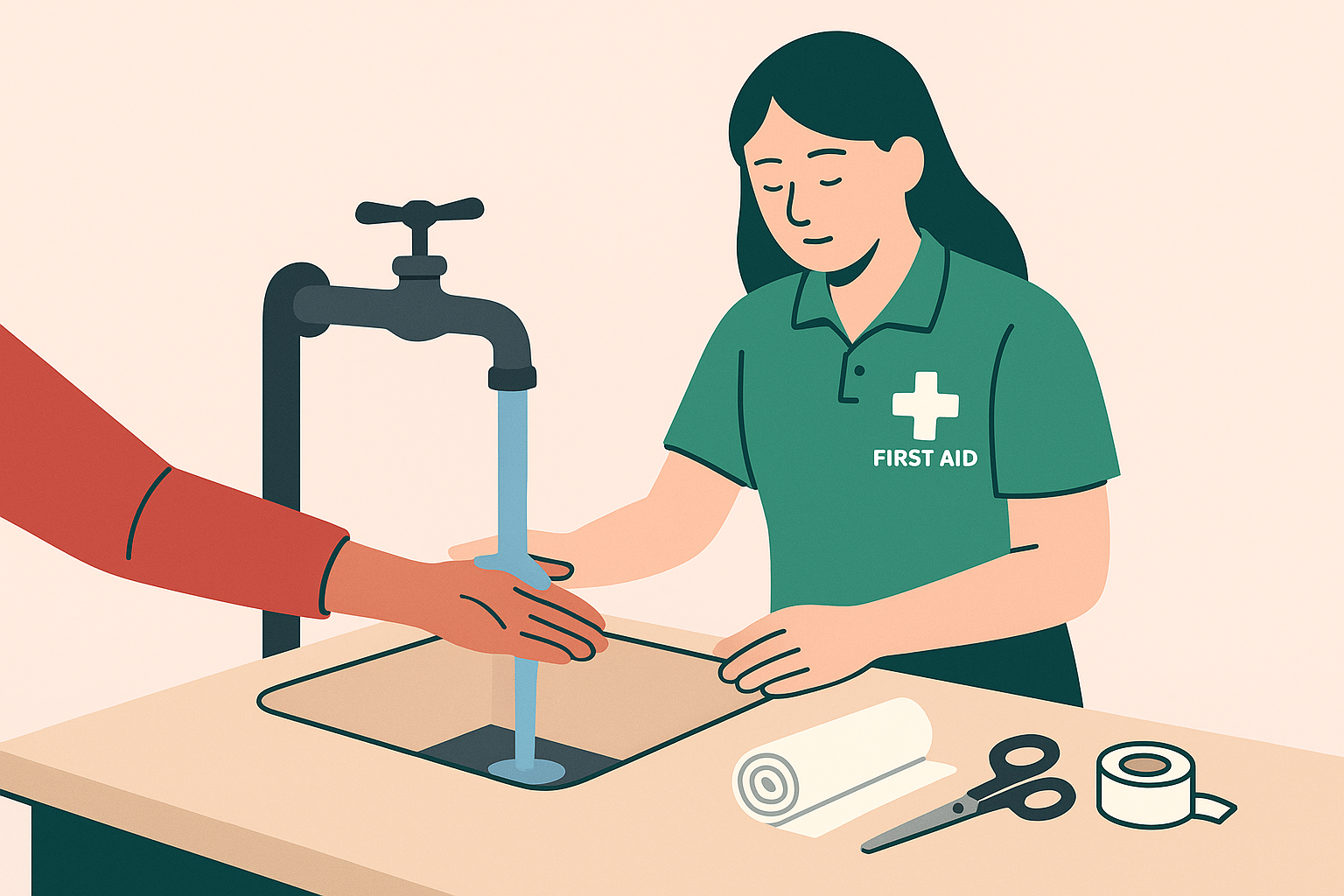
For thermal burns and scalds, cooling the burn is the single most important first aid step. Run cool water — not ice or ice-cold water — over the affected area for at least 20 minutes.
Key points to keep in mind:
- Start cooling as soon as possible. ANZCOR advises that cooling remains beneficial if commenced within three hours of the burn occurring.
- Use a gentle flow of clean, cool water directly over the burned area.
- Do not use ice, ice packs or very cold water, as these can cause additional tissue damage.
- Carefully remove jewellery, watches or tight items near the burn if they are not adhered to the skin. Clothing soaked in hot liquid should also be removed unless it is stuck to the wound.
Step 3 — Cover the Burned Area
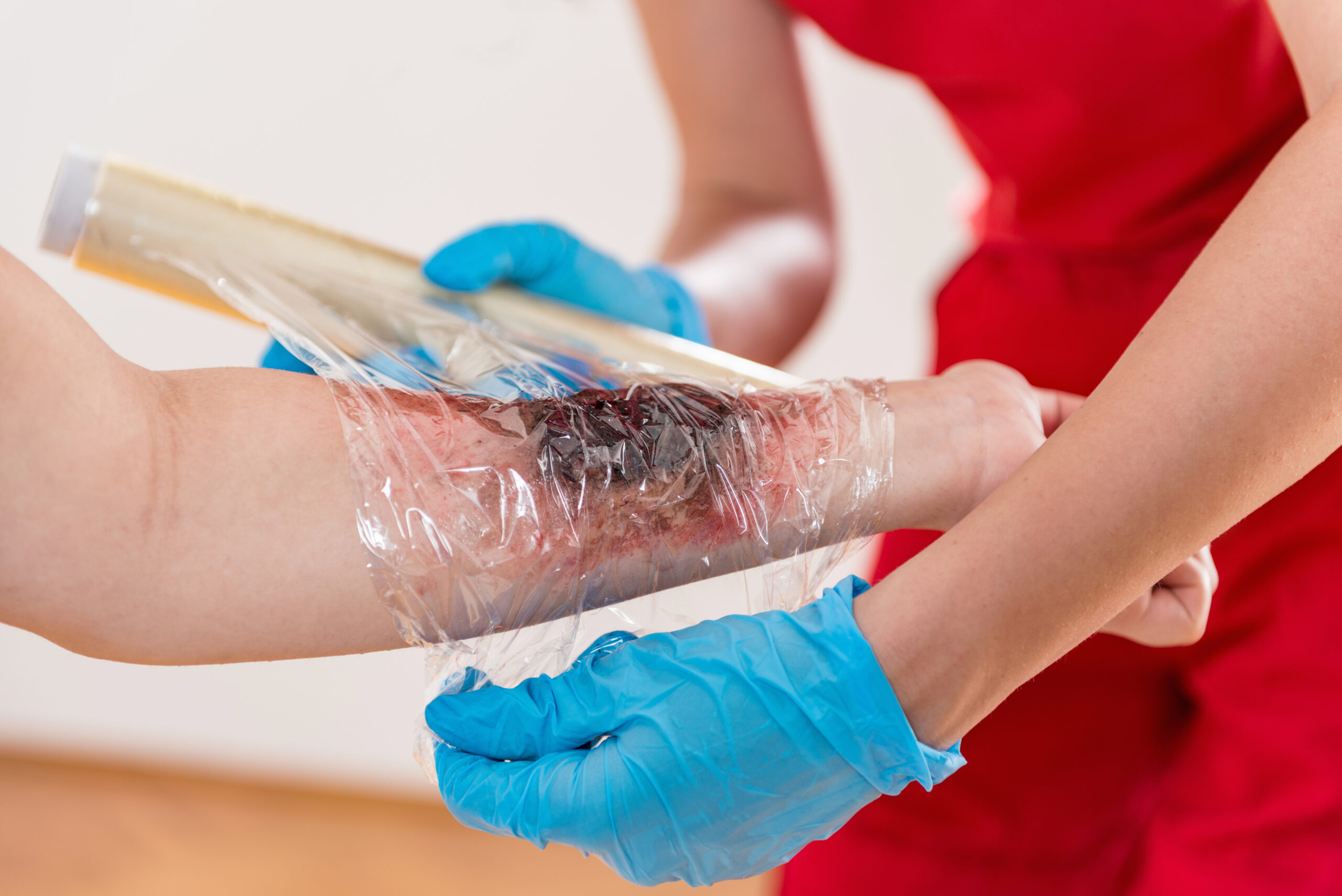
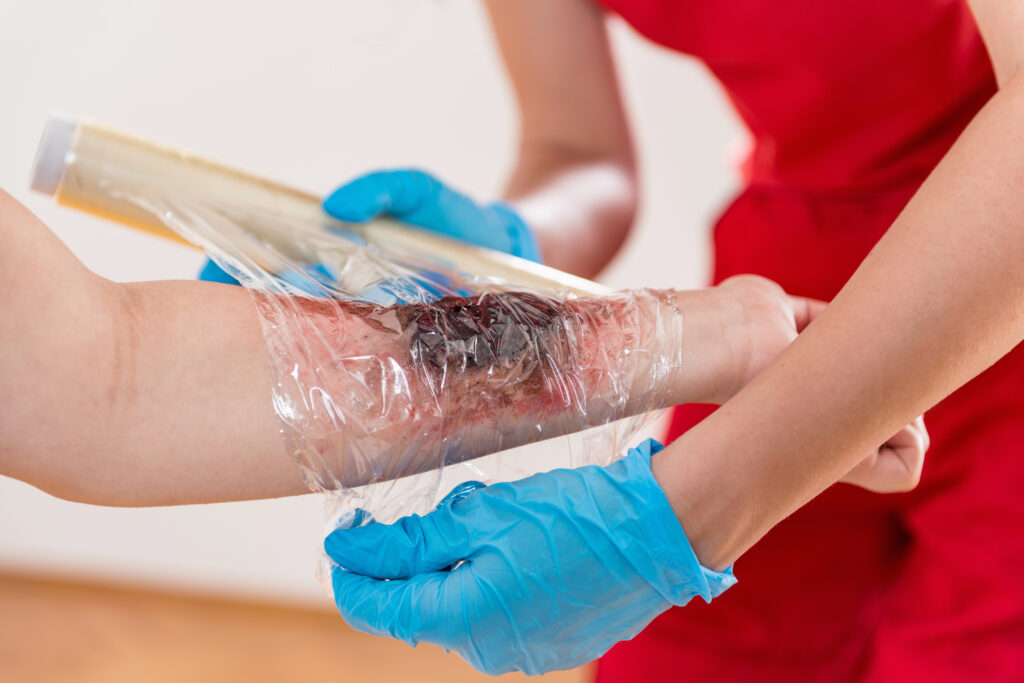
Once the burn has been cooled for the full 20 minutes, cover it loosely with a sterile non-stick dressing or clean plastic cling film laid lengthways over the limb (not wrapped around it). This protects the wound, reduces pain and minimises the risk of infection.
Do not apply butter, ointments, lotions, toothpaste or any home remedy to the burn. These substances can trap heat and introduce bacteria into the wound.
Step 4 — Manage Pain and Prevent Shock
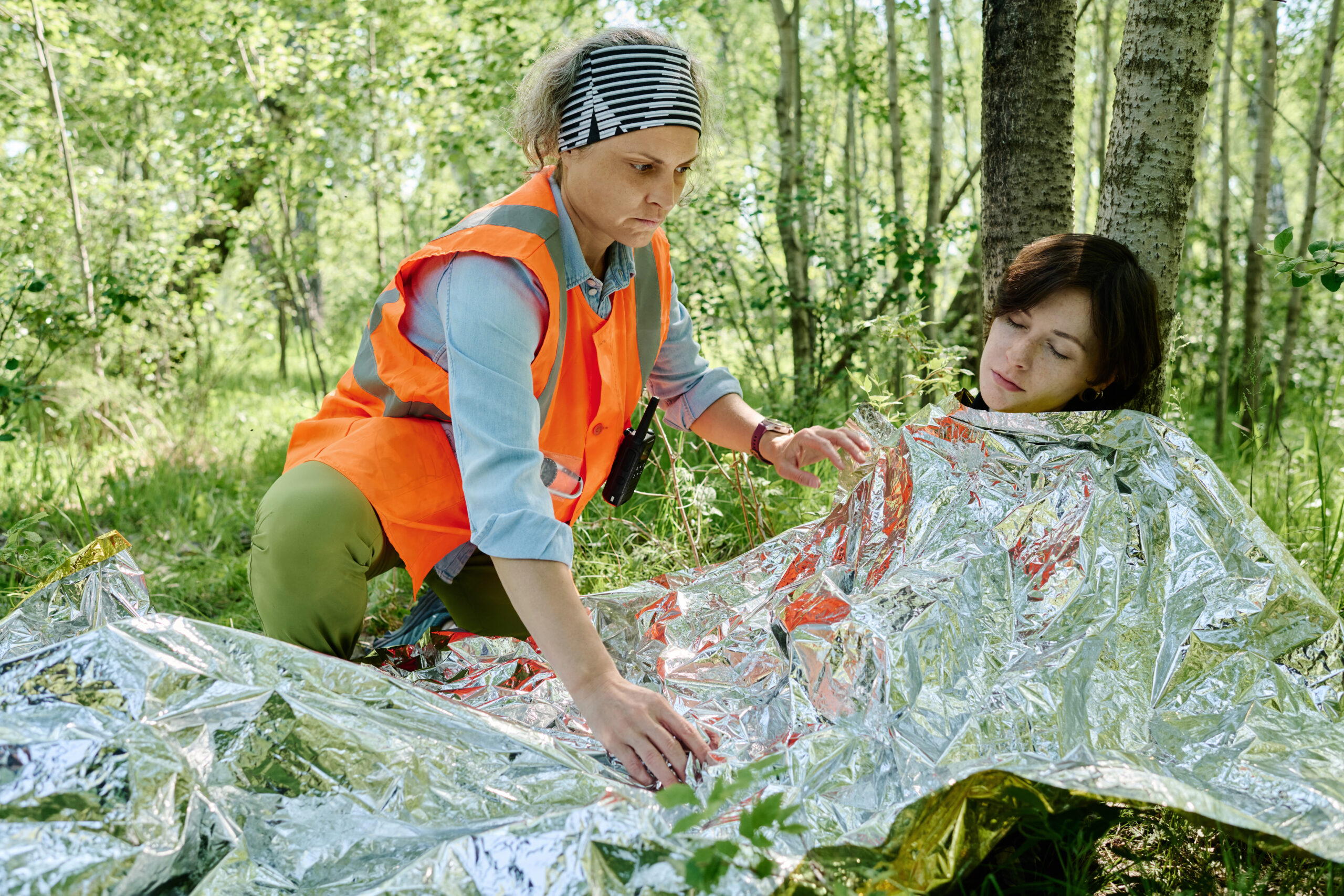
Where possible, elevate the burned limb to help reduce swelling. Over-the-counter pain relief such as paracetamol or ibuprofen may be given, provided there are no contraindications. Be mindful that significant burns can cause fluid loss and place the person at risk of shock — keep unburned areas of the body warm with a blanket or clothing while first aid is being administered.
Step 5 — Know When To Call for Help
Seek emergency medical attention immediately if the burn:
- Is larger than a 20-cent coin in an adult, or any significant size in a child or elderly person
- Involves the face, hands, feet, genitals or major joints
- Was caused by chemicals, electricity or involves suspected smoke or chemical inhalation
- Appears deep, charred, white or leathery (indicating full thickness damage)
- Is accompanied by difficulty breathing or other injuries
- If any of these apply, call Triple Zero (000) and request an ambulance. Do not delay.
What To Keep in Your Burns First Aid Kit
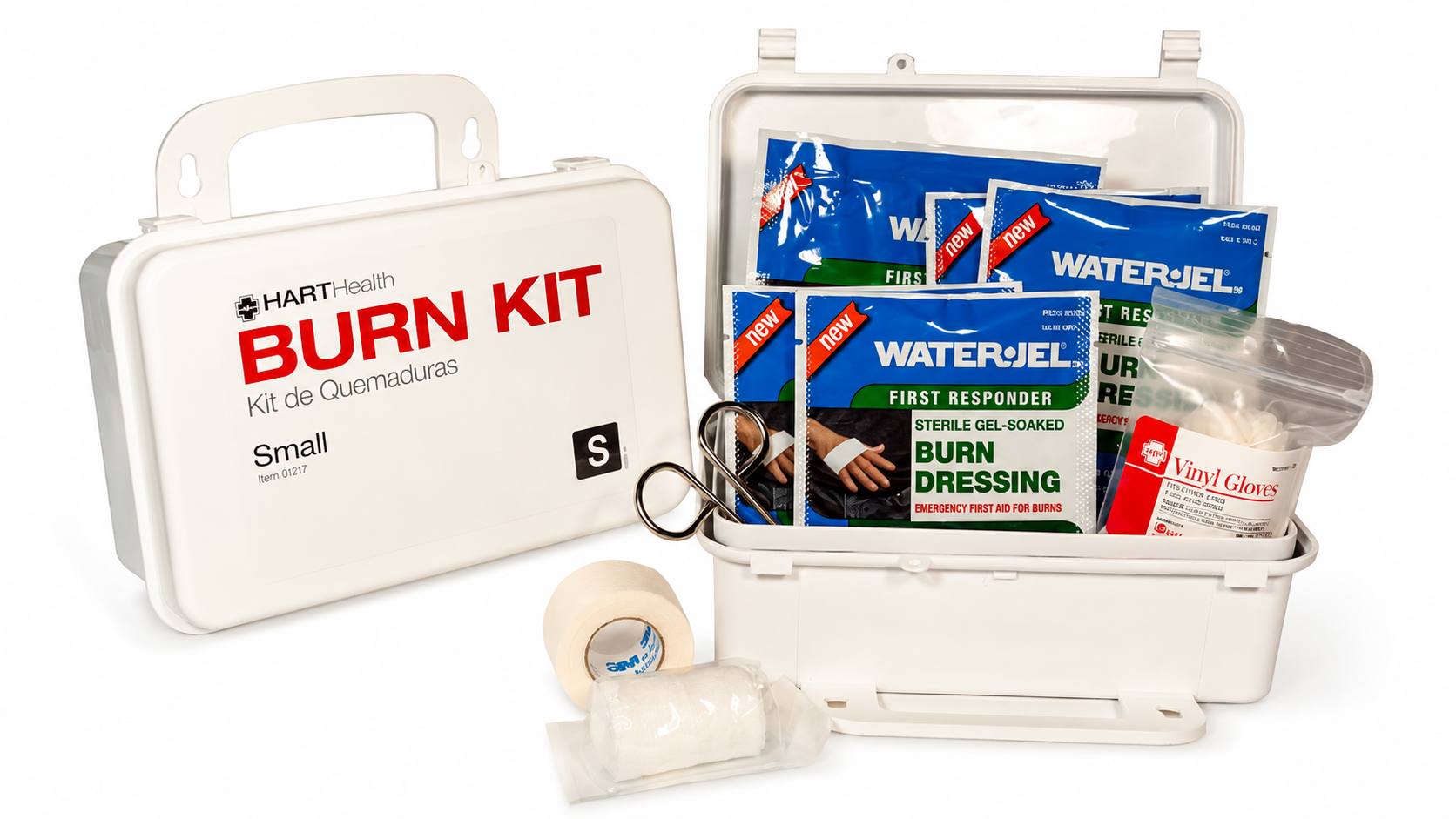
Being prepared means having the right supplies within reach when a burn occurs. The following items are essential:
- Sterile non-stick dressings or dedicated burn dressings — to cover and protect the wound after cooling
- Clean plastic cling film — a temporary cover option when purpose-made dressings are unavailable
- Access to cool running water — the most critical element of burn first aid
- Clean scissors and tweezers — to remove jewellery or non-adhered clothing near the burn
- Disposable gloves — to maintain hygiene and reduce infection risk when treating another person
- Pain relief medication (paracetamol or ibuprofen) — to provide comfort while awaiting further care
- Emergency contact details — including the number for your nearest burn unit and Triple Zero (000)
Maintaining a dedicated burns section in your home or workplace first aid kit ensures you are ready to respond effectively. First Aid Pro Adelaide offers nationally recognised training to help you and your team use these supplies with confidence.
Mistakes People Commonly Make When Treating Burns
Using Ice or Ice Water
Applying ice or ice water directly to a burn can worsen tissue damage and slow the healing process.
Applying Home Remedies
Avoid using butter, oil, toothpaste, ointments or other home remedies on burned skin.
Bursting Blisters
Deliberately opening blisters increases the risk of infection by creating an entry point for bacteria.
Pulling Off Stuck Clothing
Never pull away clothing that has adhered to burned skin, as this may cause additional injury.
Wrapping Too Tightly
Tight bandaging can restrict circulation, increase swelling and worsen the burn injury.
Remember the Basics
Stop the burning process, cool the burn with running water for at least 20 minutes, cover the area loosely with a clean non-stick dressing or cling film, and seek appropriate medical care when needed.
When Is a Burn a Medical Emergency?
Call 000 or Seek Emergency Care Immediately If:
Full Thickness Burns
The skin appears charred, white, brown or leathery, indicating deep tissue damage.
Burns to Critical Areas
The burn affects the face, hands, feet, genitals or a major joint.
Electrical or Inhalation Burns
An electrical injury or smoke and chemical vapour inhalation is suspected.
Large Surface Area Burns
The burn covers more than 10–20% of an adult’s body surface area, or a smaller proportion in children or elderly people.
Signs of Shock
Pale or clammy skin, rapid breathing, confusion or collapse may indicate shock.
Signs of Infection
Worsening redness, pus, swelling or fever following initial treatment requires urgent medical review.
Why Immediate Medical Attention Matters
Prompt medical treatment can significantly reduce the risk of infection, fluid loss, severe scarring and long-term tissue damage. Serious burns should never be managed at home without professional medical assessment.
Preventing Burns Before They Happen
At Home
Keep hot drinks and boiling water out of children's reach at all times.
Turn pot handles inward on the stove and keep hot liquids away from table edges.
Check bath water temperature before bathing children and set your hot water thermostat below 50°C.
Use appropriate protective equipment around ovens, irons and open flames.
Install working smoke detectors throughout the home and keep a fire extinguisher accessible.
In the Workplace
Provide staff with suitable personal protective equipment when working with hot liquids, chemicals or ignition sources.
Deliver regular burns first aid training and ensure all staff understand emergency procedures.
Keep first aid kits stocked with burns-specific supplies and display emergency contact information prominently.
Conduct routine risk assessments covering thermal, chemical and electrical burn hazards.
Burn Prevention Saves Lives
Most burns are preventable through awareness, safe practices, protective equipment and proper first aid preparation. Small safety measures at home and work can significantly reduce the risk of serious burn injuries.
Workplaces that invest in practical first aid training consistently see reduced injury severity and better outcomes. Contact First Aid Pro Adelaide to organise nationally recognised certification for your team.
Be Ready to Respond to Burns With Confidence
Knowing how to treat a burn correctly can be the difference between a straightforward recovery and a serious, life-altering emergency. Whether you are at home, at work or out in the community, the principles are clear: stop the burning process, cool the burn under running water for at least 20 minutes, cover the wound with a clean dressing, and call for help when it is needed.
Avoiding common mistakes, keeping a well-stocked first aid kit on hand and investing in accredited training puts you in the best possible position to help when it matters most.
To develop your skills with hands-on practice and earn nationally recognised certification, enrol in a first aid course with First Aid Pro Adelaide. You will gain the knowledge and confidence to manage burns — and many other emergency situations — effectively and calmly.
Related Reading
- Australian and New Zealand Committee on Resuscitation (ANZCOR) Guideline 9.1.3 – First Aid for Burns.
- Healthdirect Australia: Burns and Scalds – First Aid, Treatments, Causes.
- Better Health Channel Victoria: Burns and Scalds — immediate first aid and classification.
- RACGP: Thermal Burns — Assessment and Acute Management in General Practice. (racgp.org.au)
Frequently Asked Questions
How long should I cool a burn with running water?
Cool the burn with running water for a minimum of 20 minutes, starting as soon as possible after the injury. Cooling can still be effective if begun within three hours of the burn.
Can I use ice on a burn?
No. Ice and very cold water can restrict circulation and cause further tissue damage. Always use cool — not cold — running water.
What should I do if blisters develop?
Do not pop or break the blisters. Cover the area with a sterile non-stick dressing and monitor for signs of infection. Seek medical advice if the blister is large, deep or located on a sensitive area such as the face or hands.
What should my burns first aid kit contain?
At a minimum: sterile non-stick dressings, clean cling film, disposable gloves, scissors, pain relief medication and access to cool running water. Burns-specific dressings are also recommended.
When do I need to see a doctor about a burn?
Seek medical attention if the burn is larger than a 20-cent coin, deep or full thickness, located on the face, hands, feet, genitals or a major joint, or caused by chemicals, electricity or inhalation. Also seek help if signs of infection develop.